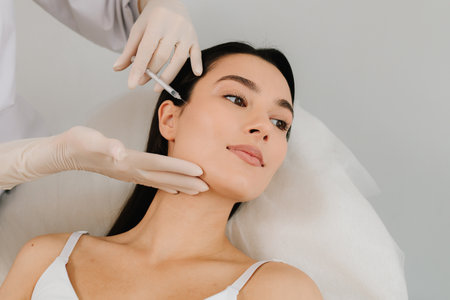
Introduction to Acne and Scar Treatments in the UK
Acne and scarring are prevalent dermatological issues affecting millions across the United Kingdom, with particular significance among adolescents and young adults but extending well into adulthood for many. These conditions go beyond mere cosmetic concerns; they often carry profound psychological and social implications, impacting self-esteem, mental health, and day-to-day interactions. In the UK context, where skin health is increasingly prioritised within both public healthcare discussions and private wellness trends, addressing acne and its resulting scars has become a matter of societal relevance. The visibility of these conditions can influence educational experiences, employment opportunities, and overall quality of life. With the NHS providing broad-based healthcare services and a growing number of private clinics offering specialised dermatological care, understanding how these sectors contribute to the management and treatment of acne and scarring is crucial. The interplay between public provision and private innovation shapes not only individual outcomes but also broader perceptions of skin health across British society.
2. Understanding the NHS Approach
The National Health Service (NHS) remains a cornerstone of healthcare provision across the UK, offering accessible treatment for a wide range of conditions, including acne and scarring. The NHS operates on the principle of universal care, prioritising cases based on clinical need rather than ability to pay. When it comes to acne and scar treatments, the NHS follows a structured approach rooted in evidence-based medicine and resource allocation.
Referral Processes within the NHS
Most patients begin their journey with a visit to their General Practitioner (GP). GPs serve as gatekeepers in the NHS system and provide initial assessments and first-line treatments. If over-the-counter or primary care interventions prove insufficient, the GP may refer patients to dermatology specialists. This referral typically depends on factors such as severity, psychological impact, and failure to respond to standard therapies.
| Stage | Who Provides Care | Common Interventions |
|---|---|---|
| Initial Consultation | GP | Topical treatments, oral antibiotics, advice on skincare routines |
| Specialist Referral | Dermatologist (via hospital clinic) | Oral retinoids (e.g., isotretinoin), advanced topical agents, consideration of scarring treatments |
| Follow-up & Management | Shared between GP & Specialist | Monitoring, mental health support if needed, further interventions for persistent issues |
Typical Treatment Pathways
The NHS treatment pathway for acne usually starts with less invasive options and escalates as necessary:
- Topical Therapies: Creams or gels containing benzoyl peroxide or retinoids prescribed by the GP.
- Oral Medications: Antibiotics or hormonal treatments for moderate cases.
- Specialist Treatments: Severe or resistant cases may be referred for oral isotretinoin or other specialist interventions.
- Treatment for Scarring: Scar management is limited; some hospitals offer procedures like dermabrasion or laser therapy, but these are not universally available and are subject to strict eligibility criteria.
NHS Limitations in Acne and Scar Treatment
The NHS faces several challenges in meeting all patient needs related to acne and scarring. Resource constraints mean cosmetic concerns are often deprioritised. Waiting times for specialist appointments can be lengthy. Advanced scar treatments—such as certain types of laser therapy or microneedling—are rarely funded unless there is significant psychological distress or functional impairment. Additionally, access can vary regionally due to local commissioning policies.
NHS vs Private Clinics: Service Comparison
| Treatment Aspect | NHS | Private Clinics |
|---|---|---|
| Access Speed | Longer waiting times; prioritised by need | Shorter waiting times; patient chooses timing |
| Treatment Range | Mainly medical management; limited cosmetic options | Wider range including advanced cosmetic procedures |
| Cost to Patient | No charge for eligible treatments | Paid directly by patient; varies widely by procedure |
| Eligibility Criteria | Strict criteria for referrals and advanced treatments | No referral required; eligibility set by provider policy |
| Mental Health Support | Available if needed through NHS services | May offer support but varies by clinic |
This structured yet resource-limited approach defines how the NHS addresses acne and scar treatments across the UK, highlighting both its strengths in equitable access and its challenges in delivering comprehensive aesthetic care.
3. The Private Clinic Landscape
Private clinics play a significant and growing role in the provision of acne and scar treatments across the UK. Unlike NHS services, which are often governed by strict clinical guidelines and limited resources, private clinics operate on a more flexible basis, responding directly to patient demand. These clinics are typically found in most cities and large towns, ranging from specialist dermatology practices to multi-disciplinary aesthetic centres.
The scope of treatments available at private clinics is notably broad. Patients can access advanced therapies such as laser resurfacing, chemical peels, microneedling, dermal fillers, and bespoke skincare regimens that may not be routinely offered on the NHS. Many clinics also provide consultant-led assessments, ensuring patients receive tailored advice based on the latest medical evidence and technology.
The appeal of private healthcare for acne and scar management lies primarily in the speed and customisation of service. Waiting times for consultations and procedures are generally much shorter than those experienced through the NHS. Furthermore, private clinics can offer a more personalised approach—patients have greater choice over appointment times, practitioner selection, and treatment plans. This flexibility is particularly valued by individuals whose conditions impact their self-confidence or professional life, and who are seeking rapid or discreet solutions.
While private care comes at a cost—often with substantial fees for consultations and ongoing treatment—it remains an attractive option for many UK residents who value privacy, convenience, and access to cutting-edge interventions. As public awareness of skin health grows, the private sector continues to adapt with innovative services designed to meet diverse patient expectations.
4. Access and Affordability
When considering acne and scar treatments across the UK, one of the most critical factors for patients is access and affordability. This section offers a comparative analysis of waiting times, costs, and overall accessibility between NHS services and private clinics.
Waiting Times
Access to dermatology services via the NHS can involve significant waiting periods, especially for non-urgent skin concerns like mild to moderate acne or scarring. In contrast, private clinics generally offer faster appointments, sometimes within days. Below is a comparison:
| NHS | Private Clinics | |
|---|---|---|
| Initial Consultation Wait Time | Up to 18 weeks (varies by region) | 1–7 days |
| Treatment Commencement | After consultation; may face further delays depending on service demand | Immediate or as scheduled by patient preference |
Treatment Costs
The NHS provides acne and scar treatments free at the point of use for eligible patients, though options may be limited based on clinical necessity and local guidelines. Private clinics, however, charge for consultations and procedures. Here’s an overview:
| NHS | Private Clinics | |
|---|---|---|
| Consultation Fee | Free (with GP referral) | £100–£250+ |
| Prescription Costs | Standard NHS prescription charge (£9.65 per item in England; free in Scotland, Wales, NI) | Varies; often included in consultation or additional charge |
| Procedural Treatments (e.g., laser, microneedling) | Rarely available unless severe/medically necessary; usually not funded for cosmetic reasons | £150–£500+ per session depending on treatment type and clinic location |
Geographical Accessibility and Inclusivity
NHS dermatology services are widely distributed across the UK but may be concentrated in larger hospitals or urban centres, creating challenges for those in rural areas. Private clinics tend to cluster in major cities like London, Manchester, or Edinburgh, sometimes limiting access for those outside metropolitan areas.
Summary of Key Differences:
- NHS: Free or low-cost; longer waits; limited advanced cosmetic treatments; more inclusive but less flexible scheduling.
- Private Clinics: Faster access; higher out-of-pocket costs; wider choice of modern treatments; urban-centric availability.
Conclusion on Access and Affordability:
The decision between NHS and private sector care for acne and scar treatment often comes down to individual priorities: affordability and universality versus speed, choice, and convenience. Understanding these differences can empower patients to make informed decisions best suited to their needs and circumstances.
5. Quality of Care and Patient Experience
When it comes to acne and scar treatments in the UK, the quality of care and overall patient experience can differ considerably between NHS and private clinics. Understanding these differences is crucial for patients making informed decisions about their treatment pathways.
Patient Outcomes
The NHS offers evidence-based treatments that adhere strictly to clinical guidelines, ensuring consistency and safety across the board. However, due to high demand and limited resources, patients may experience longer waiting times and less frequent follow-up appointments. This can sometimes impact outcomes, especially for cases requiring ongoing or intensive management. Private clinics, on the other hand, often provide swifter access to dermatologists, allowing for earlier intervention and more rapid adjustments to treatment plans. This flexibility can contribute to improved outcomes for those who need timely care or advanced therapies not readily available through the NHS.
Personalisation of Treatment
Personalisation is a key differentiator between NHS and private services. In NHS settings, treatment protocols are largely standardised due to resource allocation and the necessity to treat large numbers efficiently. While this guarantees a minimum standard of care, it may limit the ability to tailor interventions closely to individual skin types or lifestyle needs. Private clinics typically offer a more bespoke approach, with practitioners able to spend more time with each patient, perform in-depth skin analyses, and design comprehensive regimens that might include emerging therapies or specialist procedures. For many UK patients seeking a highly tailored experience—especially those with complex scarring—this level of personalisation is a significant draw.
Satisfaction Rates
UK patient satisfaction surveys reveal an interesting landscape: many appreciate the accessibility and cost-effectiveness of NHS services but express frustration with delays and perceived lack of continuity in care. Private clinics often score higher on satisfaction metrics related to communication, choice of treatments, appointment flexibility, and follow-up support. However, the out-of-pocket costs remain a barrier for some. It’s also worth noting that expectations in private settings are generally higher; as such, even minor shortcomings may result in greater dissatisfaction compared to NHS experiences.
UK-Specific Considerations
The British approach to healthcare places great value on equity and universal access—a principle at the heart of the NHS. Yet as public awareness grows around advanced dermatological options, particularly for cosmetic concerns like acne scarring, private clinics are increasingly viewed as complementary rather than purely alternative routes. Ultimately, patient experience across both sectors is shaped by individual needs, expectations, and willingness (or ability) to invest in additional care. For UK residents navigating these choices, understanding the strengths and limitations of each system is essential for achieving satisfactory outcomes in acne and scar treatment.
6. Future Trends in Dermatology Care
The landscape of acne and scar treatment in the UK is evolving rapidly, shaped by technological innovation and new models of healthcare delivery. Both NHS services and private clinics are adapting to these shifts, ensuring that patients receive more efficient, accessible, and personalised dermatological care.
Emerging Technologies in Acne and Scar Treatment
One of the most significant trends is the adoption of advanced technologies such as laser therapy, microneedling devices, and photodynamic treatments. Private clinics often lead in offering these cutting-edge solutions, providing tailored regimens for individuals with complex skin concerns. Meanwhile, the NHS continues to evaluate cost-effectiveness and scalability, seeking ways to integrate proven innovations into broader public health protocols.
The Rise of Teledermatology
Teledermatology has gained considerable traction across the UK, especially following the challenges posed by the COVID-19 pandemic. Through secure digital platforms, both NHS dermatologists and private consultants can assess skin conditions remotely. This approach reduces waiting times, improves triage efficiency, and expands access for rural or underserved populations. While remote consultations may not replace all face-to-face assessments—particularly for intricate procedures—they represent a key development in early diagnosis and ongoing management of acne and scarring.
Evolving Public-Private Collaboration
Collaboration between the NHS and private sector is expected to deepen as patient demand grows and resources are stretched. Shared care pathways are already emerging in some regions, allowing patients to transition between public and private services based on clinical need and personal circumstances. These partnerships could streamline referral processes, foster knowledge exchange on best practices, and improve outcomes for those struggling with persistent skin issues.
Looking Ahead: Personalised and Preventative Care
As genomic testing and artificial intelligence become more sophisticated, both sectors are exploring how personalised medicine might transform acne and scar management. Predictive analytics may soon help clinicians tailor treatments according to individual risk profiles or genetic predispositions. Furthermore, a greater emphasis on prevention—through public education campaigns supported by both NHS trusts and private providers—could lessen the long-term impact of acne scarring nationwide.
Conclusion
The future of dermatology care in the UK will hinge on balancing innovation with accessibility. By embracing new technologies, expanding telehealth services, and fostering robust collaboration between public and private providers, there is strong potential to enhance both the quality and equity of acne and scar treatment across the country.