1. Understanding PRP and Mesotherapy: The Basics
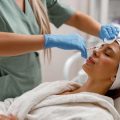
In recent years, British men have shown a growing interest in advanced aesthetic treatments like PRP (Platelet-Rich Plasma) and mesotherapy, seeking effective solutions for hair loss, skin rejuvenation, and overall appearance. But what exactly are these treatments, and why are they gaining popularity across the UK? PRP therapy harnesses the natural healing power of your own blood by extracting platelets, which are then injected into targeted areas to stimulate tissue regeneration and promote growth. Mesotherapy, on the other hand, involves micro-injections of vitamins, enzymes, hormones, and plant extracts to revitalise and tighten skin or encourage hair growth. Both methods are minimally invasive alternatives to surgery, appealing to men who desire noticeable results without lengthy downtime. The surge in interest reflects a shift in attitudes: British men now feel more empowered to invest in their confidence and wellbeing, embracing treatments that offer subtle yet transformative changes while fitting seamlessly into their busy lifestyles.
2. Safety First: Assessing the Risks in a British Healthcare Context
When considering PRP (Platelet-Rich Plasma) and Mesotherapy, safety is always paramount—especially for British men who value reliable, transparent healthcare. The UK’s medical standards are among the highest in the world, with strict guidelines set by the NHS and professional bodies such as the General Medical Council (GMC). Before embarking on these treatments, it’s essential to understand how safety is managed here, what protocols clinics must follow, and what you should expect from your practitioner.
The UK Approach to Safety
British clinics offering PRP and Mesotherapy must adhere to rigorous regulatory standards. Treatments should only be administered by qualified medical professionals—typically GMC-registered doctors or nurses with specific training in aesthetics. The Care Quality Commission (CQC) also regularly inspects facilities to ensure they meet hygiene and patient safety requirements.
Best Practices Recommended by UK Authorities
| Treatment Stage | UK Best Practice | NHS/Medical Guidance |
|---|---|---|
| Consultation | Thorough medical assessment; discuss expectations and risks | NHS recommends full disclosure of medical history and allergies |
| Treatment Delivery | Sterile technique; single-use needles and equipment | GMC insists on high infection control standards |
| Aftercare & Follow-up | Clear aftercare instructions; easy access to support if needed | CQC advises prompt reporting and management of side effects |
Your Responsibilities as a Patient
While professionals are held to high standards, your own vigilance matters too. Always verify your practitioner’s credentials via the GMC register or NMC register for nurses. Don’t hesitate to ask about their experience with PRP or Mesotherapy. Ensure you receive written information about potential risks, side effects, and aftercare before proceeding.
By understanding and actively participating in these safety measures, you empower yourself to make confident decisions about your treatment—while benefiting from the robust protections of the British healthcare system.

3. Potential Side Effects: What to Watch Out For
When considering PRP (Platelet-Rich Plasma) and mesotherapy treatments, it’s perfectly normal for British men to have concerns about possible side effects. Understanding both the common and rare reactions reported within the UK can help you make an informed decision, and set realistic expectations for your recovery journey.
Common Side Effects Experienced in the UK
The majority of side effects following PRP or mesotherapy are mild and temporary. You may notice slight redness, swelling, or tenderness at the injection site—these usually resolve within a few hours to a couple of days. Some men report minor bruising, especially if they are prone to it or take blood-thinning medications. In the UK, such reactions are considered normal and are typically managed with simple home remedies like cold compresses or paracetamol if needed.
Less Frequent, but Noteworthy Reactions
Occasionally, individuals may experience itching or a tingling sensation after treatment. While these symptoms can be uncomfortable, they generally subside quickly and do not indicate a serious issue. A small number of men in Britain have described feeling slightly dizzy or light-headed post-procedure—rest assured, this is usually short-lived and often related to nerves or hunger rather than the treatment itself.
Rare Complications: Awareness Is Key
Though extremely rare when performed by qualified professionals in reputable UK clinics, some complications can occur. These include infection at the injection site, allergic reactions to mesotherapy ingredients, or prolonged swelling. Cases of persistent discomfort or skin discolouration are very uncommon but should be taken seriously; always contact your practitioner if you notice anything unusual beyond mild initial symptoms.
Ultimately, being aware of both common and rare side effects empowers you to approach your treatment confidently. In the UK context, adverse events are infrequent thanks to strict medical standards and highly trained practitioners—yet staying observant and communicating openly with your provider ensures your safety remains top priority throughout your aesthetic journey.
4. The Road to Recovery: Expectations and Aftercare
Understanding what comes after PRP or mesotherapy is essential for British men seeking safe and successful results. While these treatments are minimally invasive, the recovery process deserves careful attention to ensure optimal outcomes and peace of mind.
What to Expect During Recovery
Most men find that recovery from PRP and mesotherapy is relatively swift. You may experience mild swelling, redness, or tenderness in the treated area—these symptoms typically subside within a few days. It’s reassuring to remember that downtime is minimal; many return to work or routine activities within 24–48 hours. However, everyone’s healing journey is unique.
| Recovery Milestone | PRP Treatment | Mesotherapy |
|---|---|---|
| Initial Redness/Swelling | 24–48 hours | 24–72 hours |
| Return to Normal Activities | Same day or next day | Within 1–2 days |
| Visible Results Begin | 4–6 weeks | 2–4 weeks |
| Recommended Follow-Up | 4–6 weeks post-treatment | As advised by practitioner |
Aftercare Routines for Best Results
A thoughtful aftercare routine is vital. Your practitioner will give tailored advice, but here are some common recommendations:
- Avoid strenuous exercise and saunas: For at least 24 hours post-treatment.
- No alcohol or smoking: These can hinder healing—try to abstain for a couple of days.
- Cleansing: Gently cleanse the area, avoiding harsh products for a few days.
- No touching or massaging: Allow the treatment to settle without interference.
- Sunscreen: Protect treated areas from direct sunlight with a high SPF.
Navigating the UK Healthcare System: When to Seek Advice
If you notice anything unusual—such as persistent swelling, severe pain, signs of infection (like pus or fever), or unexpected allergic reactions—it’s wise not to delay seeking professional advice. In the UK, your first port of call should be your treatment provider, who understands your procedure history. If they are unavailable, consider contacting your GP or NHS 111 for urgent queries. Remember: there’s no shame in asking questions—your health and confidence come first.
5. What British Men Are Saying: Real Experiences and Testimonials
When considering any cosmetic or wellness treatment, hearing directly from those who have walked the path before you can be both reassuring and insightful. British men across the UK are increasingly open about their experiences with PRP and Mesotherapy, helping to paint a realistic picture of what you might expect—beyond the clinical descriptions.
Authentic Voices from Across the UK
Many men report that their initial apprehensions were quickly eased by the professionalism of practitioners and clear explanations provided during consultations. Tom, a 42-year-old from Manchester, shares, “I was nervous about PRP at first, but my clinic was transparent about the process and aftercare. The discomfort was minimal and short-lived, and I started noticing improvements in my hair texture within a few months.”
Effectiveness: Measured Results and Expectations
The general consensus among British men is that while neither PRP nor Mesotherapy delivers overnight miracles, steady improvements can be seen with consistency. James from London notes, “Mesotherapy didn’t transform me in a week, but over several sessions my skin felt firmer and more refreshed. It’s subtle but noticeable.” Many appreciate that these treatments offer natural-looking results rather than drastic changes.
Side Effects and Recovery: Local Insights
As for side effects, mild swelling or redness is commonly cited, typically resolving within a day or two. Mark, based in Edinburgh, remarks, “After my first PRP session I had some redness on my scalp but nothing that stopped me getting back to work the next day. The recovery is really manageable.” This echoes broader feedback from clinics across the UK, suggesting most men find downtime minimal and side effects tolerable.
Cultural Acceptability and Growing Confidence
A notable trend is increasing openness among British men to discuss cosmetic procedures without stigma. Positive testimonials often highlight how these treatments boost self-confidence rather than merely address physical concerns. As attitudes shift, more men feel comfortable sharing their journeys online and amongst friends—demonstrating that looking after oneself is both acceptable and encouraged in today’s Britain.
In summary, real-life testimonials from British men underscore that PRP and Mesotherapy are generally well-tolerated options with realistic outcomes when approached with patience and proper guidance. If you’re considering these treatments, take heart in knowing you’re not alone—and there’s a growing community ready to share honest advice every step of the way.
6. Consulting the Experts: How to Choose a Reputable Practitioner in the UK
When considering PRP or mesotherapy, choosing the right practitioner is essential for your safety, effective results, and peace of mind. In the UK, it’s especially important to seek out clinicians or clinics that uphold the highest standards of professionalism and care. Here are some key points to help you make an informed and confident decision.
Verify Qualifications and Experience
Start by ensuring that your practitioner has appropriate medical qualifications. For treatments like PRP and mesotherapy, look for doctors, dermatologists, or nurses with specific training in these procedures. Don’t hesitate to ask about their experience and how often they perform these treatments—reputable professionals will welcome your questions and answer them transparently.
Check GMC Registration
In the UK, medical practitioners should be registered with the General Medical Council (GMC). This registration ensures they meet national standards for training, skills, and conduct. You can easily verify your clinician’s credentials on the GMC website. Choosing a GMC-registered practitioner provides an added layer of reassurance regarding their legitimacy and professionalism.
Look for CQC Ratings
If you’re considering a clinic rather than an individual practitioner, check whether it is regulated by the Care Quality Commission (CQC). The CQC inspects health and social care services in England and rates them based on safety, effectiveness, care quality, responsiveness, and leadership. Clinics with high CQC ratings are committed to maintaining rigorous standards—these ratings are publicly available on the CQC website.
Review Feedback and Recommendations
Take time to read reviews from other patients on independent platforms. Personal recommendations from friends or family who have undergone similar treatments can also be invaluable. While every experience is unique, consistent positive feedback can be a sign of a trustworthy provider.
Your Comfort Matters
The initial consultation is your opportunity to gauge whether you feel comfortable and respected. A reputable practitioner should listen to your concerns, explain potential side effects, discuss recovery expectations, and never pressure you into making quick decisions. Remember: genuine experts empower you with knowledge so you can make choices that align with your health goals.
By following these steps—checking credentials, verifying registrations, reviewing clinic ratings, and trusting your instincts—you’ll put yourself in the best position to experience safe and successful PRP or mesotherapy treatments here in the UK.