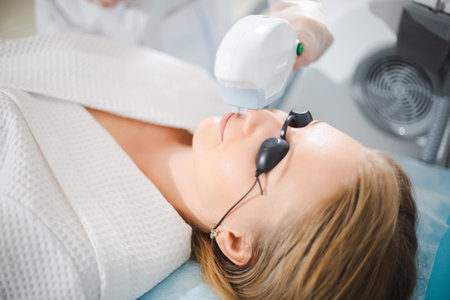
Introduction to Laser Skin Resurfacing in the UK
Laser skin resurfacing has gained remarkable popularity across the UK in recent years, becoming a go-to solution for individuals seeking rejuvenated and smoother skin. This innovative procedure uses advanced laser technology to target imperfections such as fine lines, acne scars, pigmentation, and uneven texture, with results that can be both dramatic and confidence-boosting. As more people become aware of its potential, laser skin resurfacing is now frequently discussed not only in beauty circles but also within mainstream conversations about self-care and personal well-being. While many private clinics offer this treatment, questions often arise regarding whether the NHS covers such procedures, who might be eligible, and what alternatives exist for those considering this journey. Understanding the basics of laser skin resurfacing—what it involves, its rising demand in the UK, and what you can realistically expect from the outcomes—is an empowering first step towards making an informed decision about your own skincare options.
NHS Policies and Eligibility Criteria
When considering laser skin resurfacing in the UK, it is crucial to understand the NHS’s position on this advanced dermatological treatment. The NHS generally distinguishes between procedures carried out for medical necessity and those performed for purely cosmetic reasons. Laser skin resurfacing, while effective for a range of skin concerns, is most often viewed as a cosmetic intervention unless there are clear medical indications such as severe scarring from burns, trauma, or specific dermatological conditions that significantly impact one’s quality of life.
Medical Necessity vs Cosmetic Reasons
The NHS has well-defined policies regarding what constitutes medical necessity. Treatments may be considered if a patient’s physical health, mental well-being, or daily functioning is substantially affected by their condition. Cosmetic requests—for example, treatments aimed solely at reducing fine lines or improving skin texture without underlying medical concerns—are not typically funded. This distinction is important for patients to understand before seeking a referral.
Typical Eligibility Requirements
| Eligibility Factor | Description |
|---|---|
| Medical Documentation | Comprehensive records proving the condition has not responded to conventional therapies. |
| Impact Assessment | Evidence that the skin issue significantly affects mental health or daily activities. |
| Specialist Referral | A GP must refer the patient to a dermatologist or plastic surgeon within the NHS system. |
| Clinical Commissioning Group (CCG) Approval | The local CCG must approve funding on an individual case basis. |
The Referral Process Explained
The journey typically begins with a visit to your GP, who will assess your needs and determine if specialist input is justified. If so, a referral to an NHS dermatologist or plastic surgeon may follow. At this stage, thorough documentation of prior treatments and their outcomes becomes essential. Should the specialist agree that laser skin resurfacing could provide substantial clinical benefit, an Individual Funding Request (IFR) may be submitted to your local Clinical Commissioning Group. Approval rates vary depending on local policies and resources, and decisions are made case by case with input from both clinical and administrative professionals.

3. Accessibility and Waiting Times
Accessing laser skin resurfacing through the NHS is a journey that requires patience, planning, and a realistic outlook. While the NHS provides exceptional healthcare to millions across the UK, it prioritises treatments based on medical necessity rather than cosmetic preference. Therefore, laser skin resurfacing is only accessible through the NHS for patients who meet strict clinical criteria—typically those with severe scarring from burns or trauma, or certain chronic skin conditions significantly impacting their quality of life.
When eligibility is established, another practical consideration comes into play: waiting times. Demand for specialist dermatology services on the NHS often exceeds supply, resulting in waiting lists that can range from several months to over a year depending on your location and the urgency of your case. Urban areas like London or Manchester may offer more treatment centres and shorter waits due to larger hospitals and specialised clinics, while rural regions or smaller towns may have limited facilities, leading to longer delays.
Geographical disparities are a reality within the UK’s healthcare system, and this can affect how quickly you can access laser skin resurfacing if you’re eligible. Those living in remote areas might also face additional travel costs and logistical challenges when attending consultations or follow-up appointments. It’s important to factor these aspects into your decision-making process and consider whether you are prepared for a potentially lengthy wait or if exploring private alternatives might be more suitable for your needs and timeline.
4. Private Sector Options
If you find that laser skin resurfacing is not available to you through the NHS, exploring private sector options can be a positive and empowering step. The UK’s private healthcare landscape offers a range of clinics and services tailored to diverse needs, preferences, and budgets. Understanding what’s available will help you make an informed decision that aligns with your personal goals.
Types of Clinics Offering Laser Skin Resurfacing
- Specialist Dermatology Clinics: These clinics are led by consultant dermatologists and often provide advanced laser technologies with medical-grade expertise.
- Aesthetic or Cosmetic Clinics: Run by trained practitioners or aesthetic doctors, these focus on cosmetic outcomes and may offer a wide range of skin rejuvenation treatments in addition to laser resurfacing.
- Private Hospitals: Some private hospitals have dedicated dermatology or cosmetic departments, offering comprehensive care under one roof.
Typical Treatment Pathways
- Initial Consultation: Assessment of your skin concerns, suitability for treatment, and discussion of expectations.
- Treatment Planning: Personalised plan including type of laser, number of sessions, and pre/post-care advice.
- Treatment Sessions: Laser procedures performed at the clinic; frequency depends on the chosen technique and your skin’s response.
- Aftercare and Follow-up: Ongoing support to ensure optimal results and safe recovery.
Cost Overview
| Treatment Area | Approximate Cost per Session (£) | Total Sessions Typically Needed |
|---|---|---|
| Full Face | £600 – £1,500 | 1-3 |
| Partial Face (e.g. cheeks, forehead) | £300 – £700 | 1-3 |
| Small Areas (e.g. scars, around eyes) | £150 – £400 | 1-3 |
| Add-on Aftercare Products | £30 – £100 | – |
Navigating Your Choices Confidently
The private sector can seem overwhelming at first glance, but taking time to research reputable providers and compare their offerings will serve you well. Always look for clinics regulated by the Care Quality Commission (CQC) and practitioners registered with the General Medical Council (GMC) or relevant professional bodies. Remember: investing in your wellbeing is a courageous choice, and with careful planning, you can achieve results that truly reflect your aspirations.
5. Comparing NHS and Private Experiences
When considering laser skin resurfacing in the UK, it’s natural to wonder how patient experiences differ between NHS-provided services and private clinics. Both options offer unique advantages, but also come with their own sets of challenges. Understanding these differences can help you make a confident, well-informed choice that suits your needs and expectations.
Patient Experience: Access and Personalisation
NHS treatments are known for their clinical excellence and strict eligibility criteria, which ensures resources are allocated fairly. However, this can mean longer waiting times and less flexibility in treatment scheduling or choice of practitioner. Patients often report feeling reassured by the NHS’s thorough assessment process, but some may experience frustration due to limited availability or delays.
The Private Sector: Convenience and Custom Care
Private clinics typically offer shorter waiting times, a wider array of laser technologies, and more personalised attention. You’ll likely have the freedom to select your practitioner and schedule appointments at your convenience. Many patients appreciate the tailored approach and extensive aftercare that private providers deliver. Nevertheless, these benefits come at a significant financial cost, which not everyone finds justifiable or accessible.
Balancing Satisfaction and Expectations
Overall satisfaction tends to hinge on individual priorities—those seeking promptness and bespoke service may lean towards private care, while others value the NHS’s regulated standards and cost-free access for eligible cases. It’s important to set realistic expectations; even in private clinics, outcomes depend on medical suitability, practitioner expertise, and adherence to aftercare guidance. Whichever route you choose, being well-informed will empower you to achieve the best possible results for your skin health and confidence.
6. Considerations Before Proceeding
Before deciding to undergo laser skin resurfacing in the UK, it is essential to carefully evaluate several important factors. This procedure, whether accessed through the NHS or via private clinics, carries both potential benefits and risks that should not be overlooked. First and foremost, safety must be your top priority. Ensure your chosen practitioner is fully qualified, registered with relevant professional bodies such as the General Medical Council (GMC) or the Care Quality Commission (CQC), and has demonstrable experience with laser treatments. Ask about the type of laser technology used and its suitability for your skin type and concerns.
Aftercare and Recovery
Proper aftercare is crucial to achieving the best possible results and minimising complications. Laser resurfacing often involves a period of redness, swelling, and sensitivity; you may need to avoid sun exposure and follow a tailored skincare routine as advised by your provider. It’s wise to discuss post-procedure care in detail beforehand so you know exactly what to expect and can prepare accordingly—remember, recovery times vary depending on the depth and intensity of the treatment.
Informed Decision-Making
Making an informed decision goes beyond simply understanding the procedure itself. Consider why you want laser resurfacing: are your expectations realistic, and have you explored less invasive alternatives? Take time to research different providers—read reviews, seek recommendations, and request consultations to compare approaches and costs. If you’re considering NHS treatment, be aware of strict eligibility criteria and potential waiting times; if private options appeal more, factor in the financial commitment.
Your Wellbeing Comes First
Ultimately, your wellbeing—both physical and emotional—should guide your choices. Don’t hesitate to ask questions or voice concerns at any stage of the process. By weighing up all these considerations with care and confidence, you’ll be better equipped to choose a path that aligns with your needs and delivers safe, satisfying results within the context of UK healthcare options.