1. Introduction to Collagen Stimulation in Anti-Ageing
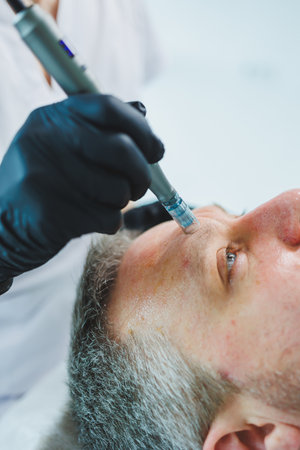
Collagen stimulation has rapidly become a cornerstone of modern anti-ageing strategies, particularly within the UK’s dynamic aesthetic landscape. As British clients increasingly seek natural yet effective solutions for rejuvenation, the focus on enhancing the skin’s own regenerative capacity has gained significant traction. This approach hinges on stimulating collagen production—an essential protein responsible for maintaining skin’s firmness and elasticity—which naturally declines as we age. In the UK, both minimally invasive procedures and advanced topical treatments have surged in popularity, reflecting a preference for methods that deliver subtle, authentic results without dramatic downtime. Options such as microneedling, injectable biostimulators like poly-L-lactic acid (PLLA) and calcium hydroxylapatite (CaHA), and energy-based devices including radiofrequency and ultrasound are widely available in clinics across London, Manchester, and beyond. These treatments are underpinned by robust scientific evidence demonstrating their ability to trigger fibroblast activity and promote neocollagenesis—the creation of new collagen fibres. With an emphasis on safety, efficacy, and natural-looking outcomes, collagen stimulation therapies now serve as both standalone solutions and integral components within broader anti-ageing regimens tailored to the expectations and lifestyles of UK patients.
2. The Role of Collagen Stimulation in Modern UK Aesthetics
Within the dynamic landscape of British aesthetic medicine, collagen stimulation has rapidly emerged as a cornerstone approach for both practitioners and patients alike. This shift can be attributed to a combination of evolving patient preferences, increased awareness about preventative ageing strategies, and the unique skin concerns prevalent across the UK population.
Collagen, the primary structural protein in the skin, is essential for maintaining firmness and elasticity. However, natural collagen production declines with age, leading to visible signs of ageing such as fine lines, wrinkles, and sagging. In response, UK clinics have witnessed a notable rise in demand for treatments specifically designed to stimulate collagen synthesis, offering more natural-looking and gradual improvements compared to traditional dermal fillers or surgical interventions.
Patient Preferences Shaping Treatment Choices
British patients are increasingly prioritising subtlety and safety in their aesthetic journeys. There is a distinct preference for minimally invasive procedures that deliver refreshed yet authentic results—avoiding the “overdone” look often associated with more aggressive interventions. Collagen-stimulating treatments, including biostimulatory injectables (like Sculptra), microneedling, and radiofrequency-based therapies, align perfectly with these desires by fostering natural tissue regeneration over time.
Common Skin Concerns Addressed by Collagen Stimulation
The UKs climate and lifestyle factors contribute to specific dermal challenges. For instance, frequent exposure to wind and fluctuating weather conditions can exacerbate dryness and sensitivity, while lower levels of sunlight can impact overall skin vitality. Collagen stimulation addresses several primary concerns among British patients:
| Skin Concern | How Collagen Stimulation Helps |
|---|---|
| Fine Lines & Wrinkles | Promotes new collagen formation, softening expression lines naturally |
| Loss of Firmness | Restores skin’s elasticity and structure for a lifted appearance |
| Dullness & Texture Irregularities | Enhances skin texture by supporting healthy cell turnover |
| Scarring (e.g., acne scars) | Improves scar depth and smoothness through dermal remodelling |
A Culturally Informed Approach
Aesthetic practitioners in the UK also recognise the importance of cultural nuances when recommending anti-ageing solutions. The British approach tends to favour longevity over immediacy—valuing gradual transformation and maintenance. As such, collagen stimulation fits seamlessly within this ethos, allowing clients to enjoy ongoing improvements without significant downtime or dramatic shifts in appearance.

3. Combining Collagen Stimulation with Injectables
The synergy between collagen stimulation and injectable treatments such as botulinum toxin (commonly known as Botox) and dermal fillers is a cornerstone of contemporary anti-ageing practice in the UK. This integrative approach leverages the unique benefits of each modality, providing comprehensive facial rejuvenation while respecting the nuances of British aesthetics.
Understanding the Complementary Mechanisms
Collagen stimulators, including agents such as poly-L-lactic acid or calcium hydroxylapatite, work by inducing the skin’s natural regenerative processes to gradually improve structure and elasticity. In contrast, botulinum toxin temporarily relaxes targeted muscles to smooth dynamic wrinkles, while dermal fillers restore lost volume and contour specific facial areas. When thoughtfully combined, these treatments address both the underlying causes of ageing and its visible manifestations, offering results that are both subtle and enduring—a preference widely observed among patients in the UK.
Clinical Considerations for UK Practitioners
In the context of UK clinical practice, patient safety and tailored treatment planning are paramount. It is essential to sequence procedures appropriately; for instance, administering injectables before collagen stimulators can help achieve precise volumisation and muscle relaxation without interfering with the collagen-building process. Furthermore, practitioners must remain vigilant regarding potential interactions or adverse effects, ensuring comprehensive consultation and informed consent in line with British regulatory standards.
Patient-Centred Outcomes
UK patients often seek natural-looking enhancements that preserve individual character rather than dramatic transformations. By integrating collagen stimulators with injectables, clinicians can deliver layered results—restoring youthful contours while promoting skin health over time. This approach aligns with the understated aesthetic commonly favoured in British culture and supports gradual, harmonious rejuvenation tailored to diverse skin types and ageing patterns found across the population.
4. Pairing Collagen Stimulation with Skincare Technologies
In the UK, the demand for effective, non-invasive anti-ageing solutions has led to a surge in combining collagen stimulation with advanced skincare technologies. This integrated approach is increasingly popular among British patients seeking natural-looking results without significant downtime. Here, we analyse how collagen stimulators are being paired with leading non-surgical modalities such as microneedling, laser treatments, and radiofrequency devices.
Synergistic Effects of Combined Therapies
Collagen stimulators—such as injectables containing poly-L-lactic acid or calcium hydroxylapatite—work by encouraging the body’s own collagen production over time. When used in conjunction with technologies like microneedling, fractional lasers, or radiofrequency (RF) devices, practitioners can enhance both immediate and long-term rejuvenation effects. The combination allows for improved skin texture, elasticity, and firmness while addressing multiple signs of ageing in one comprehensive plan.
Popular Non-Invasive Technologies in the UK
| Technology | How It Works | Benefits When Combined with Collagen Stimulation |
|---|---|---|
| Microneedling | Tiny needles create controlled micro-injuries to trigger wound healing and collagen production. | Enhances absorption of topical stimulators; accelerates new collagen synthesis; suitable for all skin types. |
| Laser Therapy (e.g., Fraxel) | Uses focused light energy to resurface skin and promote dermal remodelling. | Improves tone and texture; stimulates deeper collagen when paired with injectables. |
| Radiofrequency (RF) | Delivers energy to heat dermal layers, tightening tissue and inducing collagen growth. | Tightens sagging skin; amplifies volumising effects of biostimulators; minimal recovery time. |
Clinical Considerations for UK Practitioners
Integrating these therapies requires careful patient assessment and tailored treatment planning. British clinics often stagger procedures to minimise risk—starting with energy-based devices before administering collagen-stimulating injectables. This sequencing maximises efficacy while reducing the likelihood of adverse reactions such as swelling or prolonged erythema. Additionally, practitioners must consider individual factors such as Fitzpatrick skin type, medical history, and lifestyle preferences common within the UK population.
Cultural Preferences and Safety Standards
The British aesthetic landscape values subtlety and natural enhancement over dramatic transformation. As such, combination protocols are designed to deliver gradual, believable improvements rather than abrupt changes. Strict adherence to UK regulations—including use of CE-marked devices and evidence-based protocols—further assures patient safety and satisfaction. Ultimately, pairing collagen stimulation with cutting-edge skincare technologies provides a holistic anti-ageing solution that aligns seamlessly with UK consumer expectations.
5. Cultural and Regulatory Considerations in the UK
The integration of collagen stimulation therapies with other anti-ageing approaches in the United Kingdom is shaped by a unique blend of regulatory frameworks, public perceptions, and cultural attitudes. In recent years, the UK has seen an increasing emphasis on patient safety and ethical standards within the aesthetics sector. The Care Quality Commission (CQC) oversees clinics offering certain regulated treatments, while organisations such as the General Medical Council (GMC) and the Joint Council for Cosmetic Practitioners (JCCP) provide guidance and voluntary registers to uphold best practices. These regulations aim to protect patients from unqualified practitioners and ensure that procedures, including collagen-stimulating injectables and energy-based devices, are administered safely and effectively.
Culturally, British clients tend to value subtlety and natural-looking results over dramatic transformations. There is a prevailing preference for gradual rejuvenation that maintains authenticity—an approach well-aligned with collagen stimulation treatments. However, public perception remains cautious; media coverage of adverse events or unregulated providers has led to heightened awareness and a demand for transparency regarding practitioner credentials, product provenance, and realistic outcomes. Patients often seek reassurance through word-of-mouth recommendations or visible affiliations with reputable professional bodies before committing to any aesthetic procedure.
Trust plays a pivotal role in the decision-making process. UK patients expect clear communication about potential risks, evidence-based benefits, and the long-term commitment involved in anti-ageing regimens. Practitioners are increasingly encouraged to adopt a consultative approach: conducting thorough assessments, providing honest advice about integrative strategies, and prioritising patient welfare above commercial interests. This ethical stance not only complies with regulatory expectations but also aligns with broader British cultural values around fairness, integrity, and informed consent.
6. Patient Pathways: From Consultation to Aftercare
In the UK, the patient journey for integrating collagen stimulation with other anti-ageing approaches is structured to ensure safety, efficacy, and a positive experience. Understanding this pathway can help practitioners deliver optimal results while fostering patient trust.
Initial Consultation: Building Rapport and Assessing Needs
The first step involves a thorough consultation where clinicians assess medical history, lifestyle factors, and patient expectations. In line with UK best practices, this stage emphasises transparency and informed consent. A holistic facial assessment is conducted to identify ageing concerns, skin quality, and suitability for treatments such as collagen stimulators, dermal fillers, or energy-based devices.
Treatment Planning: Personalisation and Multimodal Strategies
A personalised treatment plan is then formulated, often combining collagen stimulation with complementary modalities like botulinum toxin or medical-grade skincare. UK practitioners typically adopt a staged approach, allowing time for gradual improvement and minimal downtime. Open discussion about realistic outcomes, potential risks, and projected timelines is essential at this juncture.
Procedure Day: Safety and Comfort
On the day of treatment, strict adherence to hygiene protocols and patient comfort are prioritised. Detailed aftercare instructions are provided immediately post-procedure to mitigate common side effects such as redness or swelling. The use of British-regulated products and technology ensures compliance with national safety standards.
Aftercare: Supporting Recovery and Longevity
Effective aftercare advice is crucial in the UK context, where patients value clear guidance. This typically includes recommendations on sun protection, gentle cleansing routines, and avoidance of strenuous activity or certain skincare ingredients during recovery. Regular follow-up appointments enable practitioners to monitor progress and address any concerns promptly.
Ongoing Support: A Partnership Approach
The journey does not end after the initial treatment phase. UK clinics often provide ongoing support through maintenance sessions, annual reviews, and open communication channels. Educating patients on lifestyle choices—such as nutrition, sleep, and stress management—further enhances the longevity of their results.
This structured pathway exemplifies the high standards within UK aesthetic practice, ensuring that collagen stimulation integrated with other anti-ageing methods delivers safe, tailored, and long-lasting outcomes for every patient.
7. Emerging Trends and the Future of Integrated Anti-Ageing Strategies
As the anti-ageing landscape continues to evolve in the UK, there is a marked shift towards more sophisticated, multi-modal approaches that blend collagen stimulation with complementary therapies. Recent innovations, such as next-generation biostimulators, advanced microneedling devices, and regenerative injectables like exosomes and polynucleotides, are being increasingly incorporated into bespoke treatment plans. These advancements not only enhance collagen production but also address skin quality, elasticity, and overall facial harmony.
Growing patient awareness and demand for natural-looking results have prompted practitioners to adopt protocols that deliver gradual yet noticeable improvements. The British public’s preference for subtle enhancement over dramatic transformation is shaping the way integrated treatments are designed—favouring combinations of minimally invasive procedures with personalised aftercare regimens. Moreover, digital consultation platforms and AI-driven skin assessments are enhancing patient education, expectations management, and long-term monitoring of treatment outcomes.
Looking ahead, the future of integrated anti-ageing strategies in the UK appears promising. Collaboration between dermatologists, aesthetic doctors, and allied health professionals is set to become even more central, ensuring holistic care that takes into account each individual’s unique ageing process. We can anticipate a continued emphasis on evidence-based practice, rigorous safety standards, and ethical delivery of new technologies. As research uncovers further insights into cellular ageing and tissue regeneration, UK clinics are well-positioned to offer cutting-edge solutions tailored to diverse skin types and lifestyle needs.
Ultimately, the integration of collagen stimulation within broader anti-ageing protocols represents not just a trend but a paradigm shift in how rejuvenation is approached—melding science with artistry to achieve results that are both effective and authentically British in their subtlety and refinement.