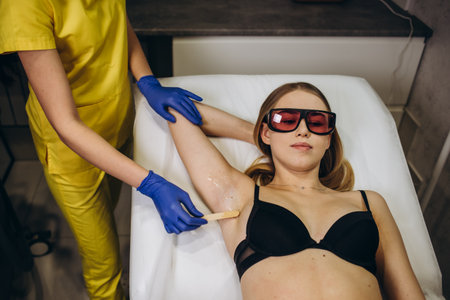
Introduction to Laser Tattoo Removal in the UK
Laser tattoo removal has witnessed a significant surge in popularity across the UK over the past decade. Once seen as a rare or specialist service, this procedure is now readily available in clinics from London to Glasgow, reflecting broader changes in social attitudes and lifestyle choices. More Britons are seeking to erase ink that no longer fits their personal or professional image, driven by reasons ranging from career opportunities to aesthetic preferences and even relationship changes. As tattoos become mainstream, so too does the desire for flexibility and change. This evolving trend has made laser tattoo removal an essential consideration for many, sparking interest in understanding not just how it works, but what it truly costs to undergo such a transformative procedure.
Factors Influencing Laser Tattoo Removal Costs
When considering laser tattoo removal in the UK, it is essential to understand the key factors that impact the overall cost of the procedure. The price can vary significantly based on several variables, each contributing to how complex and time-consuming the treatment will be. Below, we discuss the primary elements that influence pricing across clinics nationwide.
Tattoo Size
The size of your tattoo plays a pivotal role in determining the removal cost. Larger tattoos require more time under the laser and often necessitate additional sessions, which increases the total expenditure. Clinics typically categorise tattoos by approximate dimensions:
| Size Category | Approximate Area (cm²) | Typical Cost per Session (£) |
|---|---|---|
| Small | <5cm² | £50 – £80 |
| Medium | 5-15cm² | £80 – £150 |
| Large | >15cm² | £150 – £300+ |
Colour Complexity
Tattoos with multiple colours are generally more challenging and costly to remove than those with a single, dark ink like black. Colours such as green, blue, and yellow absorb different laser wavelengths and often require advanced technology or extra sessions, directly affecting the overall price.
Location on the Body
The placement of your tattoo also matters. Areas with thicker skin or better blood circulation—such as arms or upper back—tend to respond more favourably to laser treatment. Conversely, tattoos on hands, feet, or areas with thinner skin may need more sessions, thus increasing costs.
Skin Type and Tone
Your natural skin type and tone can influence both effectiveness and safety during removal. Darker skin types may require specific lasers to minimise risks like pigmentation changes, sometimes resulting in higher prices due to specialised equipment or extended session times.
Summary Table: Main Cost Influencers for UK Laser Tattoo Removal
| Factor | Description/Impact on Price |
|---|---|
| Tattoo Size | Larger tattoos = Higher cost due to longer treatment time and more sessions required. |
| Colour Complexity | Multi-coloured tattoos typically incur greater costs than single-colour ones. |
| Body Location | Difficult locations may lead to increased sessions and higher expenses. |
| Skin Type/Tone | Darker tones may necessitate specialist lasers, impacting overall price. |
Understanding these core variables will help you anticipate potential expenses and make informed decisions when selecting a laser tattoo removal provider in the UK.

3. Average Price Range Across the UK
When considering laser tattoo removal, the cost can vary significantly depending on where you are in the UK. Regional pricing differences are largely driven by local demand, operational expenses, and practitioner expertise. For example, London, as the nations capital and a global city, often commands premium prices for cosmetic procedures. Here, a single session of laser tattoo removal may range from £60 to £250, depending on the size and complexity of the tattoo.
Moving north to Manchester, you’ll typically find slightly lower rates reflecting the region’s lower overheads and competitive clinic environment. Expect costs per session to fall between £50 and £180. Meanwhile, in Edinburgh and other parts of Scotland, prices are generally comparable to Manchester, with most clinics offering sessions for around £50 to £170.
It’s important to note that these figures represent averages—actual costs can fluctuate based on factors such as clinic reputation, technology used (Q-switched vs. Picosecond lasers), and aftercare packages included. As a general rule, metropolitan areas tend to be pricier, while smaller towns or suburban locations may offer more competitive rates. However, higher price points in cities often come with access to advanced technologies and highly qualified specialists, which can impact both safety and results.
Whether you’re seeking treatment in London’s Harley Street or a reputable high street clinic in Leeds, it pays to compare not just the headline price but also what’s included in each session. Always enquire about consultations, follow-up appointments, and patch tests—these can all influence the overall value you receive during your tattoo removal journey.
4. What’s Included in a Typical Quotation?
When considering laser tattoo removal in the UK, understanding what’s covered in a standard quotation is vital to avoid hidden costs. Most reputable clinics provide transparent breakdowns, ensuring clients know exactly what they’re paying for. Below, we analyse the typical inclusions you can expect when receiving a quotation from UK-based providers.
Standard Inclusions in UK Clinics
A comprehensive quotation generally comprises several key elements. These are designed to cover your journey from initial enquiry through to aftercare, supporting optimal results and patient safety.
| Inclusion | Description | Typical Cost Range |
|---|---|---|
| Consultation Fee | Initial assessment with a qualified practitioner to evaluate your tattoo, skin type, and devise a tailored treatment plan. | £0 – £50 (often redeemable against treatment) |
| Per-Session Cost | Cost per individual session; varies based on tattoo size, ink colours, and complexity. | £40 – £200 per session |
| Aftercare Products | Creams or gels provided post-treatment to aid healing and reduce complications. | Included or £10 – £30 extra per session |
| Follow-Up Appointments | Review sessions to monitor progress and address any concerns after each treatment phase. | Often included or £20 – £40 per visit if separate |
Additional Considerations
Some clinics may include patch tests as standard practice—an essential step for assessing skin reactions to the laser. While some providers bundle this with the initial consultation at no extra charge, others might list it separately. Be sure to clarify whether VAT is included in quoted prices, as this can impact your overall expenditure.
The Value of Transparent Pricing
The hallmark of a trustworthy UK clinic is transparency. By requesting a detailed cost breakdown before committing to any procedure, you’ll be better positioned to compare offerings and ensure you’re not blindsided by unforeseen charges throughout your removal journey.
5. Hidden Charges and Additional Expenses
When considering the overall cost of laser tattoo removal in the UK, it’s crucial to look beyond the headline price per session. Many clients overlook a range of less obvious costs that can significantly impact the final bill. One such expense is the use of topical anaesthetics. While some clinics include numbing creams as part of their standard service, others may charge an additional fee for this comfort—especially if you require a stronger formula or multiple applications during lengthy sessions.
Another often-overlooked cost is the patch test, which many reputable clinics require before commencing a full course of treatment. Patch tests ensure your skin reacts safely to the laser, but they are not always complimentary. Depending on clinic policy, you might be charged anywhere from £10 to £40 for this preliminary step.
Extended treatment plans represent another hidden expenditure. While initial quotes may cover a typical number of sessions, certain tattoos—due to size, ink density, or colour complexity—may demand more treatments than originally anticipated. This can quickly escalate total costs, particularly if each additional session is charged at the standard rate rather than discounted as part of a package.
Other supplementary expenses could include aftercare products recommended by your practitioner, such as specialised creams or dressings to promote healing and reduce scarring risk. Some clients also opt for consultation fees, especially if seeking second opinions or considering switching providers mid-course.
In summary, while upfront pricing provides a starting point, savvy clients in the UK should factor in these hidden charges when budgeting for laser tattoo removal. Always request a detailed breakdown from your chosen clinic and clarify which elements are included—and which may incur further outlay—to avoid unwelcome surprises down the line.
6. NHS Coverage and Private Providers
One of the most common questions regarding laser tattoo removal in the UK is whether the NHS will cover the cost of treatment. Generally, the NHS does not provide tattoo removal for cosmetic reasons; funding is only considered in rare circumstances, such as where a tattoo is causing significant psychological distress or is linked to medical complications. Even then, approval for NHS-funded removal is subject to strict assessment criteria and lengthy waiting times, making it an exception rather than the rule.
For the vast majority seeking tattoo removal, private clinics are the primary option. Private providers across the UK offer a range of laser technologies, from Q-switched lasers to newer picosecond devices, each with varying efficacy and price points. When opting for private treatment, clients should expect transparent pricing structures—typically quoted per session or as package deals—and a clear breakdown of what is included, such as consultation fees, patch tests, aftercare advice, and follow-up appointments.
It’s crucial to select a provider that adheres to UK regulations and employs trained practitioners. Reputable clinics will offer comprehensive consultations to assess skin type, tattoo characteristics, and anticipated outcomes before commencing any treatment. This professional approach not only ensures safety but also helps manage expectations around results and total costs over the course of multiple sessions.
7. Cost versus Results: Is Laser Tattoo Removal Worth It?
When evaluating the cost of laser tattoo removal in the UK, it is vital to look beyond the price tag and consider the value delivered for your investment. Balancing expense with efficacy means understanding that the cheapest option may not always yield the best results. Clinics across the UK differ significantly in terms of technology, practitioner expertise, and aftercare support—all key factors influencing both outcome and total spend.
Weighing Price Against Outcome
Laser tattoo removal is a process where efficacy depends on numerous variables: ink depth, colour complexity, skin type, and the sophistication of equipment used. While budget clinics may seem attractive, they often employ outdated lasers or lack experienced technicians, which can lead to suboptimal results or even increased risk of side effects. Investing in reputable clinics using advanced technology such as PicoSure or Q-switched lasers usually translates to more effective sessions and potentially fewer visits overall—ultimately saving you time and minimising discomfort.
Making Informed Choices
To ensure you get maximum value from your expenditure, conduct thorough research before selecting a provider. Look for clinics accredited by respected bodies such as the Care Quality Commission (CQC) or British Association of Dermatologists (BAD). Request a detailed consultation outlining expected outcomes, session numbers, potential risks, and all-inclusive costs. Don’t hesitate to ask about the qualifications of practitioners and evidence of successful removals.
Tips for UK Consumers
- Prioritise clinics with proven track records and positive client reviews.
- Ask for transparent pricing—beware of hidden fees for numbing creams or follow-up care.
- Compare different providers but focus on quality over cost alone.
- Consider location convenience; frequent sessions could mean significant travel expenses if choosing far-off providers.
The true price of laser tattoo removal in the UK involves more than just pounds spent per session—it encompasses achieving satisfying results safely and efficiently. By balancing cost considerations with clinic quality and technological standards, you can make a confident decision that protects both your wallet and your wellbeing.