Introduction to Tweakments and Gen Z
In recent years, Britain has witnessed a marked surge in the popularity of tweakments—a term that encapsulates minimally invasive cosmetic procedures designed to subtly enhance ones appearance. From lip fillers to Botox and non-surgical nose reshaping, tweakments offer younger generations a route to refined aesthetics without the permanence or downtime associated with traditional plastic surgery. At the forefront of this movement is Generation Z, whose members are not only more open about aesthetic enhancement than previous cohorts but also drive demand for these services across the UK. Fuelled by social media, influencer culture, and an evolving attitude towards self-expression, British Gen Zers are embracing tweakments as part of their regular beauty regimen. This trend raises important questions about societal pressures, access to cosmetic treatments, and the implications for youth identity in contemporary British culture.
2. Cultural Shifts and Social Influences
The landscape of aesthetic enhancement among British youth is being dramatically reshaped by a convergence of cultural factors, notably the pervasive influence of celebrity culture, the omnipresence of social media, and evolving societal expectations. In recent years, high-profile British celebrities and influencers have become powerful trendsetters, normalising tweakments such as lip fillers, Botox, and non-surgical nose jobs. Young people are increasingly exposed to meticulously curated images on platforms like Instagram and TikTok, where flawless appearances are not only celebrated but often expected. This creates a feedback loop in which the desire for perfection is both amplified and perpetuated.
British Gen Z, in particular, finds itself at the crossroads of tradition and modernity. The historical British ‘stiff upper lip’ and understated approach to beauty are giving way to more open discussions around cosmetic procedures. Social media has accelerated this shift, providing a space for young people to share their experiences with tweakments, access before-and-after content, and seek validation from peers. It is no longer unusual for discussions about aesthetics to occur openly among friends or even within families.
Key Influences on Youth Attitudes
| Influence | Description | Impact on Gen Z |
|---|---|---|
| Celebrity Culture | Popular TV personalities and musicians publicly endorse or undergo tweakments. | Normalises cosmetic enhancements; sets aspirational beauty standards. |
| Social Media Platforms | Instagram, TikTok, and Snapchat fuel constant exposure to ‘perfected’ images. | Increases pressure to conform; facilitates information sharing about procedures. |
| Societal Expectations | Modern British society places increasing value on appearance and self-optimisation. | Drives acceptance of tweakments as part of regular self-care routines. |
The Role of Peer Networks
The impact of peer networks cannot be underestimated. As more British youths witness friends embracing aesthetic enhancements, the stigma associated with such treatments diminishes. Group discounts at clinics and collective decision-making further encourage uptake. In this environment, tweakments are reframed less as radical interventions and more as accessible tools for self-improvement—a significant departure from past attitudes in the UK.
3. Popular Tweakments Among British Youth
As the appetite for aesthetic enhancement grows among Gen Z in the UK, non-surgical tweakments have become particularly popular due to their accessibility, minimal downtime, and subtle results. These procedures are not only widely discussed on social media platforms like TikTok and Instagram, but also increasingly normalised through celebrity culture and influencer endorsements. Below, we examine the most sought-after tweakments shaping beauty trends among British youth, highlighting those with distinct local popularity.
Dermal Fillers: Sculpting Facial Features
Dermal fillers remain at the forefront of the tweakment revolution. In the UK, young people are opting for fillers to enhance lips, define jawlines, and contour cheekbones—a trend often referred to as “the London look.” Unlike older generations who may have pursued dramatic changes, Gen Z typically prefers more natural enhancements that subtly refine facial symmetry. The demand for hyaluronic acid-based fillers is especially high due to their reversibility and perceived safety.
Botox: Preventative and Expressive Uses
Once associated mainly with older adults, Botox (botulinum toxin) has found a new audience among British Gen Z. Many are turning to so-called “Baby Botox,” involving lower doses designed for prevention rather than correction. This approach is used to delay the onset of fine lines while preserving natural facial expressions—a crucial point for a generation keen on authenticity. The trend is especially prominent in urban centres such as Manchester, Birmingham, and London, where access to reputable clinics is widespread.
Skin Treatments: Glowing Complexions as a Status Symbol
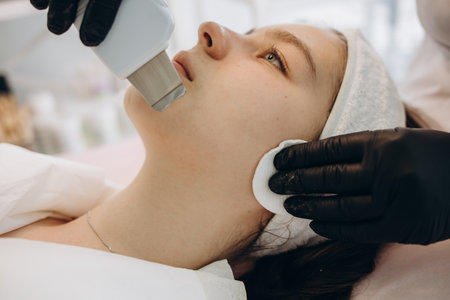
Skin health has emerged as a core focus within the UK’s youth-driven aesthetics movement. Chemical peels, microneedling, LED light therapy, and hydrafacials are increasingly popular for achieving that coveted “glass skin” glow seen across social media feeds. Notably, these treatments are marketed not only as cosmetic procedures but also as acts of self-care—reflecting Gen Z’s holistic approach to wellbeing. The rise in demand for advanced skincare is evident in both high-street salons and boutique clinics throughout the country.
UK-Specific Trends: Local Influences and Innovations
What sets the British market apart is its embrace of subtlety and individuality. Rather than chasing identical beauty ideals, young Britons tend to favour bespoke treatment plans tailored to their unique features. There is also a growing interest in ethical practices and transparency regarding ingredients and aftercare—a trend reinforced by regulatory efforts from UK health authorities. From Liverpool’s vibrant clinic scene to Edinburgh’s discreet boutique studios, tweakments continue to evolve in ways that reflect both national identity and global influences.
4. Regulatory Landscape and Accessibility
The increasing demand for tweakments among British Gen Z has prompted scrutiny of the UK’s regulatory environment, particularly as it relates to the accessibility and safety of aesthetic procedures. The landscape is characterised by a complex interplay between legislation, NHS guidance, and the rapidly growing presence of high street clinics offering cosmetic enhancements.
UK Legislation: Current State and Gaps
The UK government has taken several steps to address concerns surrounding non-surgical cosmetic procedures, especially those targeting young people. Notably, the Botulinum Toxin and Cosmetic Fillers (Children) Act 2021 made it illegal to administer such treatments to individuals under 18, except for medical reasons prescribed by a healthcare professional. However, the enforcement of these regulations remains challenging due to loopholes and inconsistencies in practitioner qualifications and clinic oversight.
| Legislation/Guideline | Key Features | Limitations |
|---|---|---|
| Botulinum Toxin and Cosmetic Fillers (Children) Act 2021 | Prohibits procedures for under-18s without medical need | Difficult to monitor informal or unregulated providers |
| NHS Guidance | Discourages unnecessary aesthetic interventions in youth; promotes psychological assessment | Not enforceable outside NHS settings |
| CQC Registration (Care Quality Commission) | Mandatory registration for clinics offering certain regulated activities | Many tweakment providers fall outside CQC remit |
NHS Perspective: Health Risks and Preventative Focus
The NHS adopts a cautionary stance towards cosmetic enhancements in young people, highlighting risks such as infection, allergic reactions, and psychological harm from unrealistic beauty standards. The service emphasises the importance of robust mental health support and informed consent prior to any intervention. Despite this, NHS influence is limited, as most tweakments are accessed privately rather than through public healthcare channels.
The Proliferation of High Street Clinics
The surge in high street clinics across British cities has made aesthetic procedures more accessible than ever. Many establishments offer walk-in appointments with minimal screening or aftercare. This trend is particularly concerning when combined with aggressive social media marketing targeting Gen Z audiences, often downplaying potential risks or long-term consequences.
Concerns: Underage Access and Unregulated Practitioners
A persistent issue within the sector is the relative ease with which under-18s can obtain treatments—sometimes by falsifying age or seeking services from unregistered practitioners. The lack of mandatory qualifications for those administering non-surgical tweakments further exacerbates safety concerns. Calls for tighter regulation—including compulsory practitioner accreditation and clearer advertising standards—are growing louder as incidents of botched procedures come to light.
Summary Table: Key Regulatory Challenges in the UK Aesthetic Sector
| Challenge | Description | Impact on Gen Z Youth |
|---|---|---|
| Unregulated Providers | Lack of mandatory training or registration for many practitioners | Higher risk of complications and misinformation about procedures |
| Underage Access Loopholes | Ineffective enforcement allows some minors to access treatments illicitly | Puts vulnerable youth at risk physically and psychologically |
| Advertising Standards | Aggressive marketing often targets impressionable young audiences without sufficient warnings about risks | Increases pressure on Gen Z to conform to unrealistic aesthetics; may encourage impulsive decisions about tweakments |
The intersection of evolving legislation, NHS recommendations, and rapid commercial expansion creates a complex regulatory environment that struggles to keep pace with the popularity of tweakments among British youth. Addressing these challenges will require coordinated action from lawmakers, health professionals, and industry stakeholders to ensure both safety and ethical standards are upheld.
5. Risks, Ethics, and Psychological Impact
Physical and Mental Health Risks
The surge in popularity of tweakments among British Gen Z has not come without potential hazards. While minimally invasive, procedures such as fillers, Botox, and chemical peels can still lead to complications including allergic reactions, infections, and unsatisfactory results that may require corrective treatments. More concerning, however, is the psychological risk: some young people may develop a dependency on cosmetic interventions, escalating from minor adjustments to repeated or unnecessary procedures in pursuit of an ever-shifting beauty ideal.
Ethical Considerations in Youth Aesthetic Enhancement
The ethics surrounding tweakments for under-25s in the UK are increasingly debated. Critics argue that commercial clinics and influencers sometimes exploit the insecurities of young consumers by marketing aesthetic enhancements as routine self-care. There are also concerns about informed consent—whether young clients fully understand the risks and long-term consequences of these procedures. Regulatory bodies like the General Medical Council and recent legislative moves banning cosmetic injectables for under-18s reflect growing efforts to protect this vulnerable demographic.
Body Image, Self-Esteem, and Social Pressures
The prevalence of tweakments is tightly interwoven with issues of body image and self-esteem among British youth. Social media platforms amplify unattainable beauty standards, while filters and editing apps blur the line between reality and aspiration. This environment fosters a culture where physical appearance is closely tied to self-worth, making some young people feel pressured to seek cosmetic enhancement as a way to fit in or gain social approval. Studies have linked these pressures to rising rates of anxiety, depression, and body dysmorphia in Gen Z.
Balancing Autonomy with Safeguarding
Ultimately, the challenge lies in balancing young people’s autonomy over their own appearance with safeguarding their wellbeing. As tweakments become more mainstream among British youth, ongoing education around healthy body image, critical media literacy, and robust regulatory oversight will be crucial in mitigating risks—ensuring that aesthetic enhancement remains a personal choice rather than a social imperative.
6. Future Outlook and Public Discourse
As tweakments become increasingly mainstream among British Gen Z, the trajectory of aesthetic enhancement is poised for further evolution.
Emerging Trends in Cosmetic Procedures
The UK market is witnessing a surge in subtle, non-invasive cosmetic treatments tailored to younger demographics. Treatments such as “baby Botox,” skin boosters, and minimally invasive contouring are marketed not only as beauty enhancers but also as tools for self-confidence and personal branding in a digital-first society. This shift signals a normalisation of aesthetic interventions at earlier ages, which may accelerate with advances in technology and social media influence.
Potential Policy Shifts and Regulatory Responses
In response to rising demand, policymakers and regulatory bodies are under increasing pressure to tighten oversight of the cosmetic industry. Recent debates have focused on stricter age restrictions, enhanced practitioner qualifications, and more robust advertising guidelines to safeguard young people from misleading information and undue pressure. There is growing advocacy for mandatory psychological assessments prior to procedures for under-18s, alongside calls for greater transparency around the risks associated with tweakments.
National Conversation: Beauty Norms and Youth Wellbeing
The public discourse in Britain reflects a complex negotiation between evolving beauty standards and societal responsibility. Campaigns led by youth organisations and mental health charities highlight the potential impact of aesthetic pressures on self-esteem and wellbeing. Schools, parents, and healthcare professionals are increasingly engaged in discussions about body image literacy, resilience, and informed consent.
Towards Responsible Regulation
Looking ahead, the challenge will be balancing individual autonomy with collective responsibility. As the government considers comprehensive reforms—including licensing requirements for clinics, mandatory reporting of adverse events, and public awareness campaigns—the conversation is likely to shape not only policy but also cultural attitudes towards beauty and youth identity in the UK.