Defining Natural and Organic in Aesthetic Medicine
When it comes to aesthetic treatments in the UK, terms like natural and organic are often used in marketing, but their real meanings can be somewhat elusive. In the context of aesthetic medicine, natural typically refers to products or procedures that aim to mimic or enhance the bodys own processes without relying on synthetic chemicals or invasive techniques. Meanwhile, organic suggests that the ingredients used are derived from organically farmed sources, ideally free from pesticides, artificial fertilisers, and genetically modified organisms.
However, there is a considerable amount of confusion and misconception around these labels. Unlike food products, which are tightly regulated by bodies such as the Soil Association or EU Organic Certification schemes, aesthetic treatments do not always adhere to strict regulatory definitions for what constitutes organic or natural. This means that clinics and practitioners may use these terms rather loosely, sometimes stretching their meaning beyond what most people would expect.
In the UK, while some topical skincare products might carry certified organic marks, injectable substances and devices used in procedures rarely do. Its important to note that the Medicines and Healthcare products Regulatory Agency (MHRA) oversees medical devices and medicines, but does not have specific standards for labelling something as natural or organic in this field. This regulatory gap has led to widespread misconceptions among patients who may assume these treatments are inherently safer or more effective simply due to their branding.
Ultimately, understanding what natural and organic really mean within UK aesthetics requires a critical look at both marketing language and current legislation. For anyone considering such treatments, its essential to ask for clear information about product sourcing, ingredient transparency, and compliance with relevant safety standards before making a decision.
2. Popular Natural and Organic Treatments in the UK
When discussing whether natural or organic aesthetic treatments are better, it is important to understand what these terms mean within the context of the UK beauty industry. In recent years, British patients have shown growing interest in products and procedures that claim to be less synthetic, more environmentally friendly, or based on plant-derived ingredients. This shift is influenced by a broader cultural preference for wellness, transparency, and sustainability.
The following table provides an overview of some treatments commonly considered natural or organic, along with their key features and prevalence among British clients:
| Treatment Type | Description | Common Ingredients | Prevalence in the UK |
|---|---|---|---|
| Plant-Based Fillers | Injectables derived from non-animal sources, often marketed as vegan or botanical alternatives. | Hyaluronic acid (bacterial fermentation), plant polysaccharides | Growing, especially among younger adults and those seeking cruelty-free options. |
| Organic Facials | Facial treatments using certified organic products free from synthetic chemicals. | Aloe vera, green tea extract, organic essential oils | Popular in urban wellness clinics and spas. |
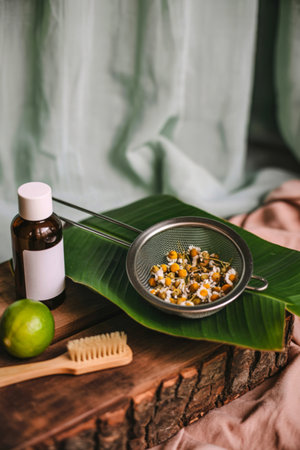
| Herbal Peels | Chemical peel alternatives utilising natural enzymes and herbal extracts. | Papaya enzyme, chamomile, licorice root | Niche but expanding in popularity among sensitive skin clients. |
| Natural Microneedling Serums | Serums used during microneedling made with organic or botanical ingredients. | Rosehip oil, vitamin C from acerola cherry | Often requested by ingredient-conscious patients. |
This trend towards natural and organic treatments is visible across both high-street clinics and boutique wellness studios throughout the UK. Patients frequently seek reassurance regarding ingredient sourcing and safety profiles. However, it is important to note that not all treatments labelled as ‘natural’ or ‘organic’ are strictly regulated, which can lead to variability in quality and outcomes. The next section will delve into how British regulations define and oversee these terms in the aesthetic sector.

3. Examining the Science: Efficacy and Safety
When it comes to assessing whether ‘natural’ or ‘organic’ aesthetic treatments truly outshine their conventional counterparts, it’s essential to turn to scientific evidence rather than marketing promises. A growing number of studies have explored the effectiveness and safety profile of plant-based, mineral, or so-called organic formulations in comparison with traditional, often synthetic, options.
Efficacy: Do Natural Ingredients Deliver Results?
The efficacy of natural and organic treatments varies significantly depending on the active ingredients and their formulation. Some botanicals—like green tea extract or aloe vera—have shown measurable benefits in skin health, including anti-inflammatory effects and antioxidant properties. However, clinical studies generally indicate that while certain natural products can improve skin hydration or soothe irritation, their impact is often less dramatic or slower compared to prescription-strength or lab-developed alternatives. For instance, retinoids derived from plants may be gentler but are typically less potent than their synthetic analogues used in mainstream dermatology.
Safety: Are Organic Treatments Risk-Free?
Natural does not always mean safer. Allergic reactions and sensitivities to botanical extracts are well-documented in scientific literature. Essential oils and some herbal components can trigger dermatitis or interact with other medications, especially if products are unregulated or lack standardisation—a common issue highlighted by UK regulatory bodies such as the MHRA. Conversely, conventional treatments undergo rigorous clinical trials for both efficacy and safety before reaching patients, although they too carry risks such as irritation, especially with misuse.
A Balanced Perspective
Current research suggests that neither natural nor conventional options are universally superior; much depends on individual skin types, specific conditions being treated, and product quality control. The British Association of Dermatologists advises that consumers approach both categories with caution: seek evidence-based guidance from qualified professionals rather than relying solely on ‘natural’ labels as an assurance of safety or effectiveness.
Takeaway for Informed Choices
Ultimately, the science encourages a nuanced approach. While there is genuine promise in some plant-derived actives and organic formulations, claims should be weighed against robust clinical data and personalised medical advice. In the UK context—where regulation is tightening but still evolving—staying informed is key to making safe, effective choices for your aesthetic care.
4. Perceptions and Preferences: British Attitudes Towards Natural Aesthetics
In the UK, the demand for natural or organic aesthetic treatments has grown notably in recent years. This trend is not only influenced by global wellness movements but also shaped deeply by British cultural values around authenticity, safety, and environmental consciousness. Understanding why UK patients might favour these options requires an exploration of both historical context and modern-day attitudes.
The Role of Cultural Values in Treatment Choices
British consumers often associate natural with being safer, less invasive, and more respectful of the body’s integrity. The legacy of the NHS and public health messaging has ingrained a cautious approach towards medical interventions, which extends into the realm of aesthetics. There is a strong preference for gradual, subtle results over dramatic transformations—echoing the British ideal of understated elegance.
Key Factors Influencing Preferences
| Factor | Description | Impact on Choice |
|---|---|---|
| Trust in Safety | Perception that natural/organic treatments have fewer side effects or risks. | Higher likelihood to choose procedures labelled as natural. |
| Sustainability Concerns | Alignment with eco-friendly lifestyles and ethical consumerism trends. | Preference for products and brands with green credentials. |
| Cultural Modesty | Desire for subtle enhancement rather than obvious alteration. | Favouring treatments promising barely-there improvements. |
| Media Influence | Positive coverage of natural beauty standards in UK media. | Shapes public opinion and normalises natural aesthetics. |
The Language of ‘Natural’ in the UK Context
The term natural carries significant weight in British marketing. Patients are not only looking for organic ingredients but also for procedures that promise to work harmoniously with their own biology. Interestingly, there is a growing scepticism towards exaggerated claims; British patients tend to value transparency, clinical evidence, and understated branding over hype or celebrity endorsements.
Summary: Why ‘Natural’ Resonates with British Patients
The preference for natural or organic aesthetic treatments in the UK is multi-layered. It combines a desire for safety and authenticity with broader social values such as environmental stewardship and modesty. Ultimately, these preferences reflect a uniquely British approach to self-care: one that prioritises subtlety, responsibility, and trust in science-backed information.
5. Regulation and Quality Assurance in the UK
When it comes to natural and organic aesthetic treatments, safety and efficacy cannot be taken for granted just because a product claims to be plant-based or eco-friendly. In the UK, several regulatory bodies oversee the standards of these products to protect both practitioners and patients.
The Role of the MHRA
The Medicines and Healthcare products Regulatory Agency (MHRA) is the principal body responsible for regulating medicines, medical devices, and certain cosmetic products in the UK. Any product making medical claims—such as those that promise skin rejuvenation or anti-ageing effects—must meet MHRA approval before reaching consumers. This applies regardless of whether a product is marketed as natural, organic, or otherwise.
Cosmetic Regulations
For non-medicinal aesthetic products, such as creams, serums, and topical solutions, the UK adheres to strict cosmetic regulations. The Cosmetic Products Enforcement Regulations 2013 require manufacturers to notify products through the UK’s Cosmetics Products Notification Portal (SCPN), supply a full ingredients list, and maintain a Product Information File (PIF) demonstrating safety assessments. These protocols apply equally to conventional and natural or organic items.
Organic Certification Bodies
While terms like organic are not legally defined for cosmetics in the same way they are for food, reputable third-party organisations such as the Soil Association offer certification schemes. Their logos can help consumers identify products that meet higher standards for organic sourcing and minimal synthetic additives. However, this certification is voluntary rather than mandatory.
Ensuring Consumer Safety
Ultimately, anyone considering natural or organic aesthetic treatments in the UK should look for clear labelling, evidence of compliance with MHRA or cosmetic regulations, and—where relevant—trusted third-party certifications. These measures work together to provide confidence in both the safety and reliability of products offered on the market.
6. Making an Informed Choice: Questions to Ask Your Practitioner
Choosing an aesthetic treatment, whether labelled ‘natural’, ‘organic’, or otherwise, is not just a matter of marketing—it’s about safety, efficacy, and personal values. In the UK, patients are increasingly savvy but also face a market flooded with claims that can be difficult to verify. Here’s some practical guidance to help you navigate your options confidently.
Prioritise Qualifications and Regulation
First and foremost, always check your practitioner’s credentials. Are they registered with the General Medical Council (GMC), Nursing and Midwifery Council (NMC), or another recognised UK body? Don’t be shy about asking for proof. In Britain, only regulated professionals should administer injectables and other invasive treatments.
Scrutinise Ingredients and Evidence
If a product is marketed as ‘natural’ or ‘organic’, ask for the ingredient list. Is it certified by a reputable organisation such as Soil Association or COSMOS? More importantly, request peer-reviewed evidence supporting its safety and effectiveness—an honest practitioner should be able to provide scientific studies or published data rather than relying solely on testimonials.
Understand Risks and Side Effects
No treatment is entirely risk-free, regardless of how it is branded. Discuss potential side effects in detail—are there known allergic reactions or long-term concerns? If you have allergies or sensitivities, this conversation is non-negotiable. British practitioners should provide written aftercare advice and explain what to do if problems arise.
Transparency About Results and Maintenance
Ask what results you can realistically expect. How long will they last? Will you need top-up sessions? Natural does not always mean better—or longer-lasting. Ensure you understand the full commitment involved before proceeding.
Cultural Sensitivity and Personal Values
The UK is home to diverse cultures with varied expectations around beauty and wellness. Communicate your own values—whether sustainability, animal welfare, or faith-based considerations—and see if your practitioner respects these in their recommendations.
Checklist Before You Decide
- Is the practitioner fully qualified and insured?
- Are products traceable and certified where possible?
- Have risks, side effects, and alternatives been explained?
- Is there clear evidence supporting the treatment’s claims?
- Do the treatment outcomes align with your personal preferences?
In summary, being an informed patient means looking beyond buzzwords. Whether a treatment is natural, organic, or conventional, due diligence remains key to your safety and satisfaction within the UK’s unique regulatory context.