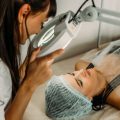
Overview of UK Advertising Standards for Aesthetic Clinics
The advertising landscape for aesthetic clinics in the United Kingdom is shaped by a robust regulatory framework, designed to safeguard public interest and uphold professional standards. Central to this framework is the Advertising Standards Authority (ASA), the UKs independent regulator of advertising across all media. The ASA ensures that promotional materials for aesthetic treatments are not only legal, decent, honest, and truthful, but also protect consumers from misleading or irresponsible claims. Given the increasing demand for cosmetic procedures and non-surgical enhancements, ethical marketing has become crucial for clinics seeking to establish trust and maintain credibility within a competitive market. Adhering to these standards is more than a legal obligation; it reflects a commitment to patient welfare and transparency. This introduction sets the stage for a deeper exploration of how compliance with UK advertising standards fosters both consumer protection and sustainable business growth in the aesthetic sector.
2. Understanding ASA Guidelines and CAP Code
The advertising landscape for UK aesthetic clinics is governed by rigorous standards, primarily shaped by the Advertising Standards Authority (ASA) and the Committee of Advertising Practice (CAP) Code. These two regulatory bodies play a critical role in ensuring that marketing communications are not only effective but also ethical, transparent, and aligned with public expectations. For clinics operating within the aesthetics sector, understanding these guidelines is essential to maintaining compliance and protecting their professional reputation.
The Role of the Advertising Standards Authority (ASA)
The ASA acts as the UK’s independent regulator of advertising across all media, including digital platforms, print, and broadcast. Its primary objective is to ensure that advertisements are legal, decent, honest, and truthful. The ASA investigates complaints about advertisements and has the authority to demand amendments or removal of non-compliant material. Importantly for aesthetic clinics, the ASA scrutinises claims related to treatments, efficacy, safety, and pricing—areas where misleading information can have significant consequences.
Committee of Advertising Practice (CAP) Code
The CAP Code complements the work of the ASA by providing detailed rules that advertisers must follow. It covers a wide spectrum of advertising aspects such as substantiation of claims, social responsibility, protection of children and vulnerable groups, and avoidance of misleading or exaggerated content. The CAP Code is updated regularly to reflect emerging trends in both consumer behaviour and technological developments relevant to the aesthetics industry.
Key Focus Areas for Aesthetic Clinics
| Focus Area | ASA/CAP Requirement |
|---|---|
| Treatment Claims | All claims must be evidence-based; avoid guarantees or unrealistic outcomes. |
| Pricing Transparency | Clearly state prices; no hidden charges or misleading discounts. |
| Use of Before-and-After Images | Images must be genuine, unaltered, and representative of typical results. |
| Testimonials & Endorsements | Authenticity required; celebrity or influencer endorsements must be declared. |
| Targeting Vulnerable Groups | No advertising directly targeting under-18s or exploiting insecurities. |
Implications for UK Aesthetic Clinics
Adhering to ASA guidelines and the CAP Code is more than a legal obligation—it is foundational to building trust with clients and safeguarding public health. Non-compliance can lead to reputational damage, financial penalties, and even regulatory intervention. Therefore, it is imperative for clinic owners and marketing teams to integrate these standards into every aspect of their promotional strategy, ensuring that all communications reflect ethical best practices as defined by UK advertising authorities.

3. Common Advertising Pitfalls and How to Avoid Them
UK aesthetic clinics frequently encounter challenges in aligning their marketing practices with the stringent standards set by the Advertising Standards Authority (ASA). Below, we analyse some of the most common advertising mistakes and offer actionable guidance on how to remain compliant while protecting your clinic’s reputation.
Misleading Claims and Exaggerated Results
A recurring error is the use of exaggerated or unsubstantiated claims about treatment efficacy. Phrases such as “guaranteed results” or “miracle cure” are likely to attract ASA scrutiny, particularly when evidence is lacking. To avoid this, clinics should ensure all statements are factual, verifiable, and supported by robust clinical data. Where necessary, qualify results by stating that individual outcomes may vary.
Inappropriate Use of Before-and-After Images
Before-and-after photos can be persuasive, but they must not mislead. The ASA has strict guidelines regarding the accuracy and context of such images—retouching, inconsistent lighting, or selective presentation can result in a breach. Always use genuine patient photos with documented consent, and clearly indicate if results are not typical.
Targeting Vulnerable Audiences
Another pitfall lies in targeting vulnerable groups, especially young people or individuals with body image concerns. Marketing that exploits insecurities or implies social acceptance depends on cosmetic enhancement can damage trust and lead to regulatory action. Content should be responsible, avoiding language or imagery that preys on self-esteem issues.
Failure to Disclose Risks and Side Effects
Transparency about potential risks is non-negotiable under UK advertising standards. Omitting side effects or downplaying them undermines informed decision-making for prospective clients. All marketing materials should provide balanced information that enables consumers to weigh benefits against possible downsides.
Practical Suggestions for Compliance
To safeguard reputational integrity and maintain ASA compliance: Regularly review all promotional content for accuracy and transparency; train staff on ethical advertising principles; seek legal or regulatory advice when launching new campaigns; and monitor ASA rulings for up-to-date best practice examples. By embedding these habits, UK aesthetic clinics can avoid costly pitfalls and build lasting client trust.
4. Transparency, Claims, and Evidence: Building Trust with Patients
In the competitive world of UK aesthetic clinics, maintaining transparency and honesty in advertising is not only an ethical requirement but also a legal obligation under the ASA (Advertising Standards Authority) guidelines. Building trust with patients begins with clear, truthful, and substantiated marketing communications that accurately represent the treatments and outcomes available.
The Necessity of Honesty and Substantiated Claims
UK regulations mandate that all claims made in clinic advertisements—whether on websites, social media, print, or outdoor media—must be honest and evidence-based. Exaggerated benefits, misleading visuals, or ambiguous statements can quickly erode trust and result in regulatory action. Aesthetic clinics should avoid absolute terms like “guaranteed results” or “miracle cure” unless supported by robust clinical evidence. Instead, communications should focus on factual descriptions of procedures and realistic outcomes.
Clear Communication: Informing Without Misleading
Clear communication is critical to informed consent and patient satisfaction. Marketing materials must not omit important information about potential risks or side effects. Additionally, any limitations regarding results or eligibility criteria for treatments should be clearly stated. Using plain English rather than medical jargon helps ensure that prospective patients fully understand what is being offered.
Evidence Requirements for Marketing Messages
The ASA requires that any claims made about the efficacy or safety of aesthetic treatments be supported by credible evidence—typically peer-reviewed clinical studies or appropriately documented case histories. Below is a summary table highlighting acceptable and unacceptable forms of evidence for typical marketing claims:
| Claim Type | Acceptable Evidence | Unacceptable Evidence |
|---|---|---|
| Treatment Efficacy | Peer-reviewed clinical studies; published research; systematic reviews | Anecdotal reports; single patient testimonials; before-and-after photos alone |
| Safety Profile | Regulatory approvals; safety data from reputable sources; practitioner credentials | Unsubstantiated assurances; vague statements without references |
| Comparative Claims (“better than”, “more effective”) | Head-to-head clinical trials; systematic comparisons published in scientific literature | Opinion pieces; competitor marketing material; unverified surveys |
Consequences of Non-Compliance
If a UK aesthetic clinic fails to adhere to these standards, it may face sanctions from the ASA, including removal of adverts, reputational damage, or further regulatory scrutiny. Proactive compliance not only avoids these pitfalls but also demonstrates a commitment to ethical practice—fostering long-term patient loyalty.
Best Practice Recommendations for UK Clinics
- Always review advertising materials for accuracy before publication.
- Ensure every claim can be substantiated with high-quality evidence.
- Provide balanced information about benefits and risks in accessible language.
- Regularly update content to reflect current best practices and available research.
In summary, transparency in advertising is fundamental to ethical marketing within UK aesthetic clinics. By prioritising honesty, substantiated claims, and clear communication, clinics not only comply with ASA standards but also build lasting trust with their patients—a critical factor for sustainable success in this rapidly evolving sector.
5. Digital and Social Media Compliance
The rapid evolution of digital marketing presents unique challenges for UK aesthetic clinics aiming to remain compliant with the Advertising Standards Authority (ASA) guidelines. As consumers increasingly turn to online platforms for information and recommendations, it is crucial that clinics adopt a robust approach to digital advertising, particularly on social media channels.
Key Challenges in Digital Marketing Compliance
One significant challenge lies in ensuring that all promotional content across digital channels—including websites, Instagram, Facebook, and TikTok—adheres to ASA’s stringent requirements. Claims about treatment efficacy must be evidence-based and not misleading, while before-and-after photos should accurately represent typical results without exaggeration or digital enhancement. The transient nature of social media posts and stories makes ongoing monitoring essential to avoid inadvertent breaches.
Influencer Partnerships: Navigating Transparency
Influencer collaborations have become a powerful tool for aesthetic clinics but also carry heightened compliance risks. Any partnership must be clearly disclosed as an advertisement using appropriate labels such as #ad or #sponsored. Furthermore, influencers must avoid making claims that cannot be substantiated or implying endorsements by medical professionals unless this is factual and can be verified.
Best Practices for Maintaining ASA Compliance
To uphold ethical standards in digital spaces, clinics should implement regular staff training on ASA rules and maintain clear approval processes for all online content. Monitoring tools can assist in tracking user-generated content and influencer posts linked to the clinic. Establishing written agreements with influencers outlining compliance responsibilities is highly recommended. Lastly, maintaining transparency and prioritising patient safety in all communications will help foster trust while safeguarding against regulatory breaches.
6. Responding to Complaints and Handling ASA Investigations
When running an aesthetic clinic in the UK, maintaining compliance with the Advertising Standards Authority (ASA) is only part of the equation—responding effectively to public complaints and potential investigations is equally crucial. Proactive complaint management not only minimises reputational risk but also reinforces patient trust in your services.
Understanding the Complaint Process
If a member of the public believes your advertising breaches ASA guidelines, they can submit a formal complaint directly to the ASA. The Authority will review the complaint and decide if it warrants a full investigation. It is essential for clinics to be familiar with this process and have internal protocols ready should such a situation arise.
Immediate Steps Upon Receiving a Complaint
- Acknowledge Promptly: Respond to the complainant as soon as possible, confirming receipt of their concerns and outlining next steps.
- Gather Evidence: Collect all relevant marketing materials, communications, and internal documentation relating to the advertisement in question.
- Review Internally: Assess whether there has been an oversight or genuine breach of ASA regulations within your clinic’s advertising practices.
Navigating an ASA Investigation
- Cooperate Fully: Engage openly with any ASA requests for information or clarification. Transparency demonstrates your commitment to ethical marketing.
- Submit a Detailed Response: Provide evidence supporting your advertising claims and detail any corrective measures you have implemented since receiving the complaint.
- Implement Remedial Actions: If found non-compliant, act swiftly to amend or withdraw offending materials, ensuring future campaigns adhere strictly to ASA standards.
Proactive Strategies to Safeguard Patient Trust
The way your clinic manages complaints directly impacts its reputation. Proactively reviewing advertising content, offering staff training on compliance, and establishing clear lines of communication with patients are vital steps. Consider publishing your complaints procedure on your website, demonstrating openness and accountability—a quality highly valued by UK patients.
Conclusion
Aesthetic clinics that approach complaints and ASA investigations with professionalism and transparency are best positioned to resolve issues efficiently while safeguarding public confidence. By embedding robust complaint-handling mechanisms and prioritising compliance, you reinforce both legal obligations and ethical responsibility within your practice.
7. Future Trends: Evolving Standards and What Lies Ahead
The landscape of advertising standards for UK aesthetic clinics is set to undergo significant transformation as both technology and societal values evolve. Recent years have witnessed a marked increase in digital marketing, influencer partnerships, and AI-driven personalisation, all of which are reshaping how clinics communicate with prospective clients. As the Advertising Standards Authority (ASA) adapts to these changes, it is anticipated that future guidelines will place even greater emphasis on transparency, data protection, and authenticity in online promotions.
Technological Innovation Driving Change
Emerging technologies such as artificial intelligence and augmented reality are becoming integral to aesthetic clinic marketing strategies. These advancements enable hyper-personalised advertising and interactive experiences, but they also introduce new ethical challenges. The ASA is expected to respond by developing more nuanced regulations that address deepfake content, AI-generated testimonials, and the responsible use of virtual consultations in promotional materials.
Greater Scrutiny on Social Media Campaigns
With social media continuing to dominate consumer engagement, regulatory bodies are likely to intensify their focus on influencer collaborations, paid endorsements, and user-generated content. There will be stricter enforcement against misleading before-and-after images, hidden sponsorships, or claims that exploit insecurities—particularly among younger audiences. Clinics must adapt by prioritising transparent disclosures and substantiated claims across all digital channels.
Responding to Shifting Public Expectations
The UK public is increasingly discerning about ethics in advertising, particularly regarding body image and mental wellbeing. Future standards will likely demand not only compliance with technical requirements but also a demonstrable commitment to responsible messaging. This may include mandatory mental health disclaimers, clearer communication about potential risks, and enhanced protections for vulnerable demographics.
In summary, UK aesthetic clinics should anticipate a dynamic regulatory environment where technological innovation intersects with heightened public awareness. Staying ahead will require ongoing education, robust internal policies, and proactive engagement with evolving ASA guidance to ensure that marketing remains both effective and ethically sound.