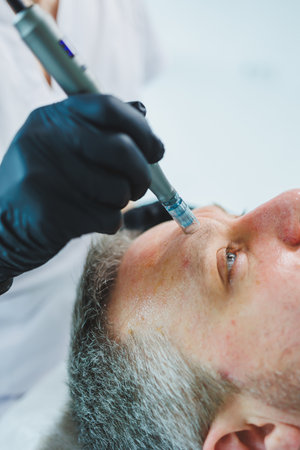
Introduction to Thread Lifts in British Aesthetics
Thread lifts have steadily emerged as a remarkable innovation within the landscape of non-surgical facial rejuvenation across the UK. As demand grows for subtle, natural-looking enhancements that avoid the downtime and risks associated with traditional surgery, thread lifts are captivating both practitioners and patients alike. This minimally invasive procedure—where specialised threads are gently inserted under the skin to lift and revitalise sagging tissues—has become increasingly popular in British aesthetic clinics, reflecting a wider shift towards procedures that offer immediate yet refined results. Drawing from my own experience witnessing transformations in London’s high street clinics, it is evident that thread lifts are not merely a passing trend but a significant development within British aesthetics. They represent a marriage of scientific advancement and the understated beauty valued by many Britons, who favour refreshed appearances over dramatic changes. As more individuals seek ways to restore their youthful contours without going under the knife, thread lifts stand at the forefront of this evolving movement, shaping the future of facial rejuvenation throughout the UK.
2. Cultural Attitudes Towards Ageing and Beauty in Britain
When it comes to facial rejuvenation, the British approach is shaped by a deeply-rooted appreciation for understated elegance and authenticity. Unlike more overt beauty trends seen elsewhere, people in the UK often value subtlety, preferring enhancements that preserve their individuality rather than dramatically alter it. This cultural nuance is especially relevant in the context of non-surgical treatments such as thread lifts, which offer gentle yet noticeable improvements without the telltale signs of intervention.
The British perspective on ageing is notably pragmatic. There’s an acceptance that growing older is a natural part of life, paired with a desire to age gracefully. Many patients seek solutions that help them look refreshed and well-rested rather than years younger. This philosophy drives a demand for minimally invasive procedures that deliver natural-looking results—something thread lifts are uniquely positioned to provide.
| Attitude | British Preference | Impact on Aesthetic Choices |
|---|---|---|
| Ageing | Graceful & Natural | Focus on subtle rejuvenation over dramatic change |
| Beauty Standards | Individuality & Authenticity | Personalised treatments tailored to unique features |
| Aesthetic Treatments | Discretion & Subtlety | Preference for non-surgical, low-downtime options like thread lifts |
This cultural inclination means that thread lifts have found a welcome place in British aesthetic medicine. The treatment appeals to those who want to maintain their personal charm while gently enhancing their appearance. In essence, it’s about looking like oneself—only fresher and more vibrant. Such nuanced expectations set the tone for practitioners, encouraging them to adopt a ‘less is more’ ethos and emphasise artistry and restraint in every procedure.

3. Thread Lifts Explained: Techniques and Materials
Thread lifts have carved a unique niche in British aesthetic medicine, especially among those seeking a subtle, natural enhancement without the downtime of surgery. In the UK, the most common thread lift techniques include the use of barbed or cog threads, which are gently inserted beneath the skin using fine needles. These threads provide an immediate lifting effect by physically repositioning sagging tissues while also stimulating collagen production for longer-term rejuvenation. The process is remarkably swift and can be comfortably performed in a clinic setting, making it ideal for busy Londoners or anyone keen to avoid an extended recovery period.
When it comes to materials, two main types prevail in British clinics: polydioxanone (PDO) and poly-L-lactic acid (PLLA). PDO threads have gained popularity for their safety profile and biodegradability—they gradually dissolve over six to nine months, leaving behind a scaffold of new collagen. PLLA threads, meanwhile, offer slightly longer-lasting results and are favoured by those looking for a more pronounced volumising effect. Both options are considered safe, with minimal risk of allergic reaction or visible scarring.
Compared to other non-invasive procedures such as dermal fillers and radiofrequency treatments, thread lifts offer a distinctive blend of immediate lift and progressive improvement. Fillers remain excellent for restoring lost volume but do not address skin laxity with the same precision as threads. On the other hand, energy-based devices excel at improving skin texture but often require multiple sessions before changes become apparent. Many British practitioners recommend combining thread lifts with other modalities for a comprehensive facial refresh—this bespoke approach has become something of a signature within UK clinics, reflecting our appreciation for tailored solutions that enhance rather than alter one’s natural beauty.
4. Current Trends in British Aesthetic Medicine
In recent years, the appetite for non-surgical facial rejuvenation has soared across the UK, with thread lifts emerging as a prominent choice for those seeking subtle yet effective results. Having observed this phenomenon both professionally and personally, I find it fascinating how rapidly public attitudes have shifted towards minimally invasive procedures. This surge is not just a fleeting trend but rather a reflection of broader societal changes driven by social media, celebrity influence, and evolving perceptions of beauty.
Growing Demand: The Numbers Tell the Story
The British market has witnessed a notable uptick in demand for thread lifts, outpacing traditional facelift surgeries. According to industry reports, clinics across London, Manchester, and Edinburgh have reported a 30-40% year-on-year increase in enquiries and bookings for thread lift treatments over the past two years. This shift is particularly pronounced among individuals who value natural-looking enhancements and minimal downtime—a sentiment echoed by many of my peers and clients alike.
Who’s Choosing Thread Lifts? A Snapshot of Patient Demographics
| Demographic | Key Characteristics | Motivations |
|---|---|---|
| Ages 35-55 | Urban professionals; balanced lifestyle seekers | Desire for mid-face rejuvenation without surgery or long recovery periods |
| Ages 25-34 | Social media savvy; early adopters | Prevention of early signs of ageing; subtle enhancement influenced by trends |
| Ages 55+ | Appearance-conscious retirees; experienced aesthetic clients | Maintaining youthful contours with less invasive methods than surgery |
The Power of Celebrity & Social Media Influence
The British aesthetic scene has been undeniably shaped by high-profile figures and celebrities who openly discuss their journeys with non-surgical treatments. Influencers such as Amanda Holden and various reality TV stars have normalised these conversations, making thread lifts feel both accessible and aspirational. My own experience echoes what many practitioners are witnessing—patients often arrive armed with Instagram screenshots or YouTube testimonials, eager to replicate the natural lift seen on their favourite personalities.
Cultural Nuances: The “British Subtlety” Factor
Unlike some international markets where dramatic transformations are celebrated, British patients tend to prefer understated elegance. The goal is not to look ‘done’, but rather refreshed—a sentiment I’ve noticed repeatedly during consultations. Social media certainly amplifies trends, but there remains a distinctly British preference for authenticity and grace in the world of aesthetics.
5. Patient Experience and Expectations
For many Britons seeking a refreshed appearance, the journey towards a thread lift begins with a desire for subtlety and natural enhancement. The British aesthetic sensibility often leans towards understated elegance—think less “dramatic change” and more “well-rested and healthy.” From personal conversations in London’s waiting rooms to private clinics in Manchester, a recurring theme is the wish to look revitalised without appearing ‘done.’
Personal Stories: Navigating the Decision
Take, for example, Helen, a 48-year-old solicitor from Surrey. She recounts her thread lift experience as “a gentle nudge back in time,” motivated by wanting to soften jowls and restore definition to her jawline before her daughter’s wedding. Like many British patients, Helen did thorough research, prioritising reputable practitioners who provided realistic outcomes over grand promises. Her journey illustrates how most people approach thread lifts here: methodically and with a healthy dose of scepticism.
The Typical Patient Journey
British patients usually start with an in-depth consultation, where practitioners listen closely to their concerns. There is a strong culture of informed consent; practitioners are expected to explain both benefits and limitations in plain English. Many clinics share before-and-after photos only upon request, reflecting the UK’s reserved attitude towards self-promotion. After the procedure, downtime is typically minimal—something particularly appealing for those balancing busy professional or family lives. Most people return to work within days, reporting only mild swelling or bruising.
Common Expectations: Realism Meets Refinement
Across the UK, expectations are grounded in realism. Patients commonly hope for modest lifting effects—elevated cheeks, reduced nasolabial folds, or a firmer jawline—without sacrificing facial mobility or individuality. Many see thread lifts as a bridge between injectables and surgical facelifts, offering noticeable yet subtle improvement. Satisfaction is highest among those who view thread lifts as part of a broader self-care routine rather than a dramatic transformation.
Ultimately, British patients value discretion, professionalism, and honest communication throughout their aesthetic journey. Their experiences reflect not only individual aspirations but also the broader trends shaping non-surgical facial rejuvenation across Britain.
6. Safety, Regulation, and the Future of Thread Lifts in the UK
Thread lifts have carved out a distinct niche in British aesthetic medicine, yet their continued success hinges on robust safety measures and clear regulatory frameworks. The UK’s approach to non-surgical facial rejuvenation is notably thorough, with the Care Quality Commission (CQC) and the General Medical Council (GMC) both playing crucial roles in maintaining high standards for patient care. All practitioners offering thread lifts must be appropriately trained and registered, ensuring that procedures are performed safely and ethically. Moreover, the British Association of Aesthetic Plastic Surgeons (BAAPS) and the Joint Council for Cosmetic Practitioners (JCCP) set guidelines that encourage transparency, informed consent, and ongoing professional development.
One uniquely British aspect is the emphasis on patient education—clients are encouraged to seek reputable clinics, verify practitioner qualifications, and discuss all potential risks before undergoing treatment. As a result, the public is becoming increasingly savvy about what to expect from thread lifts, from subtle enhancements to possible side effects such as swelling or bruising.
Looking ahead, it’s clear that innovation will continue to shape the future of thread lifts in the UK. We’re seeing a gradual shift towards even less invasive materials, improved dissolvable threads, and techniques tailored to the diverse needs of British patients. Regulatory bodies are also likely to evolve alongside these advancements, strengthening oversight while supporting responsible innovation.
For anyone considering a thread lift in Britain today, this landscape offers reassurance: strict regulation and a strong culture of safety put patient welfare front and centre. As more people seek natural-looking results without surgery, thread lifts are set to remain at the forefront of non-surgical facial rejuvenation—blending artistry with science for beautiful outcomes.

