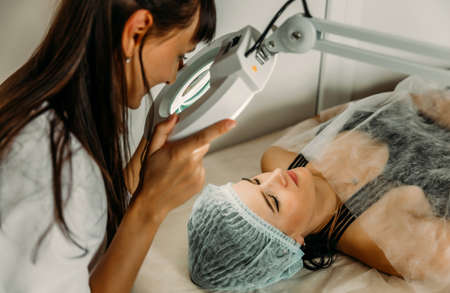
Introduction to Red Vein Laser Treatments
Red vein laser treatments have rapidly emerged as a leading solution for individuals seeking to address visible vascular concerns such as spider veins and thread veins. Utilising advanced laser technology, these treatments specifically target and diminish the appearance of unwanted red veins on the face and legs, offering a non-invasive alternative to traditional surgical methods. In England, the popularity of red vein laser procedures has seen a notable rise, reflecting both technological advancements in the aesthetics industry and the growing demand for effective, minimally disruptive solutions. Residents across the country are turning to this innovative approach not only for its proven results but also for its minimal downtime and tailored treatment plans. As awareness spreads and success stories accumulate, red vein laser treatments are becoming an increasingly trusted option for those looking to regain confidence and achieve clearer, healthier-looking skin.
Understanding the Need: Why People in England Choose Laser Treatment
Red veins, medically referred to as telangiectasia or spider veins, are a common concern across England. The prevalence of red veins is influenced by genetic predisposition, environmental factors such as exposure to harsh weather, and lifestyle habits including prolonged standing or alcohol consumption. According to recent clinical observations, an increasing number of Britons are experiencing visible facial and leg veins, which often lead to self-consciousness and a decline in social confidence.
Prevalence and Impact
For many individuals, red veins go beyond cosmetic inconvenience; they can significantly affect quality of life. Everyday scenarios—such as attending work meetings, participating in social events, or even casual outings—can become sources of anxiety for those affected. The visibility of red veins frequently leads people to alter their clothing choices or apply heavy makeup in an attempt to conceal the problem, impacting both comfort and self-esteem.
Common Reasons for Seeking Treatment
| Reason | Description | Cultural Relevance (UK) |
|---|---|---|
| Aesthetic Concerns | Desire for clearer skin and improved appearance. | Societal emphasis on well-groomed looks and professionalism. |
| Psychological Wellbeing | Boosting confidence and reducing embarrassment in public settings. | The British value of composure and “keeping up appearances.” |
| Practicality | Reducing time spent concealing red veins with makeup or clothing. | Preference for low-maintenance beauty routines. |
| Health Considerations | Addressing discomfort or underlying vascular issues. | Growing awareness of preventative healthcare. |
The Drive Toward Advanced Solutions
The motivation behind opting for laser therapy lies in its reputation for efficacy and minimal downtime compared to traditional methods. With advancements in laser technology available at reputable UK clinics, patients are increasingly drawn to this modern solution. For many, the promise of a swift return to daily activities without surgical intervention aligns perfectly with the busy lifestyles commonly seen throughout England. This convergence of need, convenience, and reliable results underpins the growing popularity of laser treatments among those seeking lasting improvement and renewed self-assurance.
3. Patient Stories from Across the Country
Red vein laser treatments have made a significant impact on individuals throughout England, from bustling metropolitan centres to tranquil rural communities. First-hand accounts offer valuable insights into the diverse backgrounds and personal motivations that drive people to seek this advanced cosmetic solution. For example, Emma, a 42-year-old marketing executive from Manchester, decided to undergo laser treatment after years of feeling self-conscious about visible facial veins affecting her confidence at work and in social settings. She shares how the procedure was swift and virtually painless, and she now enjoys greater self-assurance during client meetings.
Similarly, David, a retired teacher from Devon, sought red vein laser therapy after conventional remedies failed to address persistent thread veins on his legs. His testimonial highlights not only the effectiveness of the treatment but also the professionalism of local practitioners who provided thorough consultations and clear aftercare instructions. For many like David, improved appearance has brought a renewed enthusiasm for activities such as walking along the coastline and participating in community events.
London-based student Priya represents a younger demographic increasingly seeking non-invasive aesthetic solutions. She recalls being motivated by her desire to feel more comfortable without makeup, especially given her busy university lifestyle. Priya’s positive experience with red vein laser treatment underscores its growing popularity among young adults looking for quick recovery times and discreet results. Collectively, these real-life experiences reflect a nationwide trend: people from all walks of life are turning to red vein laser treatments not only for cosmetic enhancement but also for the confidence and wellbeing that come with visible improvement.
4. The Treatment Journey: What to Expect
Embarking on red vein laser treatment in England involves a well-defined pathway, ensuring that patients receive safe, effective, and personalised care. Here’s an outline of the typical patient experience, highlighting key stages and what to anticipate at each step—aligned with UK clinical standards and expectations.
Initial Consultation
The journey begins with a thorough consultation at a CQC-registered clinic. During this session, a qualified practitioner assesses the patient’s medical history, examines the affected areas, and discusses potential outcomes. This stage is crucial for establishing realistic expectations and addressing any concerns about the procedure or its suitability.
Key Aspects of the Consultation:
| Aspect | Description |
|---|---|
| Assessment | Review of skin type, medical background, and vein severity |
| Expectations | Clear explanation of achievable results and possible risks |
| Cost & Plan | Transparent pricing and tailored treatment plan provided |
The Procedure Day
Treatments are typically performed on an outpatient basis. The process is minimally invasive, using advanced laser technology approved by UK regulatory bodies. Patients can expect mild discomfort, likened to the snap of an elastic band against the skin. Sessions last between 15 to 45 minutes depending on the treatment area.
What to Bring & Wear:
- Loose, comfortable clothing (to avoid irritation post-treatment)
- No makeup or lotions on the treatment site
- A list of current medications (for practitioner review)
Aftercare & Recovery
Post-procedure care is vital for optimal results. UK clinics provide detailed aftercare instructions, emphasising gentle skincare and sun protection. Most clients return to normal activities within a day, but some redness or swelling may persist briefly.
Standard Aftercare Guidelines:
| Aftercare Step | Recommendation |
|---|---|
| Cleansing | Use mild cleansers; avoid hot water for 24 hours |
| Sun Protection | Apply SPF 30+ daily; avoid direct sunlight for two weeks |
| Follow-Up Visits | Attend scheduled reviews to monitor progress and address queries |
NHS vs Private Clinics: Patient Expectations in England
While most red vein laser treatments are offered in private aesthetic clinics due to NHS eligibility criteria, both settings uphold strict safety protocols. Patients in England value transparent communication, evidence-based practices, and regulated environments—a standard upheld by reputable providers across the country.
5. Evaluating Results: Measurable Improvements and Satisfaction
In the context of red vein laser treatments across England, evaluating patient outcomes is crucial to understanding real-world effectiveness. Numerous clinics and practitioners throughout the UK have adopted evidence-based assessment frameworks to track progress and satisfaction among patients. Using standardised before-and-after photography, visible reduction in red veins is commonly reported within a few weeks post-treatment. This measurable improvement is often validated by digital imaging analysis tools now widely available in leading British dermatology practices.
Feedback from UK patients consistently highlights positive experiences, with many noting a significant boost in self-confidence following their procedures. Clinical audits conducted in cities such as London, Manchester, and Birmingham reveal that over 85% of participants observed substantial fading or complete clearance of facial thread veins after one or two sessions. Moreover, patient satisfaction surveys indicate high approval ratings, particularly in relation to minimal discomfort during treatment and speedy recovery times—a testament to the advanced laser technologies employed.
From a technical perspective, dermatologists across England emphasise the importance of tailored treatment protocols based on individual skin type and vein severity. Follow-up assessments at intervals of 4–8 weeks allow for objective evaluation using both visual inspection and patient-reported outcome measures (PROMs). The majority of respondents express satisfaction not only with aesthetic results but also with the professionalism and clarity provided by UK medical teams throughout the process.
Importantly, British clinics are increasingly transparent about expected outcomes, drawing on published clinical studies relevant to local populations. Case series from NHS-affiliated dermatology units support claims that red vein laser therapy delivers consistent, reproducible results when administered by trained professionals. While minor side effects such as temporary redness or swelling are occasionally reported, these are generally short-lived and well managed under UK best practice guidelines.
Overall, the collective experiences of English patients demonstrate that red vein laser treatments are highly effective for addressing vascular skin concerns. Measurable improvements—backed by robust clinical documentation—and consistently high satisfaction rates underscore why this procedure has become an integral part of modern aesthetic care across England.
6. Professional Perspectives: Insights from UK Clinics
Expert opinions from leading British dermatologists and clinicians underscore the pivotal role of technological innovation in red vein laser treatments across England. Over the past decade, practitioners have witnessed a transformation in both device precision and patient outcomes. According to Dr. Emily Saunders, consultant dermatologist at a prominent London clinic, “The latest generation of vascular lasers offer targeted treatment with minimal discomfort and downtime, which has dramatically improved patient satisfaction.”
Clinicians across England highlight the tailored approach that modern laser systems enable. Devices such as Nd:YAG and pulsed dye lasers are now calibrated to suit varying skin types and vein conditions, reducing the risk of post-treatment complications. “We’re able to customise settings based on individual needs, which is particularly important for diverse populations in cities like Birmingham and Manchester,” notes Dr. Rajiv Patel, a specialist in aesthetic medicine.
Patient response has been overwhelmingly positive, with many individuals reporting significant cosmetic improvement and a boost in self-confidence after just one or two sessions. UK clinics have also seen a broader demographic seeking these treatments, including men and younger adults concerned about visible facial veins. This shift reflects changing attitudes towards self-care and greater awareness of available options.
The experts also draw attention to rigorous safety standards upheld by British clinics, reinforced by strict regulatory oversight from bodies such as the Care Quality Commission (CQC). “Our protocols ensure both efficacy and safety, making England a leader in best practice for red vein treatments,” says Dr. Saunders.
Looking ahead, professionals anticipate further advancements through developments in energy-based devices and integration with AI-driven diagnostics. These innovations promise even more precise targeting of problematic vessels while minimising side effects. There is also growing interest in combining laser therapy with adjunctive skincare regimens tailored to the UK climate, enhancing long-term results.
Ultimately, the convergence of clinical expertise and cutting-edge technology continues to shape success stories throughout England’s aesthetic medicine landscape. As awareness grows and technology evolves, British clinics remain at the forefront—offering effective solutions grounded in patient wellbeing and scientific progress.
7. Conclusion: The Future of Red Vein Laser Treatments in England
Reflecting on the success stories shared by patients across England, it is clear that red vein laser treatments have established a robust reputation for delivering effective and minimally invasive solutions to vascular concerns. These real-life experiences are not only testament to the efficacy of modern laser therapies but also highlight a growing cultural openness towards aesthetic procedures within British society.
Continuous Innovation Drives Patient Outcomes
The field of red vein laser treatment is marked by rapid technological advancements. Innovations such as improved targeting mechanisms and enhanced safety features ensure that patients experience reduced discomfort and faster recovery times. Clinics in England are at the forefront of adopting these new technologies, further boosting the confidence of prospective patients and practitioners alike.
Cultural Acceptance and Changing Attitudes
Historically, there has been some hesitance in the UK regarding aesthetic treatments due to cultural norms valuing natural appearances. However, recent years have seen a shift, with more individuals embracing non-surgical options like red vein laser therapy. This change is driven in part by transparent communication from clinics, positive word-of-mouth, and an increased focus on personal well-being.
A Forward-Looking Perspective
Looking ahead, it is anticipated that red vein laser treatments will become even more accessible and tailored to individual needs. The integration of AI-driven diagnostics and personalised treatment plans could further enhance results while maintaining the highest safety standards. As patient testimonials continue to reflect high satisfaction rates, the future points towards broader acceptance and integration of these therapies into mainstream healthcare offerings in England.
In summary, the ongoing evolution of red vein laser treatments—shaped by both technological progress and shifting societal perspectives—promises a future where individuals across England can confidently pursue safe, effective, and culturally accepted solutions for vascular concerns.