1. Introduction: Understanding Radiofrequency Treatments in the UK
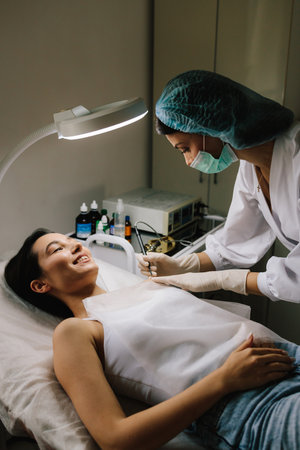
Radiofrequency (RF) therapies have become a buzzword across British clinics and aesthetic centres, thanks to their non-invasive approach and impressive results. This technology, which uses energy waves to heat the deeper layers of skin, is commonly employed for tightening skin, reducing wrinkles, and even stimulating collagen production. Over recent years, RF treatments have steadily gained popularity among both medical professionals and patients in the UK. The reason? They promise visible improvements with minimal downtime—a perfect fit for the busy, modern British lifestyle. As more Britons seek subtle yet effective enhancements, RF therapies are increasingly integrated into routine beauty and health regimes. However, what truly sets RF apart is its versatility; it can be safely combined with other treatments to achieve personalised results tailored to individual needs. In this article, we explore how British patients can benefit most from combining radiofrequency with other cutting-edge procedures, and what factors should be considered to ensure optimal outcomes within the unique context of UK aesthetics.
Popular Combination Therapies Among British Patients
When it comes to achieving the most effective skin rejuvenation results, British patients are increasingly exploring combination therapies that incorporate radiofrequency (RF) with other advanced treatments. The motivation behind this trend is simple: combining modalities often delivers superior, longer-lasting improvements tailored to individual concerns and UK skin types. Below, we explore some of the most popular treatment pairings and how they cater to local preferences.
Microneedling and Radiofrequency: A Synergistic Approach
Microneedling, particularly when paired with RF, has gained a loyal following across Britain. This dynamic duo targets both the surface and deeper layers of the skin. While microneedling creates micro-injuries that stimulate collagen production, RF energy further boosts tightening and firming from within. British patients value this combination for addressing acne scars, fine lines, and overall skin texture—concerns often exacerbated by the UKs temperate climate and fluctuating weather.
Injectables: Enhancing Natural Results
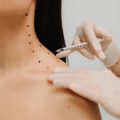
Another sought-after pairing involves combining RF treatments with injectables like dermal fillers or anti-wrinkle injections. Many British clients appreciate subtlety and natural-looking enhancements, so practitioners frequently recommend RF sessions to tighten skin before strategically adding volume or smoothing lines with injectables. This sequence not only prolongs results but also minimises downtime—a key consideration for busy lifestyles in cities like London or Manchester.
Personalised Skincare Routines
The British approach to skincare is thoughtful and personalised. Local clinics often tailor post-RF skincare regimens to support healing and optimise outcomes. Moisturisers rich in ceramides, gentle cleansers, and broad-spectrum SPF are commonly recommended, reflecting an awareness of the UK’s variable sunlight exposure and pollution levels. These routines are designed to complement professional treatments while fitting seamlessly into everyday life.
Comparison of Popular RF Combination Therapies in the UK
| Treatment Pairing | Main Benefits | Ideal For | Typical Aftercare |
|---|---|---|---|
| RF + Microneedling | Collagen boost, scar reduction, improved texture | Acne scarring, fine lines, enlarged pores | Hydration, soothing serums, SPF protection |
| RF + Injectables | Smoother skin, enhanced volume, natural lift | Mature skin, loss of elasticity, early ageing signs | Avoid heavy makeup post-treatment, gentle cleansing |
| RF + Tailored Skincare Regimen | Optimised healing, prolonged results, barrier support | Sensitive skin types, maintenance post-procedure | Ceramide-rich moisturisers, antioxidant serums |
A Culture of Informed Choices
The rise of these combination therapies among British patients reflects a culture that values informed decision-making and subtle refinement over drastic changes. Whether seeking out multi-modality solutions for specific issues or prioritising long-term skin health with ongoing care routines, UK clients continue to set trends that blend innovation with a deep respect for natural beauty.

3. Tailoring Treatments to British Skin Types and Concerns
When it comes to combining radiofrequency (RF) with other aesthetic treatments, clinicians across the UK recognise that a one-size-fits-all approach simply doesn’t work—especially given the diversity of British skin types and the unique challenges posed by the local environment. British patients often present with specific concerns such as heightened skin sensitivity, varying degrees of pigmentation, and issues caused by fluctuating weather conditions, pollution, and even the stress of urban living.
Experienced practitioners in Britain therefore take great care in customising RF combination therapies. For instance, for those with fair or sensitive skin—a common trait among British individuals—clinicians might opt for lower RF energy levels paired with gentle hydrating infusions or calming serums to minimise irritation. This helps maintain the delicate skin barrier while still providing the rejuvenating benefits of RF technology.
Pigmentation concerns are another frequent issue, particularly among those who have experienced sun exposure during holidays abroad or who have naturally uneven skin tone. In these cases, UK specialists often combine RF with targeted light-based therapies or topical antioxidants designed specifically for European skin. These carefully chosen combinations help fade pigmentation without causing undue stress or inflammation.
Finally, environmental factors play a significant role in treatment planning. The British climate can be harsh on the skin—think cold winds in winter and unpredictable humidity throughout the year. Clinicians respond by integrating deeply moisturising treatments or barrier-repairing protocols alongside RF sessions, ensuring patients not only see cosmetic improvements but also feel genuinely cared for and supported in their daily skin health.
This thoughtful, individualised approach is what sets British aesthetic practice apart: it’s about respecting each patient’s uniqueness and blending advanced technologies like radiofrequency with supplementary therapies that address both visible concerns and underlying causes—all within the context of everyday life in the UK.
4. Clinical Outcomes and Patient Satisfaction in the UK
In recent years, British patients have shown growing interest in radiofrequency (RF) therapies, especially when combined with other aesthetic treatments. According to several UK-based clinics and national patient surveys, satisfaction rates have notably increased when RF is paired with complementary procedures such as microneedling, injectables, or laser resurfacing.
Recent Data on Effectiveness
Clinical outcomes reported by practitioners across the UK reveal that combination therapies often lead to more visible improvements in skin texture, firmness, and overall appearance. For example, a 2023 survey conducted among London clinics showed:
| Treatment Type | Average Improvement (%) | Satisfaction Rate (%) |
|---|---|---|
| Radiofrequency Alone | 45 | 72 |
| RF + Microneedling | 62 | 89 |
| RF + Injectables | 55 | 83 |
| RF + Laser Resurfacing | 60 | 87 |
Patient Feedback and Real-World Experiences
The feedback from British patients highlights not only improved physical results but also enhanced self-confidence and well-being. Many report that combining treatments feels like a tailored approach—something they value highly. A common sentiment is that while RF alone offers good results, blending it with other technologies provides a more comprehensive rejuvenation experience.
The Importance of Personalisation for UK Patients
British patients consistently emphasise the importance of personalised care and clear communication about expected outcomes. They appreciate when practitioners take time to explain the rationale behind combining treatments and offer honest guidance based on their unique skin type and goals. This collaborative approach fosters greater trust and leads to higher overall satisfaction.
5. Safety, Regulations, and Aftercare Considerations
When considering the combination of radiofrequency (RF) treatments with other therapies in the UK, safety and adherence to national regulations are absolutely paramount. The Care Quality Commission (CQC) oversees many non-surgical aesthetic treatments, ensuring clinics meet strict standards for hygiene, equipment maintenance, and practitioner qualifications. It is essential for British patients to verify that their chosen clinic is registered with relevant regulatory bodies and that practitioners hold certifications recognised by UK professional associations such as the British Association of Dermatologists or the Joint Council for Cosmetic Practitioners.
Combining RF with treatments like microneedling, dermal fillers, or chemical peels requires precise protocols to minimise risks such as burns, hyperpigmentation, or prolonged inflammation. Clinics in the UK must follow evidence-based guidelines tailored to these advanced procedures, often outlined by the National Institute for Health and Care Excellence (NICE). This means a thorough pre-treatment assessment is standard practice, with a focus on patient history, skin type, and any contraindications specific to combined approaches.
Aftercare is just as crucial as the procedure itself. British clinics typically recommend gentle cleansing routines, high-factor broad-spectrum sunscreen (particularly vital due to the unpredictable UK weather), and temporary avoidance of harsh skincare products or heat exposure following treatment. Clear communication between patient and practitioner is encouraged—don’t hesitate to ask for written aftercare instructions or clarification about recovery timelines.
Ultimately, successful outcomes depend on choosing reputable providers who prioritise patient wellbeing through compliance with UK regulations and best practices. By staying informed about local safety standards and embracing diligent aftercare, British patients can confidently pursue combination RF treatments with peace of mind and optimal results.
6. Expert Advice: Choosing the Right Combination for You
When it comes to combining radiofrequency with other aesthetic treatments, British patients are best served by seeking guidance from experienced UK practitioners. Every individual’s skin is unique, and what works brilliantly for one person might not suit another. Local dermatologists and aesthetic specialists recommend a personalised approach—one that takes into account your skin type, age, lifestyle, and specific concerns. For example, those with sensitive or fair British complexions may require gentler protocols or adjusted frequencies to avoid irritation. Practitioners often conduct thorough consultations, assessing factors such as sun exposure habits (especially relevant in the UK’s variable climate), existing skincare routines, and any underlying health conditions. They might also discuss your expectations and long-term goals, ensuring that the chosen combination of treatments—whether radiofrequency with microneedling, injectables, or topical therapies—aligns seamlessly with your lifestyle. By entrusting your care to reputable UK professionals who prioritise safety and tailored treatment plans, you empower yourself to make confident decisions that deliver natural-looking results while safeguarding your skin’s health.