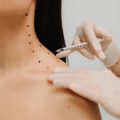
Introduction to Microneedling and NHS Guidance
Microneedling, also referred to as collagen induction therapy, has gained popularity across the UK as a minimally invasive cosmetic and dermatological treatment. The procedure involves the use of fine needles to create controlled micro-injuries in the skin, which stimulates the body’s natural wound-healing processes and encourages the production of collagen and elastin. This technique is commonly employed to address concerns such as acne scarring, fine lines, enlarged pores, and general skin texture improvements. As interest in microneedling grows, it is important for individuals seeking this treatment to be aware of both professional standards and safety recommendations set out by trusted bodies such as the NHS.
The NHS provides clear guidance regarding non-surgical cosmetic procedures like microneedling. While these treatments are widely available at private clinics throughout the UK, the NHS emphasises the importance of choosing qualified practitioners who adhere to stringent hygiene and safety protocols. According to NHS recommendations, prospective patients should thoroughly research their chosen clinic or practitioner, ensuring they are registered with an appropriate professional body and have robust infection control measures in place. Although microneedling is generally considered safe when performed by trained professionals, complications can arise if proper preparation and aftercare are neglected. Thus, understanding NHS guidelines before undergoing microneedling is crucial for achieving optimal results while minimising health risks.
2. Pre-Treatment Preparation
Proper preparation is crucial to ensure both the safety and efficacy of your microneedling session. Adhering to NHS guidance, several important steps should be followed before undergoing this skin treatment in the UK. Below is a detailed overview of recommended pre-treatment considerations, including skincare routines, medication adjustments, and lifestyle factors.
Skincare Guidelines
The NHS advises that patients refrain from using active skincare ingredients that could sensitise or irritate the skin prior to their appointment. This includes discontinuing products containing retinoids, alpha hydroxy acids (AHAs), beta hydroxy acids (BHAs), and vitamin C serums at least 48 hours before treatment. Gentle cleansing and moisturising are encouraged to maintain skin barrier health.
Recommended Skincare Adjustments Before Microneedling
| Product Type | Action | Timeframe Before Session |
|---|---|---|
| Retinoids (e.g., tretinoin) | Stop use | 48-72 hours |
| AHAs/BHAs (e.g., glycolic acid) | Stop use | 48 hours |
| Vitamin C serums | Stop use | 48 hours |
| Gentle cleanser/moisturiser | Continue use | No restriction |
| Sunscreen (SPF 30+) | Continue use daily | No restriction |
Medication Considerations
Certain medications may increase the risk of bleeding or interfere with healing. The NHS recommends informing your practitioner about any prescribed or over-the-counter medicines you are taking. Specifically, blood-thinning medications such as aspirin or warfarin may require special consideration; always consult your GP before making any changes. Avoid non-steroidal anti-inflammatory drugs (NSAIDs) like ibuprofen for at least 24 hours prior to your session unless advised otherwise by a healthcare professional.
Lifestyle Factors Relevant for UK Patients
- Avoid Sun Exposure: Reduce sun exposure and do not use tanning beds for at least one week before treatment. Use broad-spectrum sunscreen if outdoors.
- No Waxing or Hair Removal: Refrain from waxing, threading, or using depilatory creams on the treatment area for at least 5-7 days beforehand.
- Avoid Alcohol and Smoking: Minimise alcohol consumption and avoid smoking for 24-48 hours prior to treatment to support optimal circulation and healing.
- Stay Hydrated: Drink plenty of water in the days leading up to your appointment.
- Mental Preparation: If you feel anxious, discuss your concerns with your practitioner, who can offer reassurance and information according to NHS standards.
NHS-Approved Pre-Treatment Checklist for Microneedling Patients in the UK
- No recent sunburn or active skin infections on treatment area.
- No recent facial procedures such as chemical peels or laser treatments within two weeks.
- No use of blood-thinning medications without medical advice.
- No open wounds or cuts on the skin to be treated.
- Aware of the importance of aftercare (covered in later sections).
Following these guidelines helps ensure you are well-prepared for microneedling, reducing the risk of complications and optimising results in line with current NHS best practices for UK patients.

3. Informed Consent and Safety
Ensuring patient safety and legal compliance is paramount when performing microneedling, and this begins with obtaining informed consent in line with NHS guidelines. Patients must be fully briefed on the nature of the procedure, its potential risks, expected outcomes, and any alternative options available. This transparent dialogue not only empowers patients to make educated decisions about their care but also fosters trust between practitioner and patient.
Professional standards require that practitioners assess each individual’s suitability for microneedling by conducting thorough pre-treatment consultations. These should include an evaluation of medical history, skin type, and any contraindications such as active skin infections or certain chronic conditions. By adhering to NHS protocols, practitioners demonstrate a commitment to maintaining high standards of clinical governance and duty of care.
Safety checks are integral throughout the process. Prior to treatment, all equipment must be sterilised and single-use needles confirmed. Practitioners should use appropriate personal protective equipment (PPE) and maintain a hygienic environment as recommended by NHS infection control policies. Clear documentation of each stage—including consent forms, treatment notes, and post-procedure advice—ensures both traceability and accountability.
Ultimately, meticulous attention to informed consent and safety safeguards not only protect patient well-being but also uphold professional credibility and comply with UK regulatory requirements. This systematic approach aligns closely with NHS values, promoting both ethical practice and positive patient experiences within the aesthetics sector.
4. What to Expect During the Procedure
Understanding what happens during a microneedling session can help alleviate concerns and set clear expectations. In accordance with NHS guidelines and standard UK clinical practices, here’s a step-by-step overview of a typical microneedling appointment:
Step-by-Step Breakdown
| Step | Description | UK Clinical Notes |
|---|---|---|
| 1. Initial Consultation | Your practitioner will review your medical history, skin type, and treatment goals. | This is essential for patient safety and aligns with NHS emphasis on individual assessment. |
| 2. Skin Preparation | The skin is thoroughly cleansed to remove makeup, oils, and bacteria. | Clinics often use antiseptic cleansers as per NHS infection control guidance. |
| 3. Numbing Cream Application | A topical anaesthetic is applied to minimise discomfort during the procedure. | NHS standards recommend waiting 20–30 minutes for optimal effect. |
| 4. Microneedling Process | The practitioner uses a sterile device to create controlled micro-injuries in the skin. | Sterile, single-use needles are used in line with UK health regulations. |
| 5. Post-Treatment Care | The treated area may be cooled and a soothing serum or mask applied. | Practitioners provide aftercare advice consistent with NHS recommendations. |
| 6. Discussion of Aftercare | You’ll receive tailored instructions on how to care for your skin at home. | This includes signs of infection to watch for and when to contact your provider. |
Sensations and Comfort Levels
Most patients report a tingling or mild scratching sensation during microneedling, especially once the numbing cream takes effect. Your practitioner should check in with you throughout the procedure to ensure your comfort, making adjustments as needed—an approach emphasised by NHS patient care protocols.
Duration of Appointment
The full appointment typically lasts between 45 minutes to an hour, depending on the area being treated and the required preparation time. The actual microneedling itself usually takes 20-30 minutes.
Patient Safety Measures
To ensure your wellbeing, practitioners in the UK are expected to adhere strictly to infection prevention measures: using gloves, disposable needle cartridges, and maintaining a sterile environment throughout the process as detailed in NHS guidelines. These steps greatly reduce any risk of complications or cross-contamination.
If you have questions or feel uncomfortable at any stage, do not hesitate to speak up—open communication is encouraged by all reputable UK clinics following NHS best practice recommendations.
5. Aftercare Instructions Following NHS Recommendations
Comprehensive aftercare is essential to ensure optimal results and minimise risks following microneedling. According to NHS guidance, adhering to specific post-treatment routines and monitoring for side effects are crucial steps in the recovery process.
Skincare Routines Post-Microneedling
For the first 24-48 hours post-procedure, it is recommended to keep the skin clean and avoid applying makeup or perfumed products. Use a gentle, fragrance-free cleanser and apply a lightweight, non-comedogenic moisturiser to maintain hydration. Sun protection is particularly important; wearing a broad-spectrum SPF 30 or higher is advised, as the skin will be more sensitive to UV exposure during the healing period.
Managing Typical Side Effects
Mild redness, swelling, and a tight sensation are common immediately after microneedling and can persist for up to 48 hours. Applying a cool compress can help alleviate discomfort. Avoid picking at or scratching the treated area to prevent infection. Over-the-counter paracetamol may be used if mild pain occurs, but NSAIDs such as ibuprofen should be avoided unless otherwise directed by a healthcare professional, as they might interfere with the body’s natural healing response.
Signs That Warrant Medical Attention
While most reactions are mild and self-limiting, it is important to monitor for signs of complications. Seek prompt medical advice if you experience severe or persistent swelling, blistering, intense pain, or pus discharge from the treated area. Additionally, symptoms such as fever or chills could indicate an infection requiring further intervention. Following these NHS recommendations helps safeguard your health and supports effective recovery after microneedling.
6. When to Seek Professional Help
While microneedling is generally safe when performed correctly, it is crucial to recognise when post-procedure symptoms may signal complications that require professional intervention. According to NHS guidance, mild redness, swelling, and sensitivity are common in the initial days following treatment. However, if you experience any of the following, it is important to seek medical advice promptly:
Signs of Infection
Persistent redness, warmth, severe swelling, or pain that worsens after 48 hours could indicate infection. The presence of pus, yellow crusting, or an unpleasant odour at the treated site are also warning signs. In these cases, contact your GP for assessment and potential antibiotic treatment.
Allergic Reactions
If you develop hives, widespread rash, intense itching, or facial swelling after microneedling, this could be an allergic response to topical products used during or after the procedure. Cease use of all products and consult your GP for further advice.
Emergency Symptoms
Certain reactions warrant immediate emergency care. If you have difficulty breathing, chest tightness, swelling of the lips or tongue, or feel faint, call 999 or visit A&E without delay. These symptoms may indicate a serious allergic reaction (anaphylaxis) and require urgent attention.
Other Concerns
Delayed wound healing, scarring, or persistent skin discolouration are uncommon but possible side effects. For ongoing issues beyond a week post-treatment or for concerns about cosmetic outcomes, arrange a review with your GP or a qualified dermatologist familiar with UK standards of care.
Summary: NHS-Recommended Action Steps
- Contact your GP for worsening pain, swelling, redness, discharge, or signs of infection.
- Seek emergency help for severe allergic reactions or breathing difficulties.
- Report persistent or unusual symptoms not improving as expected.
Your safety is paramount; prompt recognition and response to complications ensures the best possible outcome in line with NHS guidelines for microneedling aftercare.