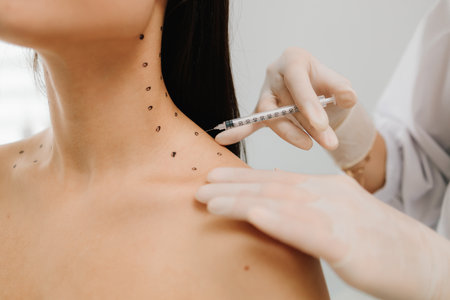
Introduction: The Allure of Aesthetic Enhancements
In recent years, the United Kingdom has witnessed a remarkable surge in the demand for aesthetic procedures. From non-surgical treatments like dermal fillers and Botox to more invasive cosmetic surgeries, an increasing number of Britons are seeking ways to enhance their appearance and boost self-confidence. This trend is not confined to celebrity circles or urban elites; it has permeated mainstream society, fuelled by social media influences and evolving beauty standards. As these procedures become more accessible and socially accepted, a parallel conversation has emerged regarding their potential for psychological dependence. Are people genuinely at risk of becoming “addicted” to aesthetic enhancements, or is this concern exaggerated by sensationalist headlines? This article delves into the heart of this public discourse, aiming to separate fact from fiction and provide a balanced perspective on the supposed addictive nature of cosmetic interventions.
Understanding Aesthetic Procedures: What Brits Are Opting For
The UK has witnessed a notable surge in demand for aesthetic procedures, reflecting not only changing beauty ideals but also advancements in medical technology. To contextualise the debate around dependence and addiction, it is crucial to first understand what treatments are most popular among Britons and how these fit into the broader cultural landscape.
Minimally Invasive Treatments: The New Normal
Non-surgical cosmetic interventions have rapidly gained traction across the UK, appealing to those seeking subtle enhancements with minimal downtime. These procedures typically involve fewer risks and shorter recovery periods compared to traditional surgery. Below is an overview of popular minimally invasive options:
| Treatment | Description | Popularity in the UK |
|---|---|---|
| Botox | Injectable neurotoxin that reduces fine lines and wrinkles | Highly sought-after, especially among those aged 30–50 |
| Dermal Fillers | Hyaluronic acid-based injections to restore volume or contour facial features | Widely used for lips, cheeks, and jawline enhancement |
| Chemical Peels | Exfoliating treatment to improve skin texture and tone | Increasingly common in urban clinics and salons |
| Laser Skin Resurfacing | Uses focused light to address pigmentation, scarring, and signs of ageing | Growing popularity due to advancements in technology |
| Microneedling | Stimulates collagen production for rejuvenation and scar reduction | A favourite among millennials for its natural results |
Surgical Interventions: Still in Demand?
While non-surgical procedures dominate headlines, surgical options remain relevant—particularly for those seeking more dramatic or long-lasting results. Popular choices include rhinoplasty (nose reshaping), breast augmentation, liposuction, and facelifts. Although these require longer recovery times and higher upfront costs, they appeal to individuals looking for transformative changes.
Cultural Influences on Aesthetic Choices in Britain
The British approach to cosmetic enhancement tends towards subtlety. There is a prevailing preference for natural-looking results over overt alterations—a trend shaped by local attitudes towards modesty and authenticity. This distinguishes UK trends from some global counterparts, such as the more dramatic aesthetic preferences sometimes seen in the United States.
Technological Trends Driving Uptake
The rise of digital consultations, improved safety protocols, and innovative products has made aesthetic procedures more accessible than ever before. Clinics are now catering to a wider demographic range, including men and older adults, signalling a broadening acceptance across British society.
3. Examining the Addiction Narrative: Separating Fact from Fiction
The notion that aesthetic procedures are inherently addictive has gained traction in public discourse, but a closer examination reveals a more nuanced reality. Medical and psychological research conducted in the UK consistently highlights that while some individuals may seek repeated cosmetic enhancements, this behaviour does not equate to clinical addiction. Unlike substance misuse, where clear physiological dependence develops, aesthetic treatments rarely trigger the same neurochemical pathways associated with addiction. Leading UK health professionals point out that most patients approach aesthetic interventions with realistic expectations and under strict medical guidance. Furthermore, the British Association of Aesthetic Plastic Surgeons emphasises thorough psychological assessments before any procedure, ensuring that underlying mental health conditions such as Body Dysmorphic Disorder (BDD) are identified and managed appropriately. Current studies suggest that only a small minority of individuals display compulsive tendencies, often rooted in pre-existing psychological vulnerabilities rather than the treatments themselves. Therefore, conflating aesthetic procedures with addiction not only misrepresents the science but also risks stigmatising those who benefit from responsible cosmetic care.
4. Cultural Drivers: The Role of British Media, Social Influence, and Societal Expectations
The UK’s relationship with aesthetic procedures is deeply intertwined with cultural touchpoints, where media, social influencers, and longstanding societal expectations converge to shape public opinion and individual decisions. While the debate around potential ‘addiction’ to cosmetic treatments persists, it is crucial to dissect how distinctly British factors contribute to both the perception and uptake of these services.
Media Portrayal: A Double-Edged Sword
British media outlets—ranging from the BBC to popular tabloids—play a pivotal role in framing aesthetic enhancements. On one hand, investigative documentaries and health segments often highlight potential risks and ethical considerations, reinforcing caution among viewers. On the other, celebrity culture and reality TV shows such as “Love Island” frequently normalise or glamorise non-surgical tweaks. This duality can create a complex narrative that oscillates between stigma and aspiration.
The Influencer Effect: Shaping Aspirations in the Digital Age
Social media influencers in the UK wield significant power over beauty trends, especially on platforms like Instagram and TikTok. These digital personalities often share their personal experiences with fillers or anti-wrinkle injections, which can demystify procedures but also inadvertently set new beauty standards. Unlike traditional celebrities, influencers are perceived as more relatable, increasing their persuasive impact on followers’ choices regarding aesthetic treatments.
Key Channels of Influence
| Source | Influence Mechanism | Typical Audience Response |
|---|---|---|
| Television (BBC, ITV) | Documentaries & Reality Shows | Cautious interest / Aspiration |
| Tabloid Press (The Sun, Daily Mail) | Sensationalism & Celebrity Coverage | Heightened curiosity / Scrutiny |
| Social Media Influencers | Personal Testimonials & Tutorials | Mimicry / Normalisation of Procedures |
| Peer Networks | Word-of-Mouth Recommendations | Trust-driven Uptake |
Societal Expectations: The Subtle Pressure to Conform
The UK’s societal landscape carries its own nuanced pressures when it comes to appearance. Traditionally reserved attitudes may foster discretion around aesthetic procedures; however, there is an undercurrent of expectation—especially in professional and social circles—to maintain a ‘well-groomed’ look. The rise of remote work and video conferencing has further amplified self-scrutiny, with many Britons seeking minimally invasive treatments to appear refreshed rather than radically altered.
Navigating Perception vs. Reality
It is essential to distinguish between genuine interest in self-improvement and perceived dependency fuelled by external influence. While British media and cultural norms undeniably shape demand for aesthetic enhancements, this does not equate to addiction. Rather, it highlights a collective negotiation between modern ideals and traditional values—a dynamic unique to the UK context.
5. Psychological Considerations: Who Is Really at Risk?
When discussing whether aesthetic procedures are addictive, it is essential to delve into the psychological factors that underpin individuals’ choices. In the UK context, body image concerns and self-esteem issues are increasingly prevalent, influenced by both social media and popular culture. However, it is important to differentiate between healthy self-improvement and genuine dependency.
Body Image and Self-Esteem in British Society
For many people seeking cosmetic enhancements, the motivation is often rooted in a desire to boost confidence or address specific insecurities. While British attitudes historically leaned towards modesty regarding appearance, contemporary trends show a growing acceptance of personal enhancement. This shift has prompted more open conversations about self-image and mental well-being.
Healthy Self-Improvement vs Dependency
The key psychological distinction lies in intent and behaviour. Healthy self-improvement involves making considered choices to enhance one’s appearance, often after thoughtful reflection and consultation with professionals. Such individuals typically maintain realistic expectations and feel satisfied with the outcomes of their treatments.
Conversely, those at risk of dependency may display signs of Body Dysmorphic Disorder (BDD) or experience ongoing dissatisfaction despite multiple procedures. Here, aesthetic interventions become a coping mechanism for deeper emotional distress rather than a means of self-care. In rare instances, this can lead to a cycle where no amount of intervention alleviates underlying anxieties.
Identifying Those at Genuine Risk
Clinicians in the UK are increasingly vigilant about assessing psychological readiness before proceeding with elective procedures. Screening for BDD or other mental health conditions is now standard practice in reputable clinics. By fostering an environment where clients feel supported—rather than judged—the industry can help ensure that cosmetic treatments contribute positively to well-being without fuelling unhealthy dependencies.
Ultimately, while there are individuals who may be vulnerable to developing an unhealthy relationship with aesthetic procedures, the majority engage with these treatments as part of balanced self-care routines. Understanding this nuanced landscape is crucial for debunking the myth that aesthetic procedures are inherently addictive.
6. Policy, Regulation, and Professional Ethics in the UK Aesthetic Industry
The UK aesthetic industry operates within a tightly governed regulatory framework designed to safeguard clients’ well-being and prevent any risk of dependency or unethical practice. The Care Quality Commission (CQC) oversees clinics providing regulated activities, ensuring practitioners meet essential standards of safety and quality. Non-surgical procedures, such as fillers and Botox, are further guided by recommendations from organisations like the General Medical Council (GMC), the Joint Council for Cosmetic Practitioners (JCCP), and the British Association of Aesthetic Plastic Surgeons (BAAPS). These bodies emphasise transparency, informed consent, psychological screening, and aftercare—cornerstones that collectively mitigate the risk of clients developing unhealthy attachments to treatments.
Guidance from Governing Bodies
UK governing bodies provide stringent guidelines for practitioners to follow. For example, the GMC requires all medical professionals to act in patients’ best interests, discussing not only potential benefits but also psychological implications and realistic expectations. The JCCP registers practitioners who commit to ethical standards, advocating ongoing professional development and client-centred care. These measures ensure that providers remain vigilant about any signs of psychological dependence or repeated requests for unnecessary procedures.
Best Practices in Client Well-being
To further reduce the risk of addiction-like behaviour, leading UK clinics employ robust consultation processes. Clients undergo thorough assessments—including mental health considerations—prior to any treatment. Practitioners are trained to identify red flags such as body dysmorphic disorder or compulsive tendencies. Where appropriate, referrals to counselling or psychological support are recommended instead of proceeding with further aesthetic interventions.
A Culture of Accountability
Continuous education on ethical responsibilities is embedded in professional standards across the UK aesthetic sector. By fostering a culture where client welfare supersedes commercial interest, reputable practitioners actively counteract the myth of aesthetic procedure addiction. Regulatory vigilance, combined with a commitment to best practice, positions the UK as a leader in responsible aesthetics—where enhancement is approached holistically rather than habitually.
7. Conclusion: Striking the Balance—Informed Choices and Responsible Practice
The ongoing debate around the addictive nature of aesthetic procedures often perpetuates myths that can fuel unnecessary stigma within UK society. It is essential to recognise that, while a minority of individuals may exhibit patterns of compulsive behaviour, the vast majority of people seeking cosmetic treatments do so thoughtfully and responsibly. Dispelling the dependence myth not only empowers individuals to make informed choices but also protects the reputation of the UKs aesthetic sector as a leader in ethical and evidence-based practice.
Preventing Myth-Driven Stigma
Addressing misconceptions head-on is crucial for reducing the social stigma associated with cosmetic enhancements. By challenging outdated narratives and promoting an open dialogue, we can foster a more supportive environment where individuals feel comfortable discussing their motivations without fear of judgement or mischaracterisation. This cultural shift is particularly important in Britain, where understated self-improvement and personal autonomy are highly valued.
Promoting Informed Decision-Making
Empowering clients with accurate information about risks, benefits, and realistic outcomes remains at the heart of responsible practice. Reputable UK practitioners must prioritise thorough consultations, transparent communication, and patient education—ensuring that every individual’s decision is grounded in personal wellbeing rather than societal pressures or misinformation. Such measures help clients navigate their options confidently and resist any undue influence from media-driven beauty ideals.
Maintaining Ethical Standards in the UK’s Aesthetic Sector
The responsibility to uphold robust ethical standards lies equally with practitioners and regulatory bodies. Adhering to guidelines set by organisations such as the General Medical Council (GMC) and the Joint Council for Cosmetic Practitioners (JCCP) ensures consistent quality, safety, and professionalism across the industry. Ongoing training, self-regulation, and accountability further safeguard both client welfare and public trust.
Ultimately, balancing innovation with integrity allows the UK’s aesthetic sector to thrive while safeguarding individuals’ rights to pursue self-improvement free from unfounded fears or moral panic. By collectively rejecting myth-driven narratives and championing informed choice, we can ensure that aesthetic procedures remain a positive force for personal confidence and societal acceptance.