1. Introduction: Understanding Non-Surgical Skin Procedures
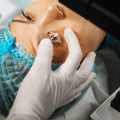
Non-surgical skin procedures have rapidly gained popularity across the UK, offering people innovative ways to refresh and rejuvenate their appearance without the need for invasive surgery. From anti-wrinkle injections and dermal fillers to chemical peels and laser treatments, these non-invasive options are now a staple in many British skincare routines. Yet, despite their widespread use, there remains a cloud of misconceptions and myths surrounding these treatments—often fuelled by social media, celebrity culture, and word of mouth. In this article, we will explore the facts versus fiction about non-surgical skin procedures in the UK, providing clarity on what these treatments really involve and why understanding them is crucial for making informed decisions about your own skin health.
2. Busting the Myths: Common Misconceptions Among Britons
Non-surgical skin procedures have become increasingly popular across the UK, yet a cloud of misconceptions continues to shape public perception. Many Britons remain cautious or even sceptical, often influenced by misinformation, outdated beliefs, or anecdotal experiences shared in their social circles. Understanding and addressing these myths is essential for making informed decisions about your skin health and aesthetic options.
Widespread Myths vs. Reality
| Common Myth | The Reality |
|---|---|
| Non-surgical treatments are only for celebrities or the wealthy | Treatments such as anti-wrinkle injections and dermal fillers are now accessible to a wide range of people, with clinics found on many British high streets. |
| Results look unnatural or “frozen” | When performed by qualified professionals, non-surgical procedures can yield subtle, natural-looking enhancements tailored to individual preferences. |
| All non-surgical procedures are painful or require significant downtime | Most modern treatments involve minimal discomfort and little to no recovery time, allowing patients to return to daily activities swiftly. |
| Only older individuals benefit from these treatments | Younger adults increasingly seek preventative care, using non-surgical options to maintain healthy skin and address minor concerns before they escalate. |
| Treatments are not regulated in the UK | The aesthetics industry is subject to strict regulations, especially regarding who can administer injectables and what qualifications are required. |
British Cultural Nuances: Why Do These Myths Persist?
British culture traditionally values modesty and discretion, which can contribute to a reluctance to discuss aesthetic procedures openly. This cultural approach may foster secrecy and allow hearsay or outdated information to circulate unchecked. Furthermore, tabloid stories or reality TV portrayals often sensationalise cosmetic enhancements, distorting public understanding of what non-surgical treatments actually entail. As a result, many people in the UK may hesitate to explore these options due to fear of judgment or misunderstanding.
The Role of Social Media and Word-of-Mouth
While social media platforms have increased awareness of non-surgical procedures, they also propagate unrealistic expectations and viral myths. Word-of-mouth remains powerful in British communities—stories of “botched” treatments can overshadow countless positive outcomes achieved by trained practitioners. Recognising the difference between fact and fiction is key to overcoming unnecessary fears.
3. What’s Really Involved: The Facts About Safety and Effectiveness
When considering non-surgical skin procedures in the UK, it is essential to move beyond hearsay and focus on what is truly involved in terms of safety and effectiveness. These treatments—ranging from anti-wrinkle injections to dermal fillers and advanced skin rejuvenation techniques—are underpinned by robust safety standards and regulatory oversight that set them apart from mere beauty fads.
Exploring Proven Safety Standards
The UK has established a rigorous framework to ensure patient safety within the non-surgical cosmetic sector. Practitioners offering these treatments are expected to adhere to high clinical standards, often following protocols outlined by professional bodies such as the British Association of Dermatologists (BAD) and the Joint Council for Cosmetic Practitioners (JCCP). Clinics are encouraged, and in some cases required, to be registered with the Care Quality Commission (CQC), which inspects providers to ensure compliance with health and safety regulations.
Regulatory Guidance from the CQC
The CQC plays a pivotal role in upholding public trust by monitoring, inspecting, and rating clinics that offer non-surgical procedures. This oversight helps ensure that practitioners maintain appropriate hygiene, use medical-grade products, and possess adequate qualifications. The presence of CQC registration is a strong indicator of a clinic’s commitment to patient wellbeing, providing reassurance that treatments are delivered in a safe, controlled environment.
The True Effectiveness of Non-Surgical Treatments
Contrary to common misconceptions, many non-surgical skin procedures have been clinically proven to deliver effective results when performed by trained professionals. Treatments like Botox® injections and hyaluronic acid-based fillers undergo extensive research and regulatory approval before being made available to patients. Furthermore, ongoing advancements in technology—such as laser therapies and microneedling—have only increased the reliability and predictability of outcomes. Nevertheless, it is important for individuals to have realistic expectations; reputable practitioners will always provide thorough consultations and tailor treatment plans based on individual needs rather than promising unattainable transformations.
Ultimately, separating fact from fiction means recognising that the UK’s approach to non-surgical skin procedures is grounded in evidence-based practice, regulatory vigilance, and a steadfast commitment to patient safety—all factors that empower individuals to make informed decisions about their aesthetic care.
4. Cultural Sensitivities: British Attitudes Towards Skin Treatments
When it comes to non-surgical skin procedures, the British public exhibits a set of attitudes and social nuances that are distinctly shaped by local culture, etiquette, and historical values. While there is a growing openness towards aesthetic treatments in the UK, these conversations are often guided by a preference for subtlety and discretion. To better understand how these cultural factors influence decision-making and communication around non-surgical procedures, it is essential to examine some of the unique British perspectives on this topic.
Reserved Enthusiasm: The Understated Approach
The British approach to aesthetics tends to favour natural-looking results over dramatic changes. There is a prevailing desire for enhancements that are “just enough” to refresh one’s appearance without drawing overt attention. This understated style reflects a broader cultural preference for modesty and restraint, where looking “overdone” is often frowned upon.
Social Etiquette: Privacy and Politeness
Discussing personal cosmetic choices can be seen as somewhat taboo or at least a private matter in many circles. Unlike some cultures where discussing beauty routines is commonplace, British etiquette leans towards keeping such decisions discreet. For many, admitting to having had “work done” may invite unwanted scrutiny or judgement. As a result, both patients and practitioners often navigate these conversations with great care.
Table 1: Typical British Attitudes Towards Aesthetic Procedures
| Attitude | Description | Cultural Impact |
|---|---|---|
| Discretion Valued | Pride in keeping treatments private | Leads to subtle results and confidential consultations |
| Mild Skepticism | Cautious curiosity towards new trends | Slower adoption of novel procedures compared to other countries |
| Natural Preference | Desire for enhancements that look unnoticeable | Treatments aimed at ‘refreshing’ rather than transforming appearance |
| Stigma Concerns | Sensitivity about being judged for ‘vanity’ | Contributes to reluctance in openly discussing treatments |
The Role of Social Circles and Public Perception
Decisions regarding non-surgical skin procedures are often influenced by close friends or family members, rather than wider social approval. While celebrity endorsements may spark initial interest, most individuals seek reassurance from trusted sources before proceeding. Public perception is steadily shifting towards greater acceptance; however, lingering stereotypes mean many still worry about potential stigma.
Navigating the Conversation: Tips for British Patients and Practitioners
- Prioritise privacy: Always ask before sharing someone’s treatment details, even among friends.
- Aim for subtlety: Focus on enhancing natural features rather than making drastic changes.
- Address misconceptions: Be prepared to answer questions calmly and factually to help demystify the process.
- Respect individual choices: Understand that everyone’s comfort level with these topics will vary.
The unique blend of tradition, politeness, and evolving perspectives makes navigating non-surgical skin procedures in the UK distinct from elsewhere. Understanding these cultural sensitivities ensures both practitioners and patients feel respected and supported throughout their aesthetic journey.
5. Choosing Wisely: Finding Qualified Practitioners in the UK
When it comes to non-surgical skin procedures, one of the most crucial decisions you’ll make is selecting a reputable practitioner. The UK aesthetic industry is vast and rapidly evolving, which means there are both highly qualified professionals and less scrupulous providers offering similar treatments. Navigating this landscape requires a discerning approach to ensure your safety and satisfaction.
The Importance of Qualifications and Registration
In the UK, not all practitioners performing non-surgical procedures such as dermal fillers, Botox injections, or laser treatments are required by law to be medically qualified—though many reputable clinics are led by doctors, nurses, or dentists registered with professional bodies like the General Medical Council (GMC), Nursing and Midwifery Council (NMC), or General Dental Council (GDC). Choosing a practitioner with these credentials offers an added layer of reassurance, as they adhere to strict standards of hygiene, ethics, and ongoing training.
How to Verify Your Practitioner
Before booking any treatment, take time to research your chosen provider. Here are some practical tips:
- Check professional registration: Use official websites (such as GMC, NMC, GDC) to verify your practitioner’s qualifications and status.
- Look for accreditation: Clinics registered with organisations like Save Face or the Joint Council for Cosmetic Practitioners (JCCP) have demonstrated commitment to best practice.
- Read independent reviews: Genuine patient testimonials on trusted platforms can provide valuable insight into others’ experiences.
- Request a consultation: A thorough pre-treatment consultation should include discussion of your medical history, potential risks, and realistic outcomes—avoid providers who rush this process or offer ‘too good to be true’ deals.
Navigating UK Regulations
The UK government continues to strengthen regulations around non-surgical aesthetics. It is expected that licensing for providers will soon become mandatory across England. Until then, exercising personal vigilance is vital. Always prioritise practitioners who demonstrate clear evidence of training, professionalism, and transparency regarding their procedures and products used.
By choosing wisely and verifying credentials, you can confidently separate fact from fiction—and enjoy safer, more effective results from your non-surgical skin treatment journey in the UK.
6. What to Expect: Pre- and Post-Procedure Insights
Navigating the journey of non-surgical skin procedures in the UK can feel daunting, especially when faced with common myths and uncertainties. Understanding what to expect before and after your treatment is crucial for a positive experience and realistic expectations.
Pre-Procedure Preparation: Setting the Stage
Before any non-surgical skin procedure, a comprehensive consultation with a qualified practitioner is standard practice across the UK. This initial meeting is your opportunity to discuss your concerns, medical history, and desired outcomes. Practitioners will often recommend avoiding certain skincare products, supplements, or medications—such as retinoids or anti-inflammatories—a few days prior to treatment. Arriving with clean, makeup-free skin is generally advised, ensuring the area to be treated is in optimal condition.
Realistic Outcomes: Managing Expectations
One of the most prevalent misconceptions is that non-surgical procedures offer instant or ‘perfect’ results. In reality, effects are often subtle and develop gradually over several days or weeks. UK clinics prioritise natural enhancements rather than dramatic transformations. Your practitioner will clarify anticipated results based on your unique skin type and chosen treatment, helping you understand both the potential benefits and limitations.
Common Experiences During the Procedure
Most non-surgical treatments—such as dermal fillers or chemical peels—are relatively quick, minimally invasive, and performed in comfortable clinical settings. Mild discomfort, tingling, or a temporary stinging sensation is normal but typically well-tolerated. Local anaesthetic creams may be used for added comfort where appropriate.
Post-Procedure Aftercare: A British Approach
Aftercare instructions are tailored to each specific treatment but generally include advice such as avoiding strenuous exercise, extreme temperatures (like saunas), and direct sun exposure for a short period post-procedure. Applying soothing creams or gentle cold compresses may help reduce minor swelling or redness. It’s important to follow all guidance provided by your practitioner to minimise risks and support optimal healing.
Typical Recovery Timeline and When to Seek Help
In most cases, downtime is minimal; many people in the UK return to their daily routines almost immediately following non-surgical treatments. Some mild bruising or swelling can occur but usually subsides within a few days. Should you experience persistent pain, unusual symptoms, or have concerns about your recovery, reputable practitioners encourage open communication for reassurance and support.
Empowering Patients Through Transparency
Demystifying every stage of the patient journey helps foster confidence in non-surgical skin procedures. By understanding preparation steps, realistic outcomes, aftercare essentials, and typical experiences within the UK context, you are better equipped to make informed decisions and achieve satisfying results from your chosen treatment.
7. Conclusion: Empowering Informed Choices
In summary, separating fact from fiction is crucial when considering non-surgical skin procedures in the UK. Throughout this article, we have addressed common misconceptions, debunked myths, and highlighted the importance of consulting with qualified professionals who are registered with reputable UK regulatory bodies such as the GMC or NMC. We have explored the effectiveness, safety standards, and realistic expectations surrounding treatments like dermal fillers, anti-wrinkle injections, and skin rejuvenation techniques.
Understanding the rigorous regulations and high clinical standards in the UK can help dispel fears rooted in misinformation or sensationalised media reports. It is essential to recognise that while non-surgical treatments offer significant benefits, they are not without risks—making thorough research and professional guidance indispensable.
We encourage readers to take their time, ask detailed questions during consultations, and only proceed with practitioners who provide transparent information about products, procedures, and aftercare. Remember, there is no “one-size-fits-all” approach; every individual’s skin needs and desired outcomes are unique.
Ultimately, making well-informed decisions empowers you to achieve natural-looking results safely and confidently. By prioritising credible information over hearsay and seeking out skilled practitioners who adhere to best practices, you can navigate the world of non-surgical skin procedures in the UK with clarity and assurance.