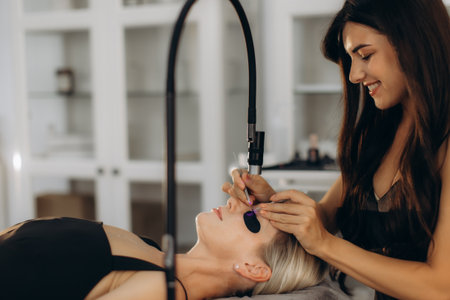
Overview of Wrinkle Treatments in the UK
The UK aesthetics market has witnessed significant transformation over the past decade, particularly in the realm of wrinkle treatments. With an ageing population and increasing awareness of skincare, British consumers are becoming more proactive about maintaining youthful appearances. Traditionally, anti-wrinkle strategies in the UK have relied on topical creams, injectable fillers, and surgical interventions. However, these methods often come with limitations—ranging from short-lived results to concerns about invasiveness and downtime.
Recently, there has been a marked shift towards innovative, technology-driven solutions. Laser and light-based therapies are gaining traction as non-surgical alternatives, appealing to clients seeking effective yet minimally invasive options. This trend is particularly pronounced in metropolitan areas such as London, Manchester, and Edinburgh, where demand for advanced aesthetic treatments is on the rise. As the market evolves, clinics and practitioners across the UK are investing in state-of-the-art devices to cater to a clientele that values both efficacy and safety. The growing appetite for new-generation wrinkle therapies underscores a broader move towards personalised and science-backed skincare solutions within the British beauty landscape.
2. Laser and Light-Based Therapies: Mechanisms and Effectiveness
In recent years, the UK has witnessed a surge in demand for minimally invasive aesthetic solutions, with laser and light-based therapies taking centre stage in the management of wrinkles and other signs of skin ageing. These technologies leverage advanced scientific principles to deliver targeted results, offering British consumers both efficacy and safety. Understanding their mechanisms of action is key to appreciating why these treatments have become highly sought-after within UK clinics.
How Do Laser and Light-Based Devices Work?
Laser and light-based therapies utilise specific wavelengths to penetrate the skin and stimulate biological responses. Their primary objective is to initiate controlled damage that triggers the bodys natural repair processes, resulting in rejuvenated skin texture and reduced wrinkle visibility. The most popular modalities include fractional lasers, non-ablative lasers, intense pulsed light (IPL), and LED phototherapy. Each modality targets different layers of the skin and cellular components, ensuring tailored treatment approaches for diverse patient needs.
Scientific Mechanisms Behind Wrinkle Reduction
| Technology | Mechanism | Targeted Skin Layer |
|---|---|---|
| Fractional Lasers | Create microthermal zones to stimulate collagen remodelling | Dermis & Epidermis |
| Non-Ablative Lasers | Heat tissue without damaging surface; promotes collagen production | Dermis |
| Intense Pulsed Light (IPL) | Delivers broad-spectrum light to reduce pigmentation and fine lines | Epidermis & Superficial Dermis |
| LED Phototherapy | Uses low-level light energy to enhance cell function and healing | Epidermis |
Efficacy Based on Clinical Studies in the UK Context
The effectiveness of these therapies is well-documented in both clinical trials and real-world practice across Britain. Fractional lasers are recognised for achieving significant wrinkle reduction after a series of sessions, while non-ablative lasers offer gradual improvements with minimal downtime—a crucial consideration for busy urban professionals. IPL remains a favourite for those seeking broader photorejuvenation benefits, addressing not only wrinkles but also pigmentation irregularities common among British skin types. LED phototherapy, often used as an adjunctive treatment, supports recovery and enhances overall skin quality.
The appeal of these innovative solutions lies not only in their visible outcomes but also in their adaptability to varying skin tones prevalent in the UK. This ensures that patients receive personalised regimens optimised for both safety and long-term results, reinforcing the standing of laser and light-based therapies as pillars of modern anti-ageing care within the British aesthetic landscape.

3. Popular Technologies and Devices in the British Market
The UK aesthetic sector has seen a significant uptick in demand for laser and light-based wrinkle treatments, driven by both patient expectations and the advancement of technology. Clinics across Britain are increasingly selective, favouring devices that have received CE approval and, where applicable, recognition from the NHS—ensuring both safety and efficacy for patients. Among the most prominent technologies are fractional CO2 lasers and non-ablative erbium lasers, both lauded for their ability to stimulate collagen production and reduce fine lines with minimal downtime.
CE-Approved Innovations Leading the Way
British clinics prioritise CE-marked equipment as a benchmark of quality and regulatory compliance. Devices such as the Lumenis ResurFX and Cynosure Icon utilise advanced fractional laser technology, offering customisable settings tailored to individual skin types prevalent in the UK population. These systems are particularly popular for their combination of safety profiles and impressive results in wrinkle reduction without compromising patient comfort.
NHS-Recognised Systems Shaping Standards
For clinics aiming to integrate NHS-recognised solutions, platforms like the Fotona Dynamis Pro and Cutera Enlighten have gained traction. These devices are used not only in private practices but also in select NHS settings for dermatological concerns, reinforcing their reputation for reliability and clinical backing. Their effectiveness in managing wrinkles is supported by robust clinical data, making them a preferred choice among discerning practitioners.
Energy-Based Devices Beyond Lasers
Intense Pulsed Light (IPL) technologies, such as those developed by Lynton Lasers—a British manufacturer—are frequently employed alongside or as alternatives to traditional lasers. Their adaptability for treating multiple skin concerns, including wrinkles and pigmentation typical to lighter skin tones found in the UK, makes them highly versatile. Furthermore, radiofrequency-based systems like Thermage FLX are gaining momentum due to their non-invasive approach to skin tightening and rejuvenation.
The competitive landscape of British aesthetics is defined by a rigorous selection of technologies that meet stringent regulatory criteria while addressing the unique needs of UK patients. As innovation continues apace, British clinics remain at the forefront by investing in clinically validated devices that deliver visible anti-wrinkle results whilst ensuring patient safety.
4. Trends Driving Adoption in the UK
Analysis of Key Market Trends
The adoption of innovative laser and light-based therapies for wrinkles is gaining momentum across the UK, shaped by evolving consumer expectations, distinctive British aesthetics, and a robust regulatory environment. Understanding these trends is crucial for clinics, practitioners, and technology providers seeking to thrive in this competitive market.
Shifts in Consumer Preferences
British consumers are becoming increasingly discerning, prioritising non-invasive treatments that offer both safety and visible results with minimal downtime. There is a growing demand for tailored solutions that address individual skin types and ageing concerns, with an emphasis on natural-looking outcomes. The following table highlights key shifts in consumer preferences:
| Preference | Description |
|---|---|
| Minimally Invasive Procedures | Greater interest in procedures with little to no recovery time |
| Personalised Treatment Plans | Desire for custom approaches based on unique skin profiles |
| Sustainable Practices | Preference for clinics using environmentally conscious products and methods |
| Natural Results | Focus on subtle enhancements over dramatic changes |
The Influence of British Aesthetics
The British approach to beauty is often characterised by understated elegance and authenticity. This cultural preference influences the uptake of wrinkle reduction therapies, with many clients seeking rejuvenation techniques that preserve their individuality rather than drastically altering their appearance. As a result, technologies offering gradual improvement—such as fractional lasers and advanced IPL systems—are seeing greater popularity over more aggressive modalities.
The Impact of Regulatory Standards
The UK’s regulatory landscape plays a pivotal role in shaping market dynamics. The Care Quality Commission (CQC) and other relevant bodies enforce stringent guidelines for safety and efficacy, ensuring that only thoroughly vetted devices and protocols reach patients. This focus on compliance not only builds consumer trust but also encourages continual innovation among manufacturers eager to meet or exceed these benchmarks.
Key Regulatory Influences:
- Mandatory practitioner qualifications and ongoing training requirements
- Rigorous device certification processes aligned with UKCA/CE standards post-Brexit
- Comprehensive patient information and informed consent protocols
- Regular audits of clinic hygiene and operational practices
Together, these trends underscore a uniquely British pathway towards adopting cutting-edge wrinkle therapies: one that balances technological advancement with cultural sensibility and uncompromising safety.
5. Safety, Aftercare, and Patient Experience
UK Clinical Best Practices for Ensuring Safety
Safety is paramount in the application of innovative laser and light-based wrinkle therapies across the UK. Reputable clinics adhere strictly to Care Quality Commission (CQC) guidelines, employing only qualified practitioners with extensive training in dermatological procedures. Prior to treatment, comprehensive consultations are conducted to assess individual skin types, medical history, and suitability for specific devices—minimising risks such as burns, hyperpigmentation, or scarring. Clinics routinely perform patch tests and use CE-marked equipment that complies with UK safety regulations, fostering confidence among patients seeking non-surgical rejuvenation.
Aftercare Protocols Tailored to British Patients
Following laser or light-based treatments, aftercare is meticulously outlined to ensure optimal healing and results. UK practitioners typically advise patients to avoid sun exposure, apply broad-spectrum SPF daily—even during overcast weather—and refrain from using harsh skincare products until the skin barrier is restored. Common recommendations include gentle cleansing, hydration with fragrance-free moisturisers, and the use of cold compresses to alleviate redness or swelling. Clear written instructions are provided, along with dedicated follow-up appointments for monitoring progress and addressing concerns.
Downtime Considerations: Realistic Expectations
The downtime associated with laser and light-based wrinkle therapies varies depending on the technology used—from minimal redness after IPL (Intense Pulsed Light) to several days of flaking with ablative fractional lasers. In the UK market, clinics are transparent about expected recovery times so patients can plan accordingly, factoring in work commitments and social engagements. Many opt for “lunchtime” treatments with minimal disruption, while others schedule more intensive sessions for longer-lasting results during periods of leave.
Enhancing Patient Satisfaction: The UK Perspective
Patient experience extends beyond clinical outcomes; it encompasses consultation quality, comfort during procedures, and post-treatment support. Leading UK providers prioritise open communication—addressing expectations candidly and offering realistic timelines for visible improvement. Satisfaction surveys indicate that transparency regarding potential side effects and diligent follow-up care significantly enhance trust and patient loyalty. As demand for minimally invasive anti-ageing solutions grows nationwide, the commitment to gold-standard safety practices remains a hallmark of the UKs approach to cosmetic innovation.
6. The Future of Wrinkle Therapy: Innovation and Challenges
The landscape of wrinkle therapy in the UK is rapidly evolving, driven by both technological breakthroughs and shifting consumer expectations. As innovative laser and light-based therapies become increasingly prevalent, the focus has shifted towards advanced devices with greater efficacy, safety, and minimal downtime. Emerging developments such as fractional lasers, picosecond technology, and combined light modalities are setting new benchmarks for non-invasive rejuvenation. These cutting-edge solutions are not only addressing traditional signs of ageing but also catering to a broader demographic seeking subtle yet effective results.
Investment in Research and Development
The UK market stands out for its robust investment in research and development within the aesthetics sector. Leading clinics and manufacturers are collaborating with academic institutions to trial next-generation devices under real-world conditions. This culture of innovation ensures that British patients have access to some of the most sophisticated wrinkle therapies globally. Furthermore, the growing emphasis on data-driven outcomes means that future treatments will be tailored using patient-specific analytics, further optimising results while minimising risks.
Regulatory Considerations Shaping the Industry
Regulation remains a crucial factor influencing the adoption of new technologies in the UK. The Medicines and Healthcare products Regulatory Agency (MHRA) plays a pivotal role in ensuring that all laser and light-based devices meet stringent safety standards before reaching clinics. Recent updates to regulatory frameworks reflect a commitment to protecting public health without stifling innovation. Nevertheless, practitioners must remain vigilant regarding compliance, especially as treatments become more complex and personalised.
Looking Ahead: Opportunities and Obstacles
Looking to the future, the UK’s dynamic market is well-positioned to lead in wrinkle therapy innovation. Continued investment in R&D will likely yield smarter devices integrating AI-driven diagnostics and treatment protocols. However, challenges persist—particularly around balancing rapid technological advancement with ethical considerations and equitable access. As the regulatory environment adapts and patient awareness grows, successful providers will be those who can seamlessly blend clinical excellence with transparency and adaptability.