Understanding Cryolipolysis: The Basics
Cryolipolysis, more commonly referred to as ‘fat freezing’, is swiftly gaining traction across the UK as a non-invasive alternative for body sculpting. This innovative treatment targets stubborn pockets of fat by exposing them to controlled cooling, ultimately breaking down fat cells without surgery or lengthy downtime. Its appeal lies in its minimal disruption to daily life—no scalpels, no stitches, just a straightforward session that allows most people to get back to their routine almost immediately. With British clinics and beauty salons embracing this advanced technology, more and more people are considering cryolipolysis as a way to refine their silhouette with less risk than traditional liposuction. However, while its popularity soars, it’s important for Brits to understand what the procedure actually involves before making any decisions. In this article, we’ll explore not only how cryolipolysis works but also the potential risks and side effects every Brit should be aware of before booking that first appointment.
2. Potential Risks: What Could Go Awry?
While cryolipolysis is often regarded as a relatively safe and non-invasive option for fat reduction, it’s essential for Brits to approach the treatment with open eyes and realistic expectations. Like any cosmetic procedure, there are potential risks that you should carefully consider before booking an appointment. In most cases, side effects are minor and temporary, but there are rare instances where more serious complications can arise.
Common Side Effects
The majority of people experience mild side effects that resolve on their own within days or weeks. Here’s a quick overview of what to expect:
| Side Effect | Description | How Long It Lasts |
|---|---|---|
| Redness & Bruising | Skin may appear flushed or develop mild bruising in the treated area | A few hours to a week |
| Numbness or Tingling | Sensation changes such as numbness, tingling, or mild discomfort | Up to several weeks |
| Swelling & Tenderness | The area might feel slightly swollen or sore to the touch | A few days to a week |
Rare but Serious Complications
It’s crucial not to overlook the less common, but more serious risks associated with cryolipolysis:
- Paradoxical Adipose Hyperplasia (PAH): This rare side effect involves an increase in fat cells rather than a reduction. While it’s uncommon, PAH typically requires further medical intervention to correct.
- Skin Damage: In very rare cases, incorrect application of the device could cause frostbite, blisters, or changes in skin pigmentation. Qualified practitioners will take every precaution, but it’s important to be aware.
- Nerve Pain: Although extremely unusual, some individuals report persistent nerve pain that may last longer than the typical recovery period.
Your Health Comes First
If you have pre-existing conditions—such as Raynaud’s disease or sensitivity to cold—or if you’re pregnant, cryolipolysis may not be suitable for you. Always discuss your full medical history with your practitioner and don’t hesitate to ask questions about their training and experience.
A Balanced Approach for Brits Considering Cryolipolysis
The best way forward is a blend of optimism and caution. By understanding both the common and rare risks involved, you’ll be able to make an informed decision that prioritises your well-being while still allowing room for self-improvement on your terms.

3. Common Side Effects: What to Expect After Treatment
If youre considering cryolipolysis, its perfectly natural to wonder what you might experience once the procedure is done. While the treatment is generally safe and well-tolerated, there are a few common side effects that Brits should be aware of. Understanding these typical reactions can help set your expectations and put your mind at ease.
Bruising: A Frequent Companion
Many people notice some bruising in the treated area, which is quite normal and usually nothing to worry about. This happens because the vacuum applicator gently pulls on your skin during the process, sometimes causing tiny blood vessels under the skin to break. In most cases, any bruising fades within a week or so and doesn’t interfere with daily life. UK clinics often advise wearing loose clothing and avoiding strenuous activity for a day or two to minimise discomfort.
Numbness and Tingling: Temporary Sensations
Numbness or tingling sensations are also commonly reported after cryolipolysis sessions. This is due to the cold temperatures temporarily affecting nerve endings in the treated area. British clients often describe it as similar to when your hand falls asleep—a bit odd, but not painful. For most people, this sensation resolves on its own within a few days to a couple of weeks.
Tenderness and Swelling: Mild but Manageable
Some tenderness or swelling may occur post-treatment, especially in sensitive individuals. Clinics across the UK note that these symptoms are typically mild and short-lived, often resolving without intervention. Applying a cool compress (never ice directly) and taking it easy for a day or two can make recovery more comfortable.
Real-Life Insights from UK Clinics
Feedback from British patients who have undergone cryolipolysis echoes these points. Many share that while they were initially surprised by how numb or tingly their skin felt, they soon realised these sensations were temporary and part of the body’s natural healing process. Leading UK clinics emphasise that following aftercare advice—such as staying hydrated and avoiding harsh physical activity—can make all the difference in your comfort and results.
Your Comfort Matters
Ultimately, knowing what’s typical helps you feel more confident about your decision. Most Brits find that these side effects are minor trade-offs for achieving their desired results safely and effectively. If you ever have concerns after your treatment, don’t hesitate to reach out to your practitioner—they’re there to support you every step of the way.
4. Who Should Approach with Caution?
Cryolipolysis may seem like a straightforward solution for stubborn fat, but not everyone should jump in without careful consideration. It’s essential for Brits to understand that certain health conditions, which are relatively common in the UK, can increase the risk of side effects or complications. If you fall into any of these categories, it’s wise to consult your GP before booking a session.
| Health Condition | Why Extra Caution is Needed |
|---|---|
| Raynauds Disease | This condition affects blood flow to certain parts of the body in response to cold or stress. Cryolipolysis uses extreme cold and could trigger symptoms or exacerbate discomfort. |
| Cold Urticaria | Those who develop hives or allergic reactions to cold should avoid cryolipolysis, as exposure might provoke serious skin reactions. |
| Diabetes (especially Type 2) | Poor circulation and sensitivity issues, common with diabetes, may impair healing and increase the risk of side effects such as numbness or bruising. |
| Obesity-related Conditions | If you have underlying issues such as high blood pressure or heart disease, always seek medical advice first. Cryolipolysis is not a weight-loss treatment and may not be suitable if you’re managing multiple health concerns. |
| Sensitive Skin Disorders (e.g., eczema, psoriasis) | The cold applicator may aggravate existing skin conditions, leading to flare-ups or irritation. |
| History of Hernia in the Treatment Area | Past hernias or surgery near the intended site could increase the risk of complications post-treatment. |
Additionally: Pregnant women, people with severe anxiety around medical procedures, or anyone with an impaired immune system should approach cryolipolysis with particular caution. Always prioritise your well-being by seeking professional guidance tailored to your personal health profile. Remember, your safety comes first—and there’s no harm in asking questions or taking your time before making a decision.
5. Post-Treatment Care: Keeping Recovery Smooth
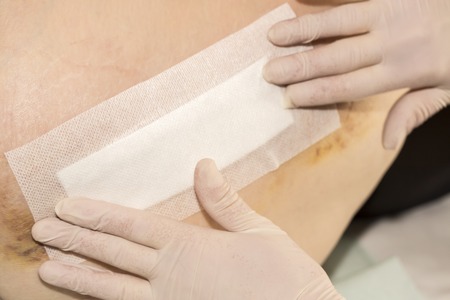
After your cryolipolysis session, taking proper care of the treated area is essential for a smooth recovery and to help minimise any potential discomfort. British practitioners consistently recommend a gentle approach, emphasising that less is often more when it comes to aftercare. Here are some practical, UK-specific tips to make your post-treatment experience as comfortable as possible.
Stay Cosy but Not Hot
It’s perfectly normal for the treated area to feel numb, tingly, or slightly swollen. While it might be tempting to apply a hot water bottle or have a steaming bath, experts advise sticking to lukewarm showers and avoiding direct heat. Instead, wear soft, loose-fitting clothes – think comfy joggers or pyjamas – to avoid irritating sensitive skin.
Keep Active, But Take It Easy
Brits love a brisk walk, and light activity can actually help with circulation and reduce swelling. However, this isn’t the time for an intense gym session or rugby match. Listen to your body, enjoy gentle strolls in the park, and gradually return to your usual routine when you feel ready.
Hydration Is Your Best Friend
Drinking plenty of water is a simple but effective way to support your body’s natural healing process. Aim for those classic eight glasses a day (or more if you fancy), as hydration helps flush out the destroyed fat cells more efficiently.
Avoid DIY Remedies
While it might be tempting to try over-the-counter creams or home remedies that promise quick relief, local specialists caution against anything not recommended by your clinic. If you experience itching or mild discomfort, consult with your practitioner first before reaching for anything from the medicine cabinet.
Stay in Touch With Your Practitioner
Most reputable UK clinics will offer follow-up appointments or phone check-ins. Don’t hesitate to ask questions or share any concerns – no matter how minor they seem. Remember, there’s no such thing as a silly question when it comes to your wellbeing.
By following these tried-and-tested British aftercare tips and prioritising self-care, you’re giving yourself the best chance at a smooth recovery and optimal results from your cryolipolysis treatment.
6. Choosing a Clinic: What Sets UK Providers Apart?
When considering cryolipolysis in the UK, it’s essential to remember that not all clinics are created equal. British standards for safety, professionalism, and ethical practice are among the highest in the world, but as a savvy patient, you should still approach your choice thoughtfully. A key cultural consideration here is the renowned British emphasis on regulation and transparency. Reputable providers are usually registered with the Care Quality Commission (CQC) or similar professional bodies, demonstrating their commitment to maintaining stringent standards. When vetting a clinic, don’t hesitate to ask for visible proof of qualifications, insurance coverage, and relevant accreditations—these are not only reasonable requests but expected in British healthcare culture.
Questions Every Brit Should Ask Before Booking
For peace of mind, arm yourself with questions that reflect both your rights as a client and your personal values regarding safety and care. Ask how many procedures the practitioner has performed, what specific training they have undergone, and what type of aftercare support is offered. Enquire about their protocols for handling side effects or complications—reputable UK clinics will have clear policies and be happy to discuss them openly. Additionally, clarify whether consultations are thorough and bespoke; personalised assessments are a hallmark of quality British providers who value your unique needs over generic solutions.
Cultural Nuances: Why They Matter
Brits typically appreciate discretion, honesty, and a no-nonsense approach. If you feel pressured into making a quick decision or encounter vague answers, take this as a red flag. Trustworthy clinics will encourage you to take your time, review information at your leisure, and return with further questions—demonstrating respect for your autonomy and comfort.
Final Thought: Invest in Yourself Wisely
Choosing where to have cryolipolysis isn’t just about convenience or price—it’s about ensuring your wellbeing is prioritised every step of the way. By embracing these distinctly British considerations and asking the right questions, you empower yourself to make an informed choice that aligns with both national standards and your personal peace of mind.