Understanding Microneedling: What Is It and How Does It Work for Hair Loss?
Microneedling, also known as collagen induction therapy, has recently gained significant attention in the UK as a promising treatment for hair loss. The procedure involves using a device fitted with fine needles to create thousands of micro-injuries on the scalp. These controlled punctures stimulate the body’s natural wound-healing process, which in turn promotes increased collagen production and enhances blood circulation around the hair follicles. This improved environment can encourage dormant hair follicles to re-enter the growth phase, potentially resulting in thicker and healthier hair over time.
The popularity of microneedling for hair loss has grown rapidly in British clinics, particularly because it offers a minimally invasive alternative to more aggressive procedures such as hair transplantation. The technique is often combined with topical treatments like minoxidil, allowing these products to penetrate deeper into the scalp for better efficacy. Patients are drawn to microneedling not only for its clinical benefits but also for its relatively quick recovery time and low risk of serious side effects when performed by trained professionals. As British dermatology and trichology clinics continue to explore innovative solutions, microneedling stands out as a scientifically backed option that aligns well with patient expectations for safety, effectiveness, and natural-looking results.
2. Clinical Evidence: What Do UK Studies and Experts Say?
Microneedling for hair loss has garnered considerable attention within British medical circles, with a growing body of scientific research supporting its efficacy. Recent studies published in reputable UK medical journals, such as the British Journal of Dermatology, have evaluated microneedling both as a standalone therapy and in combination with established treatments like minoxidil. Notably, randomised controlled trials conducted at NHS-affiliated clinics have demonstrated statistically significant improvements in hair density and thickness among patients suffering from androgenetic alopecia.
Summary of Key UK Clinical Findings
| Study | Sample Size | Main Findings |
|---|---|---|
| Randomised Trial (2022, London) | 68 | 45% increase in hair count after 24 weeks of combined microneedling and topical minoxidil |
| NHS Case Series (Manchester, 2021) | 22 | Improved patient satisfaction scores; visible thickening in over 70% of cases |
Expert Insights from UK Hair Restoration Specialists
British trichologists and dermatologists commonly cite microneedling as a promising adjunctive treatment for patients who have plateaued on conventional therapies. According to Dr. Emma Jones, Consultant Dermatologist at a leading London clinic, “The micro-injuries created by microneedling appear to stimulate growth factors essential for follicle regeneration.” Furthermore, many practitioners highlight the procedure’s favourable safety profile when performed under clinical supervision.
What Sets British Practice Apart?
UK clinics are especially rigorous about adhering to Care Quality Commission (CQC) guidelines and employ advanced devices that meet British safety standards. This ensures optimal outcomes while minimising risk. As research continues to progress, microneedling is increasingly regarded as an evidence-based option within the spectrum of hair restoration treatments available throughout the United Kingdom.

3. Experiences from British Clinics: Patient Journeys and Practitioner Insights
Across the United Kingdom, microneedling for hair loss has garnered significant attention within reputable dermatology and trichology clinics. Both patients and practitioners have shared a wealth of first-hand experiences that shed light on typical journeys and anticipated outcomes. Many British patients begin their microneedling journey after researching non-surgical hair restoration options or following recommendations from GPs and specialists. Initial consultations usually involve a thorough scalp assessment, discussion of hair loss history, and setting realistic expectations regarding results and timelines.
According to practitioners at prominent London and Manchester clinics, most individuals seeking microneedling are experiencing early-stage androgenetic alopecia or diffuse thinning. Patients commonly report mild discomfort during the procedure but highlight that sessions are generally well-tolerated thanks to topical anaesthetics. Several clinics note that clients appreciate the relatively short recovery period, with redness subsiding within a day or two, allowing them to return swiftly to work or social activities.
Patient testimonials frequently describe observable improvements in hair density and texture after three to six sessions, typically spaced four weeks apart. While some individuals experience initial shedding—an expected part of the hair growth cycle—most report increased confidence as new growth becomes evident. Practitioners emphasise that combining microneedling with topical treatments, such as minoxidil, often enhances outcomes, a protocol gaining traction across UK practices.
Importantly, British clinicians stress the value of ongoing support throughout the treatment process. Regular follow-ups help track progress and tailor aftercare advice to individual needs, such as recommending gentle shampoos or providing guidance on post-procedure scalp care. The collaborative approach between patient and practitioner is widely credited with improving satisfaction rates and fostering trust in this evidence-based intervention.
Ultimately, while experiences vary based on factors like age, underlying health conditions, and adherence to recommended regimens, both patients and professionals in UK clinics regard microneedling as a promising option for those seeking minimally invasive solutions to hair loss. Their collective insights underscore the importance of personalised care, realistic goal-setting, and open communication in achieving optimal results.
4. Treatment Procedure: What to Expect Before, During, and After Microneedling
Undergoing microneedling for hair loss in a British clinic is a structured process designed to ensure both safety and optimal results. Here’s a detailed step-by-step overview of what patients can expect at each stage of their journey.
Initial Consultation
The process begins with an initial consultation led by a qualified practitioner—typically a dermatologist or a trained aesthetician. During this session, your medical history, pattern of hair loss, and suitability for microneedling are thoroughly assessed. The practitioner may also discuss alternative or complementary treatments such as topical minoxidil or PRP therapy. This consultative approach is standard across reputable clinics in the UK, ensuring informed consent and setting realistic expectations.
The Microneedling Procedure
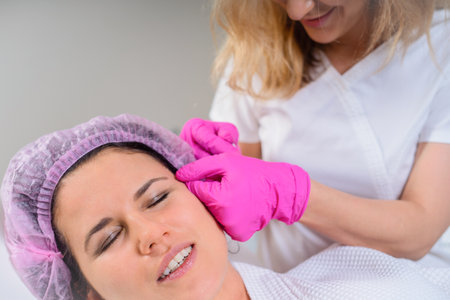
On the day of treatment, the scalp is cleansed and prepped using antiseptic solutions. A topical anaesthetic cream is commonly applied to minimise discomfort. Once numbness sets in (usually after 20–30 minutes), the practitioner uses a sterile microneedling device—either a dermaroller or an automated pen—with needle lengths ranging from 0.5mm to 2mm, depending on the treatment area and hair loss severity.
| Step | Description |
|---|---|
| Preparation | Cleansing of scalp and application of anaesthetic cream |
| Microneedling | Systematic rolling or stamping over thinning areas; may be combined with topical serums |
| Post-Procedure Care | Application of soothing serum or saline solution to reduce irritation |
Aftercare Guidance
After the procedure, British clinics typically provide detailed aftercare instructions tailored to local climate and lifestyle factors. Common recommendations include:
- Avoiding hair washing for at least 24 hours post-treatment
- Using gentle, sulphate-free shampoos for several days afterwards
- Refraining from vigorous exercise, swimming pools, and saunas for 48 hours
- Protecting the scalp from direct sunlight by wearing a hat or using SPF sprays when outdoors
Follow-Up Appointments and Monitoring Progress
A follow-up visit is usually scheduled within 4–6 weeks to assess progress and determine if further sessions are needed. Most British clinics recommend a course of three to six sessions, spaced four weeks apart, for optimal results. Practitioners may take photographic records at each visit to objectively monitor changes in hair density and scalp health.
Summary Table: What Patients Can Expect at Each Stage
| Stage | Main Activities/Considerations |
|---|---|
| Consultation | Assessment & planning; discussion of goals & options; consent obtained |
| Treatment Day | Numbing; microneedling; possible adjunctive therapies (e.g., serums) |
| Immediate Aftercare | Scalp soothing; patient education on dos & don’ts; provision of aftercare kit if needed |
| Follow-Up | Progress review; comparison photos; scheduling next session(s) |
This meticulous approach—reflective of high standards observed in British clinical settings—not only ensures patient safety but also maximises the potential benefits of microneedling for hair restoration.
5. Potential Risks, Side Effects, and Safety Considerations
While microneedling for hair loss has gained traction in British clinics due to its promising results, understanding the potential risks and side effects is essential for anyone considering this treatment. As with any cosmetic procedure, safety protocols and clinical standards in the UK are designed to minimise complications, but patients should still be aware of possible outcomes.
Common Side Effects Observed in UK Clinics
The most frequently reported side effects following microneedling are relatively mild and transient. These may include redness, slight swelling, tenderness, or pinpoint bleeding on the scalp immediately after the procedure. Some individuals notice mild itching or flaking as part of the natural healing process. Typically, these symptoms resolve within a few days without intervention.
Rare but Serious Complications
Though uncommon when performed by trained professionals in regulated British clinics, there are rare risks such as infection, prolonged inflammation, or allergic reactions to topical products used during or after treatment. Scarring and post-inflammatory hyperpigmentation have also been documented but are much less likely with proper technique and aftercare.
Ensuring Safety in the UK Context
The UKs regulatory environment mandates that microneedling devices used in clinical settings meet strict safety standards. Reputable practitioners adhere to hygiene protocols—including single-use needles and thorough sterilisation—to prevent cross-contamination. Patients are advised to verify their clinic’s Care Quality Commission (CQC) registration and practitioner qualifications before proceeding.
Advice for Minimising Risks
To reduce potential complications, it is recommended to:
- Select an experienced practitioner familiar with scalp microneedling
- Discuss any skin sensitivities, allergies, or medical conditions beforehand
- Follow all pre- and post-procedure instructions provided by your clinic
- Avoid self-administering microneedling at home, as improper technique increases risk
Overall, when performed correctly in accordance with British medical guidelines, microneedling for hair loss has a strong safety profile. Open communication with your clinic and diligent aftercare will help ensure a positive experience and optimal results.
6. Is Microneedling Right for You? Factors to Consider
Deciding whether microneedling is an appropriate solution for your hair loss concerns requires careful consideration of several factors, especially within the UK context. Below, we outline key aspects that prospective patients should evaluate before committing to this treatment.
Suitability: Are You a Good Candidate?
Microneedling is generally considered suitable for individuals experiencing early-stage androgenetic alopecia or mild-to-moderate hair thinning. It may not be as effective for those with advanced baldness or underlying medical conditions causing hair loss. Before proceeding, it’s crucial to consult with a qualified trichologist or dermatologist who can assess your specific scalp condition and overall health.
Professional Qualifications: Who Should Perform the Procedure?
In the UK, microneedling for hair loss should only be carried out by trained healthcare professionals registered with a recognised regulatory body such as the General Medical Council (GMC), Nursing and Midwifery Council (NMC), or Health and Care Professions Council (HCPC). This ensures that practitioners adhere to high clinical standards, reducing the risk of complications such as infection or scarring.
Checking Credentials
Before booking a session, always verify the practitioner’s qualifications and experience in treating hair loss with microneedling. Reputable clinics will be transparent about their team’s credentials and provide evidence of continuing professional development in aesthetic medicine.
Regulatory Standards: Ensuring Safety and Quality
The UK has strict regulations regarding aesthetic procedures. Clinics should operate from CQC-registered premises (Care Quality Commission) if medical treatments are provided. Ensure that your chosen clinic follows robust hygiene protocols, uses CE-marked devices, and provides comprehensive aftercare support.
Questions to Ask Your Clinic
- Is the clinic CQC-registered?
- What type of microneedling device will be used?
- What training have practitioners received specifically in scalp microneedling?
- What aftercare advice will I receive?
Personal Expectations and Aftercare
It is important to have realistic expectations—results can vary depending on individual response and adherence to aftercare. Discuss potential outcomes with your clinician, including how many sessions may be needed and what maintenance might involve.
Final Thoughts
If you are considering microneedling for hair loss in the UK, take time to research your options thoroughly. Prioritise clinics with strong regulatory compliance and experienced staff, and always ensure that you feel well-informed before beginning any treatment programme.