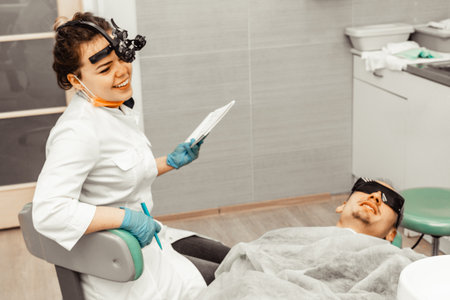
Introduction to British Skincare Habits
Skincare in the UK is shaped by a unique blend of climate, culture, and consumer trends. Many Britons adopt a straightforward approach to daily skincare, often prioritising practicality and reliability over elaborate routines. Typical British skincare habits involve gentle cleansing, moisturising, and the consistent use of SPF, particularly due to growing awareness around sun protection despite the country’s famously unpredictable weather. Product preferences tend to favour well-established brands with proven efficacy, as well as formulations designed for sensitive or combination skin types—a reflection of both environmental factors and genetic predispositions. Additionally, cultural influences such as a preference for subtlety and natural beauty steer many towards minimalist routines that emphasise skin health rather than dramatic cosmetic changes. This foundational approach to daily skincare sets the stage for understanding how these routines might align with or differ from professional acne treatments commonly recommended by dermatologists across the UK.
2. Core Steps in Everyday British Skincare
British skincare routines are typically straightforward and rooted in practicality, reflecting the UK’s unique climate and cultural preferences. While individual approaches may vary, most people in Britain follow a few core steps that are not only fundamental to daily skin maintenance but also closely aligned with the foundational stages of professional acne treatments. Understanding these overlapping practices can help bridge the gap between at-home care and clinical interventions.
Cleansing: The Essential First Step
In the UK, cleansing is universally recognised as the cornerstone of any skincare regimen. Given the temperate and often damp climate, gentle cleansers that remove pollutants and excess oil without stripping the skin’s natural barrier are preferred. Effective cleansing prepares the skin for both topical products at home and any advanced treatments administered by dermatologists or skincare professionals.
Hydration: Guarding Against Environmental Stress
Hydration is another key step in British routines, especially due to frequent changes in weather and indoor heating which can cause dehydration. Lightweight, non-comedogenic moisturisers are favoured, particularly for those prone to acne. Maintaining optimal moisture levels supports skin recovery—an objective shared with professional acne protocols which prioritise barrier repair alongside active treatment.
Sun Protection: A Growing Priority
Although cloudy days are common across the UK, awareness around sun protection has risen significantly. Daily use of broad-spectrum SPF is now widely advocated by both beauty experts and medical professionals. Sun protection not only prevents premature ageing and pigmentation but is also vital post-acne treatment to avoid further irritation or scarring.
Comparison Table: British Skincare vs Professional Acne Treatment Steps
| Step | Typical British Routine | Professional Acne Treatment |
|---|---|---|
| Cleansing | Mild face wash twice daily | Gentle cleansing before procedures or topical medications |
| Hydration | Light, non-greasy moisturiser | Barrier repair creams; non-comedogenic hydration recommended post-treatment |
| Sun Protection | Daily application of SPF 30+ | Mandatory SPF post-procedure to prevent hyperpigmentation |
The Importance of Consistency and Professional Guidance
The overlap between these everyday practices and professional recommendations highlights how routine habits lay the groundwork for successful acne management. Whether it’s ensuring a clean canvas for targeted treatments or protecting sensitive skin after clinical procedures, consistency in cleansing, hydration, and sun protection remains crucial for anyone seeking healthier skin in the UK.

3. Professional Acne Treatments in the UK
Professional acne management in the UK has evolved significantly, offering a wide range of clinically approved options for individuals seeking effective and evidence-based solutions. British dermatologists and specialist skincare clinics typically recommend a combination of prescription medications, advanced therapies, and supportive treatments tailored to individual skin types and acne severity. Among the most common clinical interventions are topical retinoids and benzoyl peroxide preparations, both available by prescription for more persistent or moderate cases. For those with severe or cystic acne, oral antibiotics such as doxycycline or lymecycline, and hormonal treatments like combined oral contraceptive pills, may be prescribed. Isotretinoin (commonly known by the brand name Roaccutane) is reserved for treatment-resistant or scarring acne under strict medical supervision due to its potential side effects.
In addition to pharmaceutical approaches, British clinics often offer professional procedures such as chemical peels using salicylic or glycolic acid, microdermabrasion, and light-based therapies including blue light and laser treatments. These treatments aim to reduce inflammation, minimise scarring, and support overall skin health in conjunction with ongoing home routines. The overlap between British skincare routines and professional treatment lies in their shared emphasis on gentle cleansing, regular moisturisation with non-comedogenic products, and consistent sun protection. By integrating clinical expertise with daily self-care habits, patients benefit from a holistic approach that addresses both the symptoms and root causes of acne within the context of UK dermatological standards.
4. Common Ground: Where Daily Routines and Clinical Treatments Overlap
When examining the overlap between British skincare routines and professional acne treatments, it becomes clear that several shared principles and practices exist. Both approaches often prioritise consistency, gentle cleansing, and the use of targeted active ingredients. The following sections outline the key areas where at-home and clinical strategies align, highlighting ingredient crossovers and methods adopted in both settings.
Shared Principles in Skincare and Acne Management
At the core of both daily skincare routines and professional acne interventions are a few fundamental principles:
- Consistency: Regular application is essential for both over-the-counter products and prescribed treatments.
- Gentle Approach: Avoiding harsh scrubs or excessive exfoliation to prevent skin barrier damage.
- Targeted Actives: Utilising ingredients with proven efficacy against acne.
Ingredient Crossover: Key Actives in Both Settings
| Ingredient | Common in Homecare? | Used Professionally? | Main Function |
|---|---|---|---|
| Salicylic Acid | Yes (cleansers, toners) | Yes (chemical peels) | Exfoliates, clears pores |
| Benzoyl Peroxide | Yes (spot treatments) | Yes (prescribed gels) | Kills acne-causing bacteria |
| Retinoids | Mild forms (retinol) | Prescription-strength retinoids | Promotes cell turnover, prevents clogged pores |
| Niacinamide | Yes (serums, moisturisers) | Adjunctive in clinic regimens | Reduces inflammation, controls oil production |
| Lactic/Glycolic Acid | Mild home exfoliants | Chemical peels & facials | Smooths texture, brightens skin tone |
Treatment Methods: Parallels Between Home and Clinic Care
- Cleansing Rituals: Double cleansing is promoted in many British routines and mirrored by professional pre-treatment cleanses to remove impurities.
- Layering Products: Both home users and clinicians often recommend layering—from light serums to heavier creams—to optimise absorption without overburdening the skin.
- Sunscreen as Standard: Sun protection is universally advocated post-treatment and as part of any routine to prevent pigmentation or further irritation.
- Patching & Spot Treatment: Whether using drugstore spot gels or prescription-only solutions, targeted application remains a staple in both approaches.
The Importance of Professional Guidance with Overlapping Ingredients
A notable point of convergence lies in ingredient selection. However, while actives like retinoids or acids are available over-the-counter, their strength and method of application often differ significantly under professional supervision. This underscores the importance of seeking qualified advice when integrating potent ingredients into personal routines—a practice embraced widely across the UK’s skincare community.
5. Bridging the Gap: Integrating Professional Advice into Home Regimens
One of the most significant challenges for individuals in the UK dealing with acne is translating professional skincare advice into their daily routines. The integration of expert recommendations doesn’t have to be daunting; instead, it can enhance the effectiveness of both over-the-counter products and prescribed treatments. Understanding how to safely adopt professional guidance at home is crucial for achieving lasting results without compromising skin health.
Consulting with Local Experts
The first step involves seeking advice from qualified dermatologists or skin therapists familiar with British skin types and environmental factors unique to the UK, such as fluctuating weather and higher humidity levels. These professionals can tailor recommendations based on your individual needs, ensuring that any suggested products or routines align with your lifestyle and local climate.
Selecting Compatible Products
When incorporating professional advice, it’s essential to choose products that complement each other. For example, if a dermatologist recommends a retinoid cream for acne, pair it with a gentle, fragrance-free moisturiser commonly found in UK chemists. Avoid mixing too many active ingredients—such as acids or vitamin C—unless specifically advised, as this may increase irritation or reduce efficacy.
Establishing a Consistent Routine
Consistency is key in both British skincare culture and clinical acne management. After receiving professional guidance, create a straightforward routine you can realistically maintain. This might include cleansing twice daily with a mild British brand cleanser, using any prescribed topical treatments, and applying sunscreen even on overcast UK days.
Monitoring Progress and Adjusting Accordingly
Regularly assess your skin’s response to new treatments or product changes. If you notice increased redness or discomfort, consult your practitioner before making further adjustments. Many UK professionals encourage keeping a simple skincare diary to track improvements and potential triggers unique to local conditions.
Building Confidence Through Education
Finally, empower yourself by staying informed about the science behind acne treatments and best practices in British skincare. Reliable resources like the NHS website or local pharmacist advice can supplement your professional consultations. By thoughtfully merging clinical insight with everyday habits, individuals across the UK can achieve healthier skin while respecting both medical expertise and cultural preferences.
6. Conclusion: Holistic Approaches to Acne Care in the British Context
Successfully managing acne in the UK requires a balanced blend of time-honoured British skincare routines and evidence-based clinical treatments. The overlap between these two approaches offers unique advantages, allowing individuals to benefit from both cultural familiarity and medical efficacy. By incorporating gentle cleansing habits, consistent moisturising, and sun protection—a hallmark of British skincare—alongside targeted interventions like chemical peels, prescription topicals, or professional consultations, individuals can achieve more sustainable, long-term results.
Ultimately, a holistic approach that respects both personal preferences and clinical recommendations fosters healthier skin and greater confidence. It is essential for those dealing with acne to remain open-minded: combining trusted at-home rituals with guidance from dermatology professionals ensures that care is not only effective but also tailored to the nuances of British lifestyles and climate. This synergy between cultural routine and clinical science is key for those seeking clearer skin and lasting improvements.