Understanding British Male Facial Anatomy
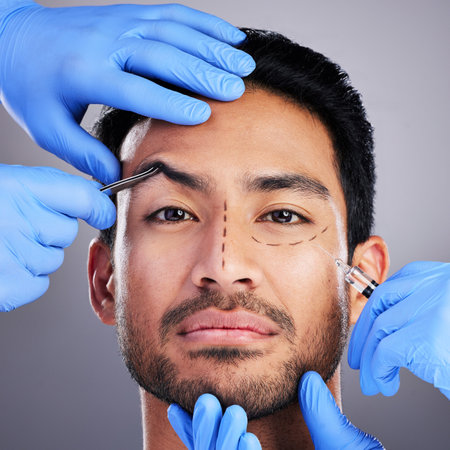
When customising injectable treatments for men in the UK, it is crucial to recognise the unique anatomical features that define the British male face. Distinct from global facial norms, British men often exhibit a set of characteristics shaped by genetics, lifestyle, and environmental factors. Typically, British male facial structure is marked by a more angular jawline, prominent brow ridges, and a generally broader chin. These traits contribute to a strong and rugged appearance that is often associated with classic British masculinity.
Additionally, compared to their European or Asian counterparts, British men may possess fairer skin tones and are more prone to certain age-related changes such as deeper forehead lines and crow’s feet due to lighter skin’s sensitivity to UV exposure. The midface region in British men tends to be less pronounced, with flatter cheekbones and a greater emphasis on lower facial width. Understanding these distinctive elements is essential for practitioners seeking to deliver natural-looking results with injectables, ensuring each treatment plan respects both cultural ideals and individual anatomical nuances.
Cultural Perspectives on Male Aesthetics in the UK
The cultural landscape of male aesthetics in the UK has undergone significant transformation over the past decade. Traditionally, British men were perceived as less engaged in overt grooming and cosmetic enhancements compared to their counterparts in other Western countries. However, societal shifts, the influence of media, and evolving perceptions of masculinity have led to a surge in acceptance and demand for aesthetic treatments among British men.
British Attitudes Towards Male Grooming
While discretion remains a valued trait, recent surveys indicate that an increasing number of men across the UK are investing in their appearance. This shift is not just confined to metropolitan hubs like London or Manchester; it is becoming evident nationwide. The modern British man seeks subtle improvements—aiming to maintain a natural, masculine look while addressing concerns such as ageing, volume loss, or asymmetry. Unlike some global trends that favour dramatic transformations, British preferences tend towards understated results that enhance rather than alter one’s features.
Trends in Cosmetic Enhancements Among British Men
| Treatment | Popularity | Key Motivation |
|---|---|---|
| Botulinum toxin (Botox) | High | Smoothing forehead lines without losing expressiveness |
| Dermal Fillers (Jawline/Chin) | Rising | Strengthening jawline while preserving masculine contours |
| Non-surgical Rhinoplasty | Moderate | Subtle refinements without downtime |
Prevailing Motivations Behind Cosmetic Choices
The main drivers behind this trend include professional competitiveness, social confidence, and the desire to age gracefully. There is also a growing awareness that tailored injectables can deliver refined outcomes with minimal recovery time, aligning with busy lifestyles. Importantly, British men generally prefer treatments that respect individuality and avoid overt feminisation—this shapes how practitioners customise injectable solutions for each client.
Summary of Cultural Insights
The evolving attitudes towards male aesthetics in the UK highlight an intersection between tradition and modernity. Today’s British man values authenticity, subtlety, and personalised approaches—making customisation crucial when administering injectables. Understanding these cultural nuances ensures practitioners can achieve results that resonate with local expectations and uphold the distinct character of British masculinity.
3. Selecting the Right Injectables for British Men
Choosing the appropriate injectable treatments for British men requires a nuanced understanding of masculine facial anatomy and the distinct aesthetic preferences prevalent in the UK. Unlike women, male patients often seek to maintain angularity, strength, and subtlety in their results. Therefore, practitioners must prioritise injectables that reinforce these masculine features rather than soften them.
When customising treatment plans, dermal fillers are frequently selected to enhance structural areas such as the jawline, chin, and cheekbones—key regions that define a traditionally British masculine appearance. For example, using hyaluronic acid-based fillers with higher viscosity can provide robust support and sharper definition without compromising natural movement. Additionally, careful placement is crucial to avoid feminising effects, ensuring that volume is added strategically to emphasise strong lines rather than rounded contours.
Botulinum toxin (commonly known as Botox) is another popular choice for British men aiming to achieve a refreshed yet authentic look. The focus here should be on softening deep-set frown lines or crow’s feet while preserving dynamic expressions associated with confidence and approachability. Over-treatment can lead to an unnatural, ‘frozen’ appearance, which is generally undesirable among UK male clientele who prefer understated enhancements.
For best results, a collaborative approach is essential. Practitioners should conduct thorough consultations that consider each individual’s ethnic background, lifestyle, and personal goals—factors that often influence treatment selection within the diverse British population. By aligning product choice and technique with both anatomical requirements and cultural expectations, clinics can deliver bespoke injectable solutions tailored specifically for British men.
4. Customisation Techniques: Enhancing Male Features
Customising injectables for British men requires a technical approach that acknowledges both anatomical distinctiveness and prevailing aesthetic preferences. British males tend to present with stronger, more angular facial bone structures compared to their female counterparts, as well as subtle variations from other ethnic populations. The objective is not to feminise but rather to respect and enhance these masculine traits through precise techniques and product selection.
Understanding the British Male Facial Anatomy
The following table outlines key anatomical features typically observed in British men, which inform customisation strategies for injectable treatments:
| Facial Feature | Typical British Male Characteristic | Injectable Approach |
|---|---|---|
| Jawline | Square, pronounced mandible | Strategic placement of filler along the mandibular angle to reinforce definition without bulkiness |
| Chin | Broader, sometimes recessed | Augmentation focused on horizontal projection to balance lower facial thirds |
| Cheekbones | Mildly prominent, less rounded than females | Subtle volumisation along the zygomatic arch rather than anterior cheek pad enhancement |
| Brow Ridge | More prominent supraorbital ridge | Avoid over-softening; maintain angularity while correcting volume loss above the brow if necessary |
Advanced Tailoring: Product Choice and Technique
Product selection should favour high-cohesivity fillers and more robust neuromodulators to withstand thicker male skin and denser underlying musculature. Needle gauge, depth of injection, and microbolus versus linear threading techniques are adapted to minimise swelling and optimise integration with native tissues. For example, jawline contouring may benefit from a cannula-based approach to reduce bruising in vascular areas.
Cultural Considerations in Aesthetic Outcomes
It’s essential to factor in British cultural attitudes towards cosmetic enhancement—men often prefer subtle improvements that maintain a ‘natural’ look, avoiding overt changes that could be perceived as artificial or uncharacteristically youthful. Consultations should include open discussions around expectations, ensuring alignment between clinical possibilities and social acceptability.
Summary Table: Key Technical Insights for British Male Injectables
| Technique Aspect | Technical Insight | Cultural Relevance |
|---|---|---|
| Filler Placement Depth & Volume | Deeper placement with conservative volume increments preserves masculine contours. | Avoids overfilled appearance; aligns with understated British style. |
| Toxin Dosage & Spread Pattern | Higher units may be required for forehead and masseter due to muscle mass. | Ensures effective results without visible stiffness or unnatural expression. |
| Treatment Mapping & Planning | Anatomical mapping tailored per patient’s unique structure using 3D imaging where available. | Delivers precision outcomes tailored to individual rather than generic approaches. |
By integrating anatomical expertise, advanced technique, and an understanding of local sensibilities, practitioners can deliver injectable treatments that enhance the natural masculinity of British men while maintaining authenticity—a cornerstone of UK aesthetic culture.
5. Safety and Best Practices for Male Clients
Ensuring the safety of British male clients undergoing injectable treatments requires a nuanced understanding of both anatomical differences and cultural preferences. For practitioners, this begins with a comprehensive consultation tailored to the individual’s facial structure, skin type, and lifestyle—factors that can vary significantly across the UK’s diverse population.
Pre-Treatment Assessment
Thorough pre-treatment assessments are essential. British men often present with thicker skin, more pronounced muscle mass, and distinct bone structures compared to female clients. Practitioners must evaluate these features to determine optimal injection points and depths, reducing risk while enhancing natural results. A detailed medical history should be taken, including any pre-existing conditions or medications that may impact healing or increase the risk of complications.
Technique Adaptation for Male Facial Anatomy
Injectables should be administered using techniques specifically adapted for male faces. Overfilling or incorrect placement can feminise features, which is often contrary to the aesthetic goals of British male clients seeking subtle enhancement. Precision and restraint are vital; selecting products with appropriate viscosity and longevity ensures results that respect masculine contours without exaggeration.
Aftercare Recommendations for British Men
Post-procedure aftercare should reflect the unique needs and lifestyles of British men. Advising clients to avoid strenuous activity, excessive alcohol consumption, or exposure to extreme temperatures is crucial in the first 24–48 hours post-treatment. Additionally, clear communication about potential side effects—such as swelling or bruising—is important, as many British men may be less familiar with aesthetic procedures than their female counterparts.
Promoting Informed Consent and Realistic Expectations
A key aspect of safety involves setting realistic expectations. Practitioners should provide clear information on likely outcomes and timelines, using culturally relevant language that resonates with British sensibilities—straightforward, transparent, and honest communication builds trust and satisfaction.
Ongoing Training and Cultural Sensitivity
The field of male aesthetics is rapidly evolving; regular training on emerging trends and best practices is essential for clinicians working in the UK market. Culturally sensitive care—respectful of British values around privacy, discretion, and understated results—ensures that every male client receives treatment aligned with both his physiology and personal aspirations.
6. Case Studies: Successful Outcomes in British Clinics
Demonstrating the impact of tailored injectables for male patients, several leading British aesthetic clinics have documented notable case studies that highlight best practices and outcomes. These real-world examples illustrate how understanding the nuances of male facial anatomy leads to superior results, reinforcing the necessity of a bespoke approach for British men.
Redefining Jawline Masculinity
At a renowned London clinic, a 38-year-old male client sought a more defined jawline without appearing overly sculpted or artificial. After an in-depth consultation considering his Celtic bone structure and natural asymmetry, practitioners used a combination of hyaluronic acid fillers with micro-cannula technique. The outcome was a stronger yet subtle jawline enhancement, maintaining his authentic masculine character while improving lower face definition—an effect highly praised by both patient and peers.
Restoring Volume While Preserving Ruggedness
Another success story comes from Manchester, where a middle-aged gentleman wanted to address midface volume loss but feared losing his traditionally rugged appearance. Using conservative placement of volumising fillers and avoiding over-smoothing of natural lines, clinicians achieved a refreshed look that respected his age and features. This case underscores the importance of restraint and anatomical respect in treating British male faces.
Subtle Refinement for Professional Confidence
An executive from Edinburgh presented with concerns about tired-looking eyes and sagging cheeks. The clinical team opted for targeted tear trough fillers combined with cheek augmentation using robust cross-linked products suited to thicker male skin. The result was an energised appearance that did not compromise his gravitas—demonstrating how injectables can support professional image enhancement without feminisation or unnatural effects.
Adapting Techniques for Ethnic Diversity
Britain’s multicultural landscape means practitioners regularly adapt techniques for diverse genetic backgrounds. In Birmingham, a South Asian male client received tailored filler placement along the chin and jaw to balance proportions while respecting his heritage-specific contours. This customisation led to harmonious results that celebrated both his masculinity and cultural identity.
Together, these cases exemplify how leading UK clinics are setting benchmarks in custom injectable treatments for men. By prioritising individual anatomy, cultural factors, and personal goals, British practitioners are delivering nuanced enhancements that resonate with the expectations of modern male patients.