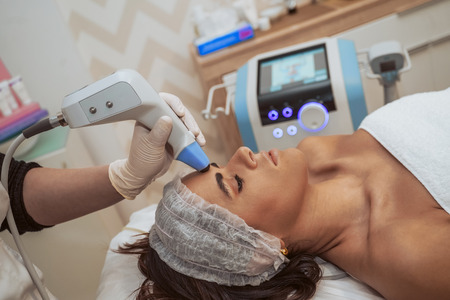
Understanding Laser Hair Removal Regulations in the UK
When considering laser hair removal, it is vital to understand the regulatory landscape that governs clinics across the United Kingdom. The Care Quality Commission (CQC) serves as the primary regulatory body for clinics offering certain cosmetic treatments involving medical devices, ensuring that facilities meet established standards of safety and care. While not all laser hair removal services fall under mandatory CQC registration, reputable clinics will often adhere to CQC guidance as a mark of quality assurance.
In addition to CQC oversight, practitioners must comply with local authority licensing requirements, which vary depending on the region. Many councils require laser treatment providers to hold a special treatments licence, verifying that both equipment and staff meet essential health and safety benchmarks. It is equally important for clinics to follow Health and Safety Executive (HSE) guidelines concerning the safe operation of laser equipment and the prevention of risks such as burns or eye injuries.
Before booking any procedure, prospective clients should enquire about practitioner qualifications, confirm adherence to CQC standards where applicable, and verify that all relevant licences are up-to-date. This proactive approach ensures you select a clinic that prioritises both your safety and compliance with stringent UK regulations.
2. Checking Clinic Accreditation and Practitioner Qualifications
When considering laser hair removal in the United Kingdom, it is essential to verify both the clinics accreditation and the qualifications of its practitioners. Accredited clinics and certified professionals not only adhere to strict safety standards but also provide a higher level of care, reducing the risk of complications.
How to Verify Clinic and Staff Certification
The UK has several reputable organisations responsible for regulating and certifying aesthetic clinics and practitioners. Recognised bodies include:
| Organisation | Role |
|---|---|
| JCCP (Joint Council for Cosmetic Practitioners) | Regulates standards for non-surgical cosmetic treatments, including laser hair removal. |
| BMLA (British Medical Laser Association) | Promotes safe use of lasers and provides guidance on best practices for practitioners. |
| CQC (Care Quality Commission) | Inspects and regulates healthcare providers to ensure patient safety and high-quality care. |
Steps to Confirm Accreditation
- Visit the official websites of JCCP, BMLA, or CQC to access their public registers.
- Search for the clinic’s name or location to confirm current registration or certification status.
- Request evidence of practitioner qualifications directly from the clinic—reputable clinics will provide documentation upon request.
The Importance of Qualified Practitioners
Selecting a clinic with properly trained staff is crucial. Qualified practitioners possess in-depth knowledge of laser technologies, skin types, and potential risks. This expertise ensures that treatments are tailored to individual needs and carried out safely. Unqualified operators may lack understanding of critical safety protocols, increasing the likelihood of adverse outcomes such as burns, pigmentation changes, or scarring.
Ultimately, investing time in verifying clinic accreditation and practitioner credentials is fundamental when choosing a safe and qualified laser hair removal provider in the UK. This proactive approach ensures you receive professional care aligned with national safety standards.
3. Assessing Clinic Hygiene and Technology Standards
When selecting a laser hair removal clinic in the United Kingdom, prioritising hygiene and technological excellence is essential for both safety and results. A reputable clinic should adhere to strict cleanliness protocols, including regular sterilisation of equipment and treatment rooms, as well as visible use of disposable gloves and protective covers. Beyond basic hygiene, the technology employed by the clinic is a key differentiator. Ensure that the clinic utilises up-to-date, CE-marked laser devices, which guarantee compliance with stringent European safety standards. These devices are regularly tested for efficacy and are suitable for a range of skin types and tones, reducing the risk of adverse reactions. Ask if the clinic offers patch testing prior to full treatment, as this demonstrates their commitment to personalised care and safety. Additionally, a transparent approach to maintenance schedules and visible cleanliness throughout communal areas further indicates a professional operation. Ultimately, a combination of rigorous hygiene practices and advanced, properly certified technology ensures your experience is both safe and effective.
4. Evaluating Consultation and Aftercare Services
When selecting a laser hair removal clinic in the United Kingdom, it is crucial to assess the quality of their consultation and aftercare services. A reputable clinic will prioritise patient safety and satisfaction from your very first interaction through to post-treatment support.
What to Expect from an Initial Consultation
A thorough initial consultation is a hallmark of a professional clinic. During this appointment, you should expect a comprehensive assessment of your medical history, skin type, and hair characteristics. This ensures that any treatment plan is tailored specifically to your needs and minimises the risk of complications. The practitioner should discuss realistic outcomes and potential risks, allowing you to make an informed decision.
Patch Testing: A Non-Negotiable Step
Patch testing is a critical part of the pre-treatment process in the UK. Legitimate clinics are obliged to perform a patch test on a small area of your skin at least 24 hours before your first full treatment session. This helps identify any adverse reactions or sensitivities to the laser technology being used, ensuring both efficacy and safety.
| Consultation Element | What You Should Receive | Why It Matters |
|---|---|---|
| Medical Assessment | Review of health history, medications, allergies | Identifies potential contraindications for laser use |
| Skin & Hair Analysis | Evaluation of skin tone and hair texture | Ensures correct laser type and settings are chosen |
| Patch Test | Treatment on small area prior to full session | Detects sensitivity or allergic reactions |
| Treatment Plan Discussion | Bespoke plan outlining number of sessions and expected results | Sets realistic expectations and personalises care |
| Aftercare Guidance | Detailed instructions for post-treatment skin care and follow-up visits | Reduces risk of side effects; supports best outcomes |
The Importance of Personalised Treatment Plans
A qualified clinic will never offer a one-size-fits-all solution. Instead, they provide bespoke treatment plans that consider factors such as skin sensitivity, previous treatments, and individual goals. This approach not only maximises results but also aligns with best practices in UK aesthetics regulation.
Robust Aftercare Support: Your Safety Net
Proper aftercare is essential for minimising downtime and preventing complications such as pigmentation changes or irritation. Expect clear written instructions on how to care for your skin after each session, as well as access to practitioners should you have concerns post-treatment. Clinics that offer proactive follow-up appointments demonstrate a commitment to client wellbeing—a key indicator of professionalism within the UKs regulated aesthetic sector.
5. Reading Reviews and Seeking Local Recommendations
When considering a laser hair removal clinic in the United Kingdom, leveraging trusted review platforms and local recommendations is crucial for making an informed decision. Begin by consulting reputable UK-specific websites such as Trustpilot, Google Reviews, and Yell.com, which provide extensive feedback from real clients. These platforms offer star ratings, detailed testimonials, and sometimes photographic evidence of results, allowing you to gauge the consistency and quality of a clinic’s service.
Utilising Social Proof Effectively
Social proof plays a significant role in the British consumer landscape. Look out for clinics that showcase verified client testimonials on their website or social media pages. Pay attention to patterns within the feedback—consistent praise for professionalism, safety standards, and aftercare can be indicative of a trustworthy provider. Conversely, repeated complaints about hygiene or poor results should raise red flags.
The Value of Word-of-Mouth
In the UK, word-of-mouth recommendations remain highly valued. Don’t hesitate to ask friends, family members, or colleagues about their personal experiences with local clinics. Community-based platforms like Nextdoor or local Facebook groups can also be insightful spaces to solicit honest opinions and suggestions from people living in your area.
Cross-Referencing Information
For a well-rounded perspective, cross-reference online reviews with offline recommendations. This dual approach helps filter out biased or unrepresentative reviews and ensures you are selecting a clinic with a genuinely strong reputation within your locality.
By methodically utilising both digital resources and community insights, you are better equipped to choose a safe and qualified laser hair removal clinic that aligns with British standards of care and professionalism.
6. Understanding Costs and Transparency in Pricing
When selecting a laser hair removal clinic in the United Kingdom, it is crucial to consider not only the safety and qualifications of the practitioners but also the transparency and fairness of their pricing structures. Transparent, upfront pricing ensures you know exactly what you are paying for, helps you avoid hidden fees, and builds trust between you and your chosen clinic.
The Importance of Clear Pricing
A reputable clinic will always provide detailed information about their pricing before any treatments commence. This includes a comprehensive breakdown of costs per session, package deals, and any additional charges that may apply. Beware of clinics that are vague or reluctant to discuss prices openly; this could indicate hidden fees or less-than-honest business practices.
What Constitutes a Reasonable Cost?
In the UK, the cost of laser hair removal can vary significantly depending on factors such as treatment area size, the number of sessions required, technology used, and clinic location. On average, expect to pay anywhere from £40 to £400 per session. Full body treatments or larger areas like legs and back will naturally cost more than smaller zones such as the upper lip or underarms. While affordability is important, be cautious of clinics offering prices far below market rates—this could suggest subpar equipment or unqualified practitioners.
Comparing Packages and Payment Options
Many British clinics offer discounts for multiple-session packages or seasonal promotions. Always compare these offers carefully and read the terms thoroughly to ensure there are no catches. Also, inquire about payment options—some reputable clinics provide interest-free instalment plans for larger treatment courses, which can make professional laser hair removal more accessible without compromising on safety or quality.
Ultimately, choosing a clinic with clear, fair pricing is an essential part of safeguarding your wellbeing and ensuring a positive experience. Prioritise transparency and value over simply finding the lowest price when investing in your skin’s health and appearance.